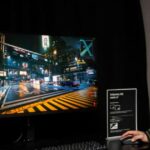


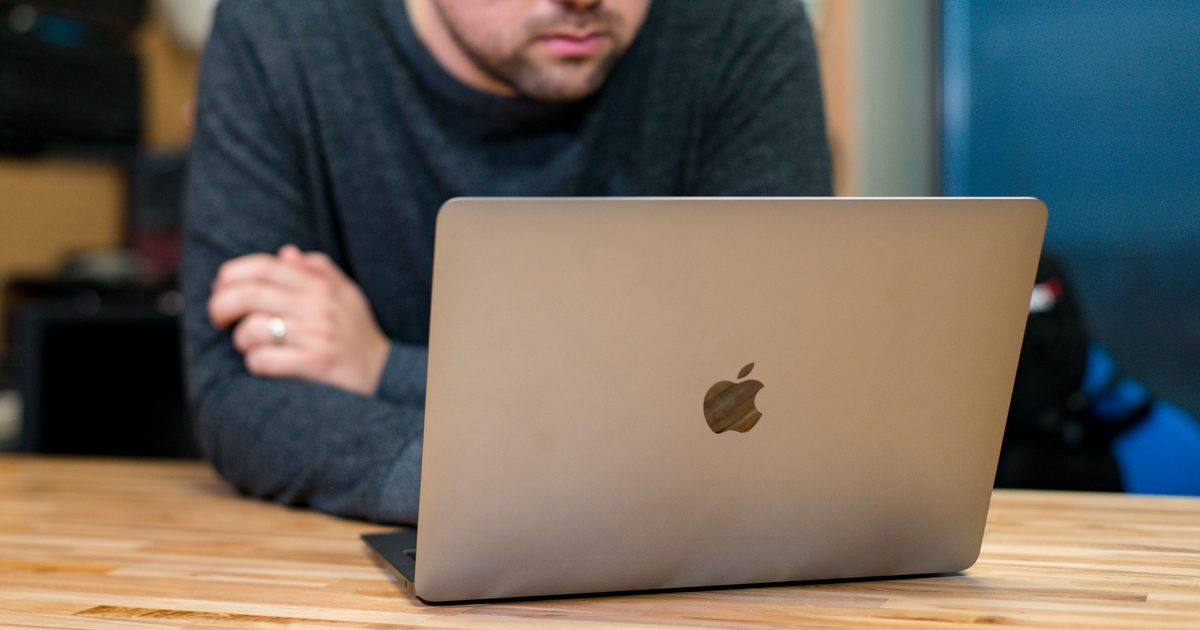

If you’ve ever used a laptop in a café, airport, or office and worried about someone glancing at your screen, Apple may be working on a solution. A new leak suggests future MacBooks could gain a built-in privacy display that hides sensitive content from anyone looking at your screen from the side. The rumor comes from well-known leaker Ice Universe, who claims Apple could adopt Samsung’s upcoming Privacy Display technology for MacBook laptops in the coming years. Reports citing research firm Omdia suggest the feature may arrive around 2029, giving Apple plenty of time to refine the tech for larger laptop displays.
Unlike today’s clip-on privacy screen protectors, this technology would be built directly into the display. The system reportedly uses a mix of screen engineering and software to limit viewing angles so that only the person sitting directly in front of the laptop can clearly see what’s on screen. In practical terms, that could mean emails, messages, passwords, and documents becoming unreadable to anyone sitting nearby.
A long-term fix for a very modern problem
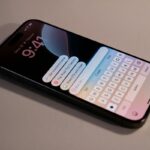
Samsung is expected to debut its Privacy Display tech first in the upcoming Galaxy S26 phones, where it can selectively hide parts of the screen, such as notifications or sensitive apps. The feature is designed specifically to prevent “shoulder surfing” in crowded environments like public transport or shared workspaces.
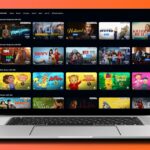
Bringing the idea to laptops makes obvious sense. Phones can be tilted or turned away easily, but laptops are far harder to shield in public spaces. Add to that, there are plenty of third-party privacy filters for MacBooks on the market, which shows there is already demand for this type of protection. That said, a built-in version would feel far more seamless, brighter, and easier to toggle on and off.
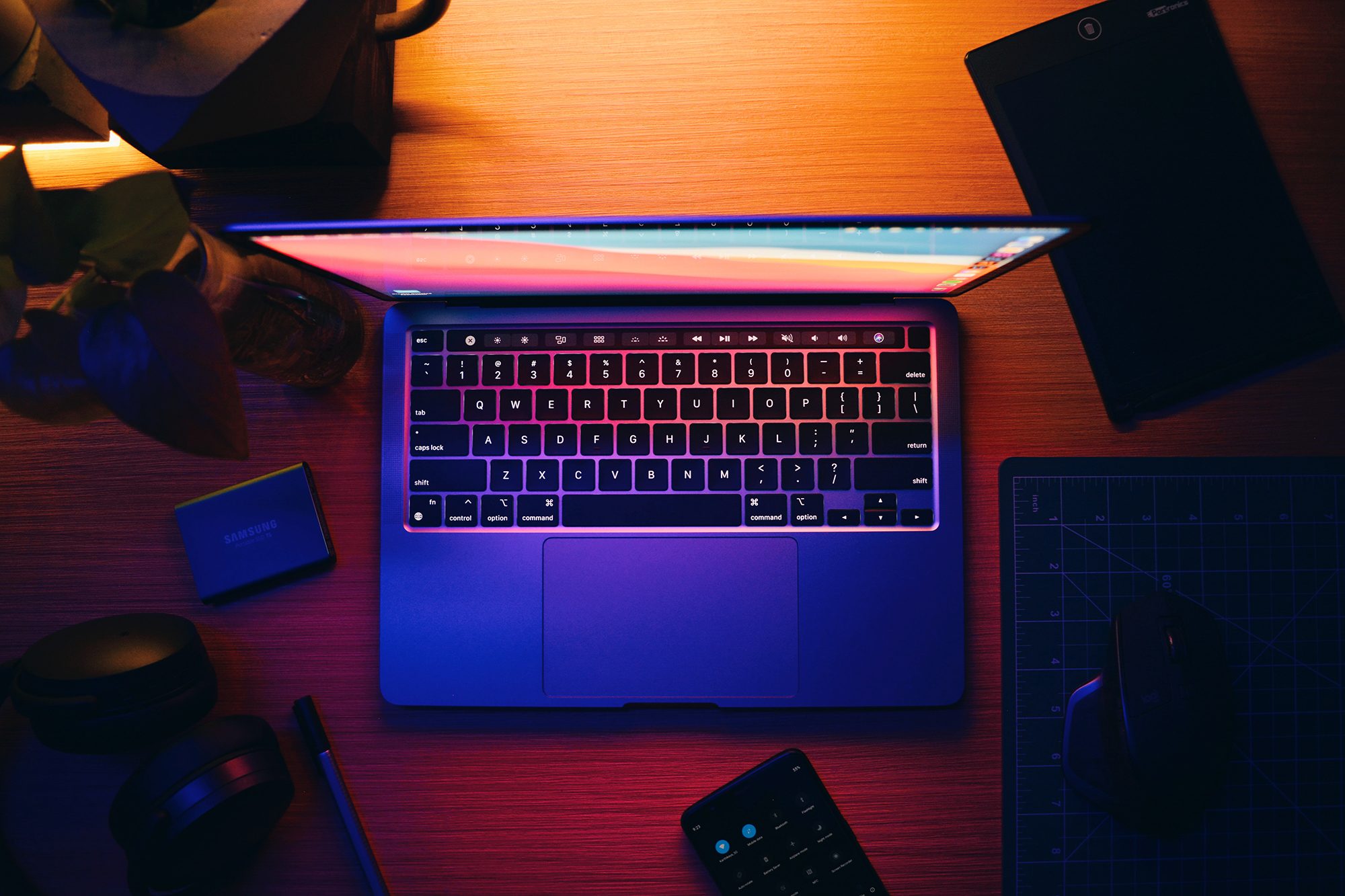
Of course, this remains a long-term rumor, and Apple has not confirmed anything. Still, the idea fits neatly into the company’s broader focus on privacy as a selling point. If this technology does arrive, it could turn everyday laptop use in public spaces into a far less stressful experience.
Read the full article here