




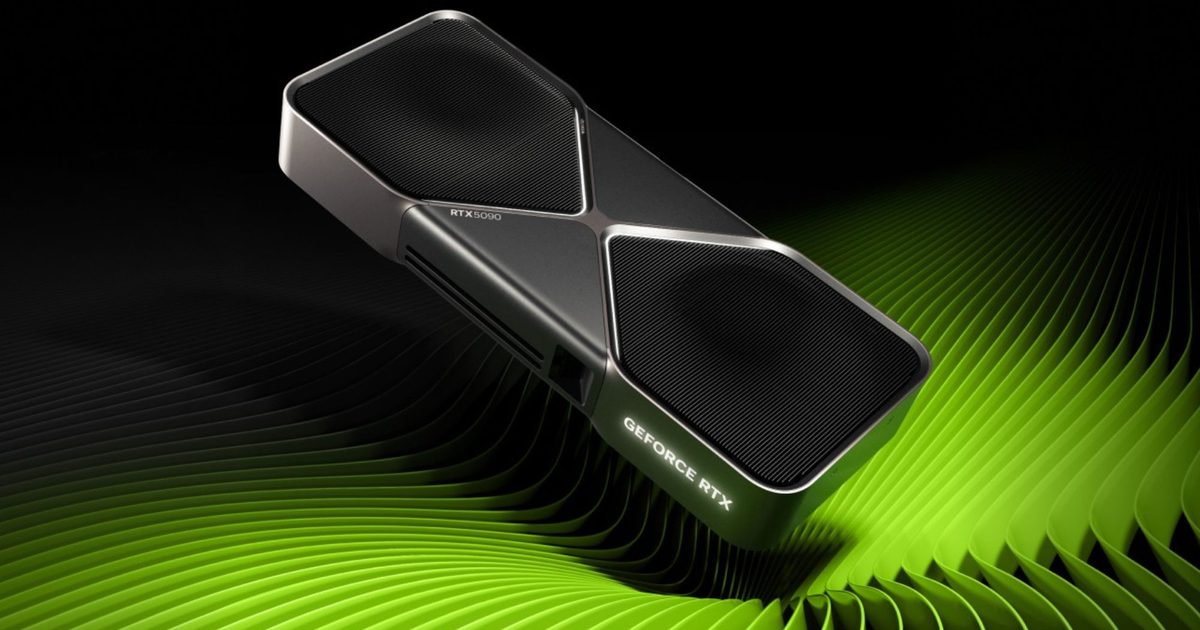

It looks like PC gamers might be in for another rough ride next year. A new report claims NVIDIA is planning to drastically dial back production of its GeForce RTX 50-series graphics cards in 2026. The problem isn’t that people aren’t buying them; it’s that the global memory market is in a crunch, and the massive explosion of artificial intelligence is eating up all the supply.
AI demand may squeeze RTX 50-series supply
The rumor mill started spinning on China’s Bobantang tech forum and was later picked up by outlets like Benchlife and OC3D. The word is that NVIDIA is getting ready to slash production capacity for its consumer RTX 50-series cards as these memory shortages get worse. We are potentially looking at a supply cut of anywhere from 30 to 40 per cent next year compared to the first half of 2025. While NVIDIA hasn’t officially said anything, Benchlife cites multiple industry insiders who say the math adds up.
The real villain here is memory. specifically GDDR7 – the super-fast VRAM used in the new RTX 50 cards – but the pressure is being felt across the board. Data center GPUs, AI accelerators, and enterprise hardware are guzzling memory at an insane rate. Suppliers are naturally prioritizing those high-profit AI products over the parts used for your gaming PC.
If this turns out to be true, the mid-range cards like the RTX 5070 Ti and RTX 5060 Ti – both expected to rock 16GB of GDDR7 – could be the first on the chopping block. That stings for gamers, because 16GB is basically the new standard for running modern AAA games smoothly. With 8GB cards already struggling, losing access to those higher-VRAM options would be a major blow.
It is worth noting that nobody is talking about cuts to NVIDIA’s RTX PRO lineup, which targets professionals in AI research and engineering. Those cards sell for a fortune, so it makes total financial sense for NVIDIA to funnel its limited GDDR7 supply there instead.

This fits a frustrating pattern we are seeing everywhere. Memory makers are pivoting hard to AI. Micron just killed its consumer Crucial memory line to focus on enterprise hardware. Samsung is likely hiking RAM prices, and Dell has already warned that commercial PC prices could jump by 30 percent. Even Valve’s rumored Steam Machine sequel might get hit by these rising costs.
For gamers, the takeaway is pretty bleak: just as the RTX 50-series should be hitting its stride, finding a card might get harder. If NVIDIA ends up canceling rumored “SUPER” refreshes because they just don’t have the chips, the mid-to-high-end market is going to feel very empty. Unless AI cools down or memory factories miraculously catch up, 2026 is looking like a year of high prices and scarce options for anyone trying to build a PC.
Read the full article here