



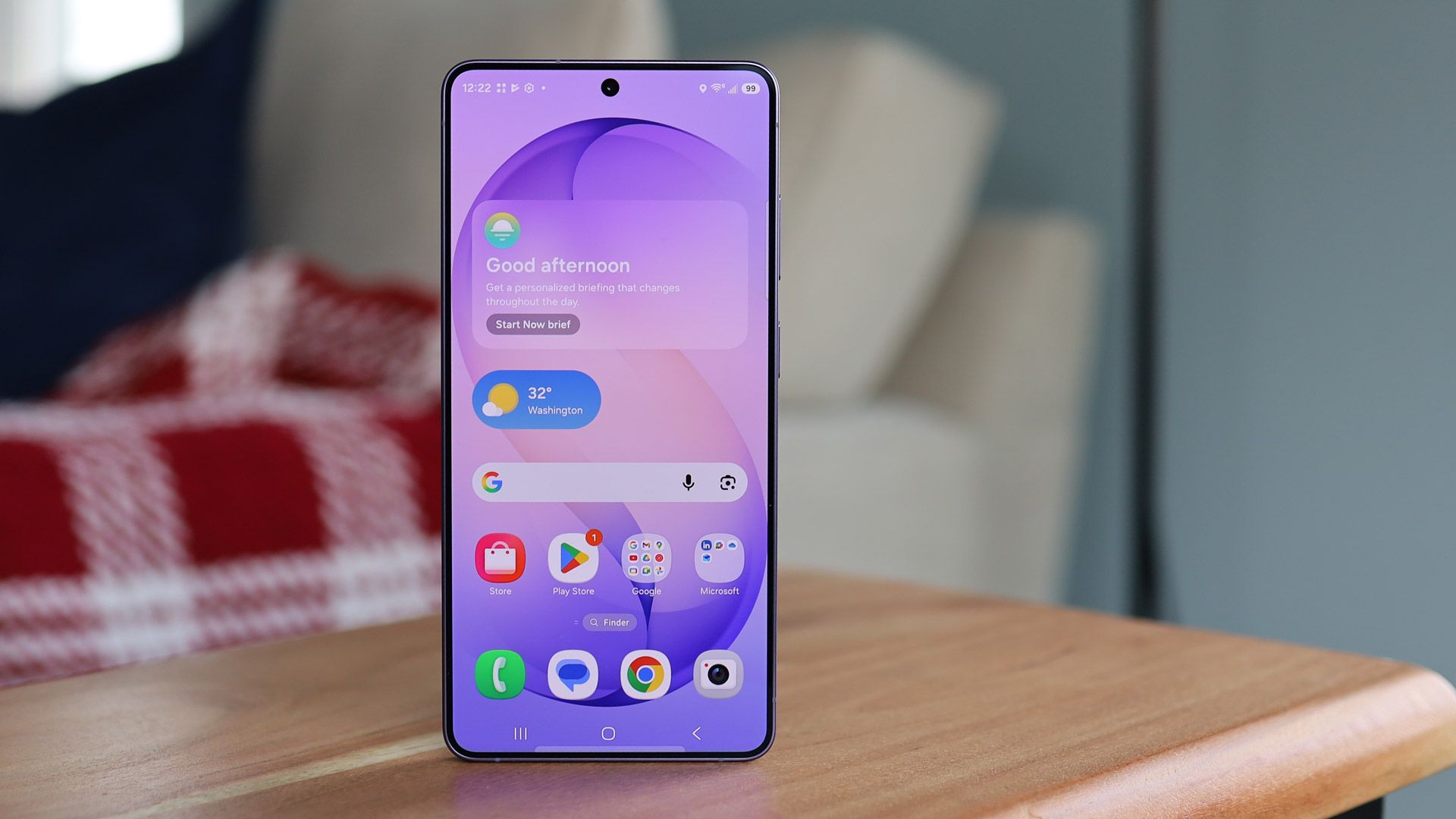

- Some press were seemingly provided the wrong Galaxy S26 Ultra specs
- The phone’s screen has 8-bit color depth, not 10-bit
- Samsung has AI mania, but buyers want top-end hardware more
The Samsung Galaxy S26 Ultra isn’t even out yet, and it’s found itself mired in a controversy that probably won’t make sense for a lot of people, but has caused a fair amount of anger and a lot more confusion.
So what’s happened? Well, the Galaxy S26 Ultra has a 6.9-inch, 3120 x 1440, Dynamic AMOLED 2X display, and it looks great, but it only supports 8-bit color. Some media initially reported that the display supported 10-bit color, seemingly off the back of information provided at briefing sessions, leading it to be widely reported before the confusion became apparent.
It initially wasn’t clear whether this was erroneous information provided by Samsung, or a simple misunderstanding on the part of press. But a Samsung spokesperson has now cleared this up, telling us: “Galaxy S26 series uses an 8-bit display panel. It features the customized chipset for Galaxy, offering up to 4x image processing power for improved viewing. In a recent briefing, “10-bit” referred to 10-bit mDNIe color processing, not the panel’s native bit depth.”
Due to the 10-bit to 8-bit ‘downgrade’, some online commentors were recently claiming that Samsung lied to buyers and the press and branded the situation “utterly embarrassing”.
There was no evidence that this was an intentional bait-and-switch by the brand, although some marketing material did emerge (on Reddit) that showed mentions of a 10-bit display. But overall, it appears to have mostly been down to some spec misunderstandings and lost-in-translation communication.
8-bit vs 10-bit: what’s the big deal?
Some Samsung fans are outraged at the change, but many others are likely scratching their heads and wondering what a ‘bit’ is.
Put simply, this number refers to how many colors the screen can show. With 8-bit showing 16 million colors and 10-bit a billion, there’s a big difference. The most palpable change is in banding, which is when a gradient of colors is displayed in distinct chunks rather than a smooth spectrum of hues, and from my experience it’s most noticeable in shots of sunsets.
This range of colors may not be important to everyone, but the kind of users paying four-figure sums for a top-end Android phone may need it. Content creators who want to shoot, edit and release their videos on a phone, for example, might need as great a range of colors supported as possible.
A few phones on the market have 10-bit color depth displays, including the OnePlus 15 and Honor Magic 8 Pro, and the Xiaomi 17 even hits 12-bit according to the company. However, the iPhone 17 family is also at 8-bit. Many users have made the point that a pricey phone should have the best specs available.
Samsung is a big name in mobile screens (Samsung Display provides panels to many other makers), and for a long time Galaxy devices used to have the best phone screens money could buy.
However, more so than its rivals, Samsung has pivoted hard to AI being the core selling point of its new devices. It’s taken to dropping the name “smart phone” for “AI phone”, for example. In an interview I recently conducted with Samsung UK’s VP of Product and Marketing, Annika Bizon, I was told “AI is our soul”.
“We believe that we are so far ahead of the market with AI,” she continued, “by the end of this year, there will be 800 million AI-enabled Galaxy devices”.
The display controversy suggests that hardware is still king to some buyers, and new AI tools aren’t as important. With the rising cost of tech, people want high-end features, especially if they’re paying for an ‘Ultra’ device. And with its 8-bit display, Samsung fans are arguing that there’s not enough bang for the buck, with the whole 10-bit confusion only serving to underline what buyers could have had.
At least we’ve got an easy item for the Samsung Galaxy S27 wish-list: a 10-bit screen… or at least some clearer communication on the phone’s specs.
Follow TechRadar on Google News and add us as a preferred source to get our expert news, reviews, and opinion in your feeds. Make sure to click the Follow button!
And of course, you can also follow TechRadar on YouTube and TikTok for news, reviews, unboxings in video form, and get regular updates from us on WhatsApp too.
Read the full article here