





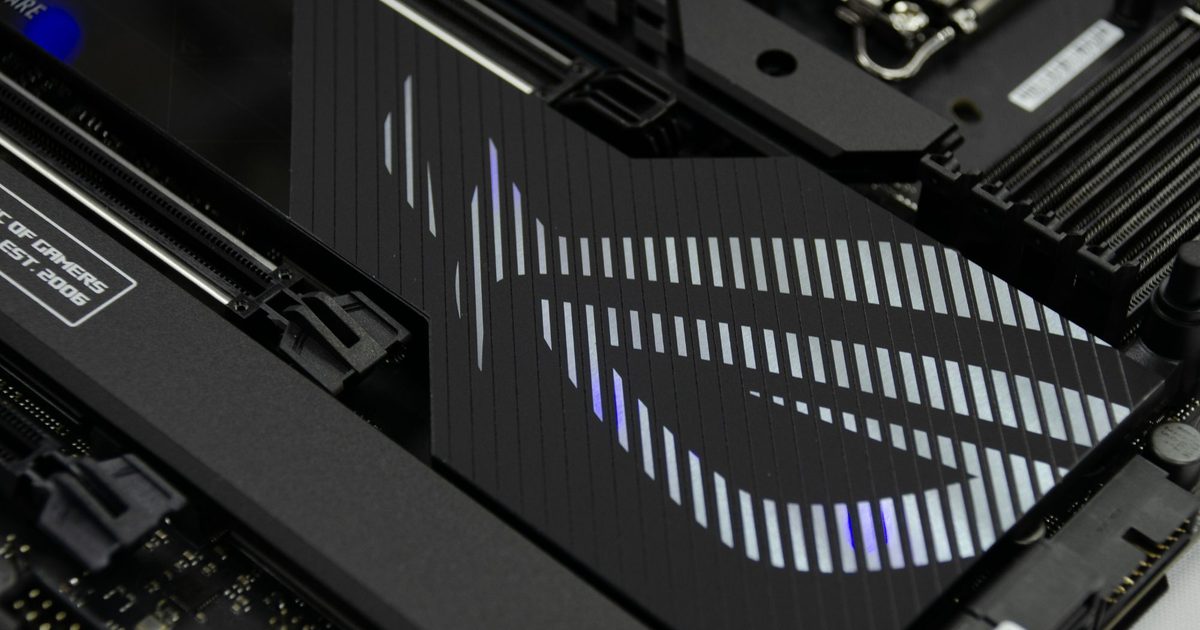

Asus might be looking into some pretty extreme measures to deal with the global memory shortage that’s currently making laptops more expensive. While the company has officially denied any plans to start its own RAM production line, the rumor mill is spinning with talk that the Taiwanese giant could still consider manufacturing its own DRAM as early as 2026. The goal? To finally stop being at the mercy of the big three memory suppliers.
The root of the problem is a massive shift in how the world’s biggest memory makers – Samsung, Micron, and SK Hynix – are spending their time. They are obsessed with high-profit AI data centers right now, which means they are making fewer DDR4 and DDR5 sticks for the PCs we actually buy. Because supply is low and demand is still there, prices have gone through the roof.
For a company like Asus, this is a nightmare
Along with brands like Dell and Framework, Asus is already getting ready to hike laptop prices just to cover these extra costs. The problem is that since memory suppliers are prioritizing their massive enterprise clients, even a huge brand like Asus doesn’t have much leverage to negotiate a better deal.
According to a report from the Persian IT outlet Sakhtafzarmag, cited by Wccftech, Asus might be weighing the idea of opening its own DRAM factories in 2026. If this actually happens, it would be a huge change. Usually, Asus designs the hardware and puts it together, but they’ve always relied on outsiders for the “brain” parts like memory.
The stakes are definitely high
Asus has its hands in everything – from high-end ROG gaming laptops to graphics cards and motherboards. All of these products need RAM or VRAM, and if costs keep climbing.
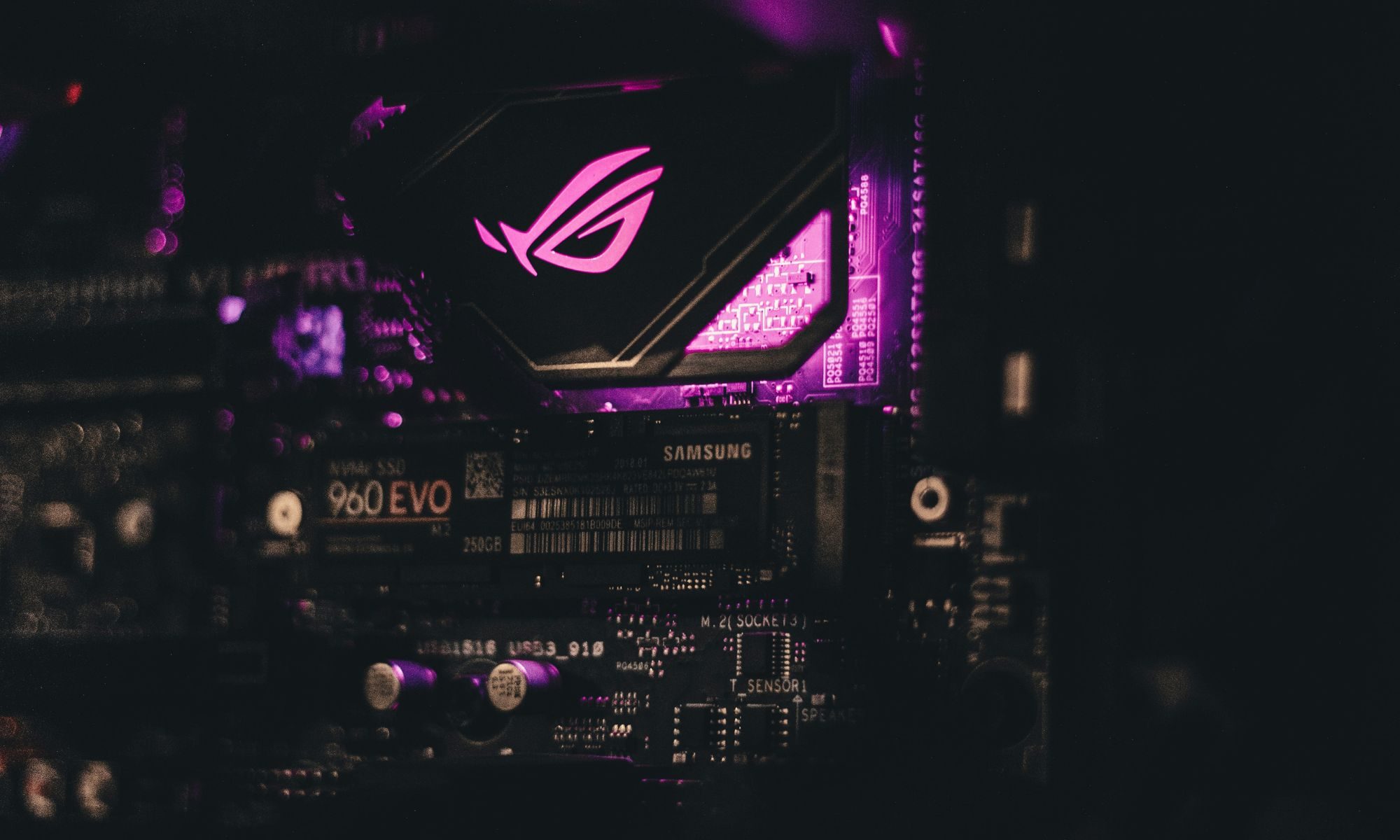
Of course, there is a lot of skepticism about this. Making DRAM is incredibly expensive, technically difficult, and the current leaders have a decades-long head start. Even if Asus does build a factory, they might still have to buy the basic modules from their competitors, which wouldn’t really help lower prices in the short term.
Another option could be looking for new partners. A Chinese firm called CMXT recently surprised everyone by showing off its own LPDDR5X and DDR5 products, which could offer some competition to the big giants. However, they are facing their own battles with limited capacity and U.S. trade restrictions.
For anyone looking to buy a new laptop, the news isn’t great. Higher prices seem like a sure thing for now, and SK Hynix has even warned that this memory crunch could last until 2028. Whether Asus builds its own chips or just keeps passing the cost on to us, the next two years are going to be a wild ride for the PC market.
Read the full article here