




The refurbished railway station in London I entered last week had none of the usual signs of being a tattoo studio. The walls were devoid of any art, and there were no reclining chairs or massage tables in the room. The only tattoo gun on the premises sat in a display case instead of buzzing in someone’s gloved hand. I felt like I was getting inked in a half-assembled biolab with some interesting benefits.
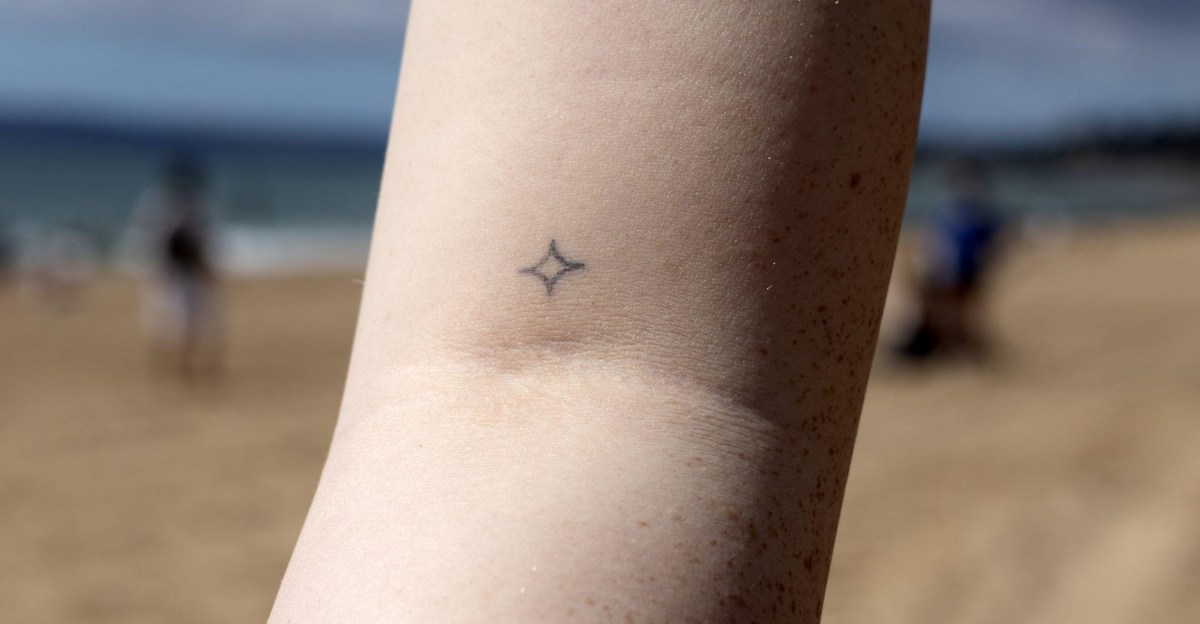
I’m not trying to put on a show of bravado when I say my latest tattoo didn’t hurt. Getting the small sparkle lineart permanently marked on my skin was a genuinely painless experience. It was over in seconds, and didn’t involve any grisly needles — at least, not in the traditional sense.
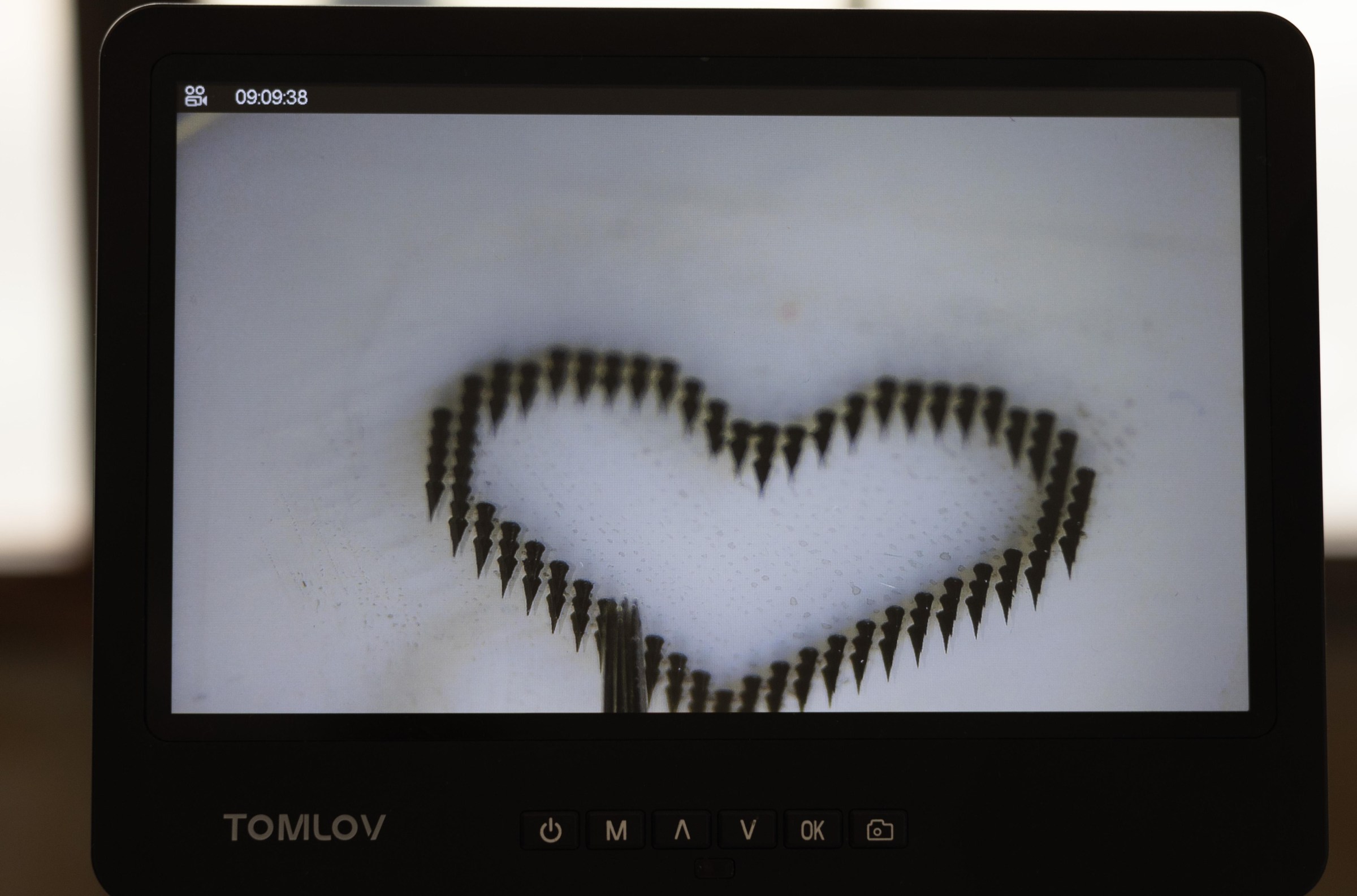
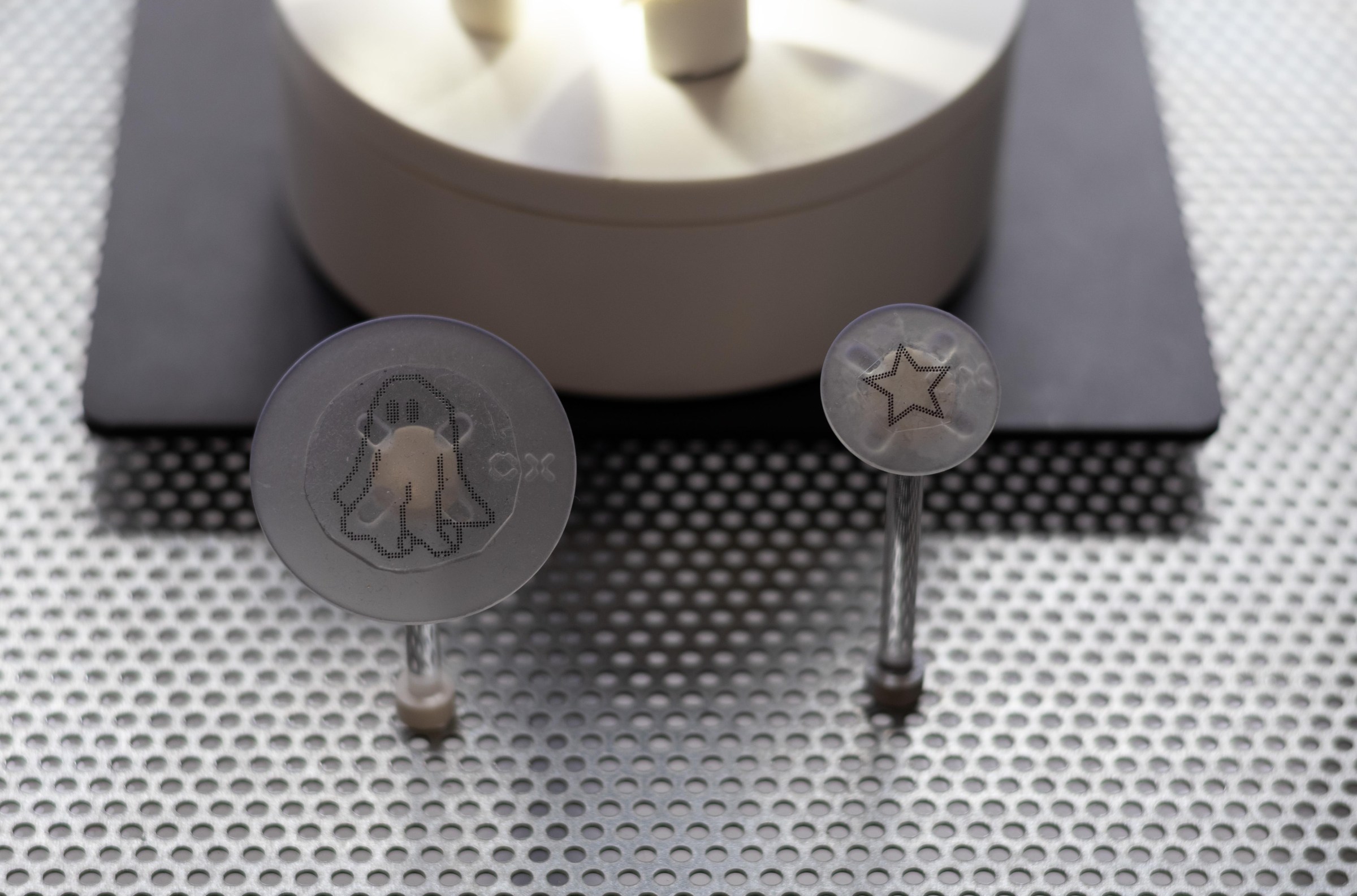
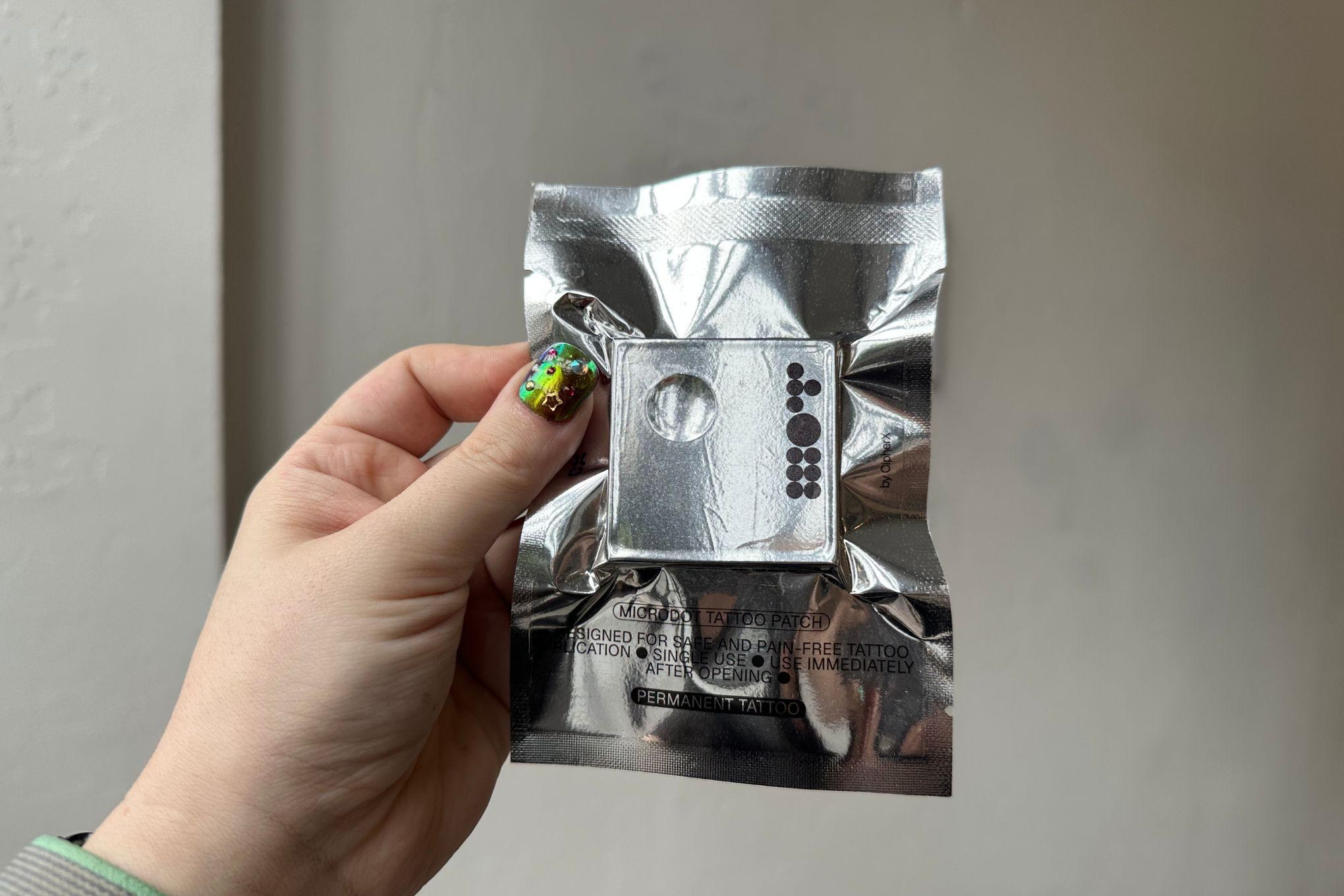
It was applied by CipherX, a London-based biotech company that’s developed disposable “Microdot” patches that provide an alternative form of permanent tattooing. Each patch is roughly the size of a US quarter and uses microscopic, biodegradable needles to deposit pigment into the upper layers of the skin. The process is designed to be “quiet, fast, and pain-free,” all of which I found to be true, opening the door for even more people to rock some permanent ink.
Some cosmetic products already use a similar technology, and microneedle tattoo patches have been explored since at least 2022, but CipherX appears to be the first to turn that latter concept into a consumer-ready product. My Verge colleagues have previously put their bodies on the line in the name of testing technology, and I was more than happy to offer up my flesh.
The application itself was actually faster than I expected. After choosing my design — a “Bold Sparkle,” now widely associated with AI iconography — CipherX CEO Ferdinand Kohle placed an ink-coated transparent guide disc on my arm to indicate where it would be applied. He then lined up the seemingly 3D-printed applicator with the ink guidelines, pressed a button, and removed it to reveal the Microdot patch affixed to my arm, embedding 112 microneedles into my skin.
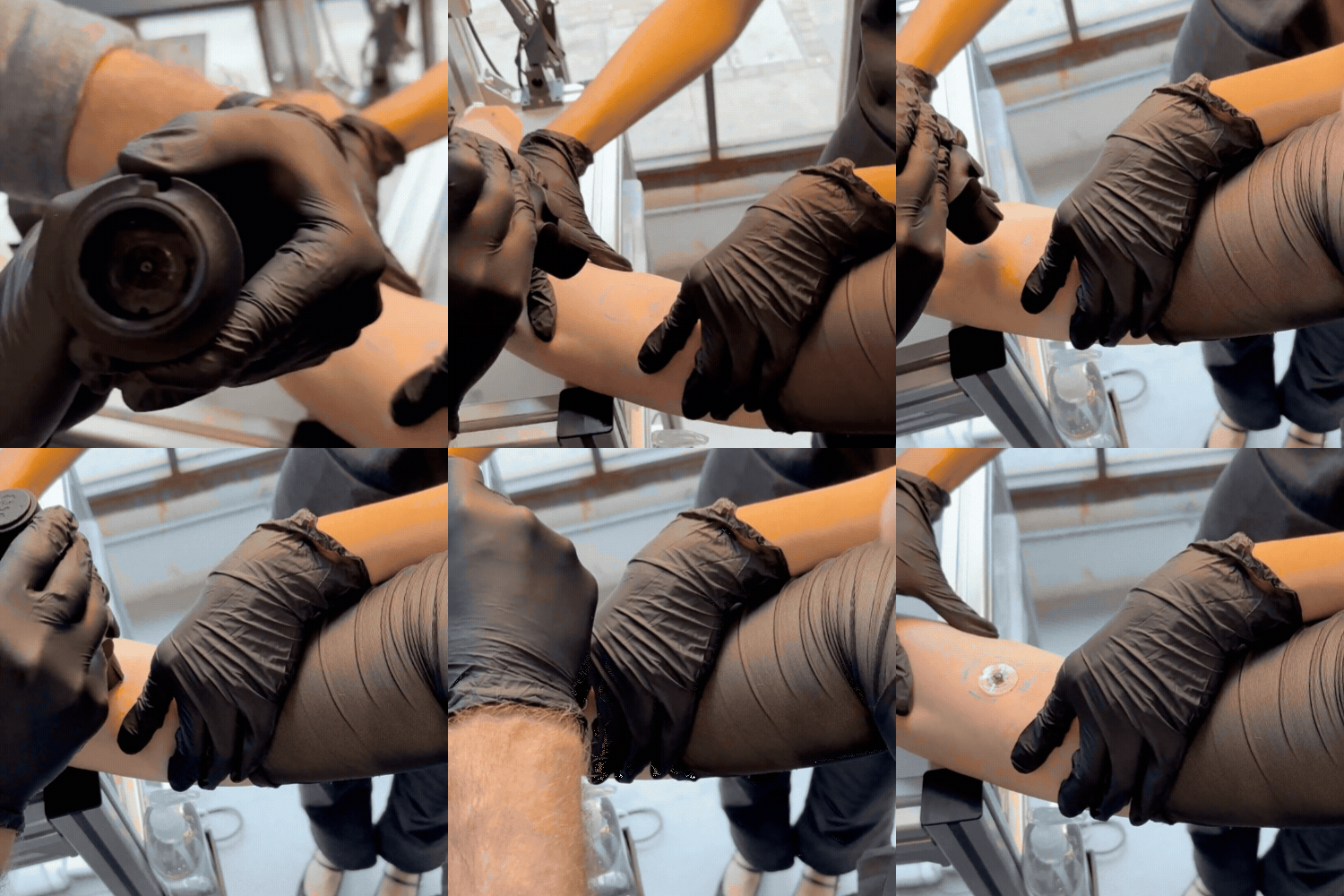
A flexible tattoo bandage was applied to prevent it from moving around, and a branded plastic sticker was placed over that — presumably for marketing as Kohle admitted that part wasn’t necessary. The final step involved waiting 15 minutes for it to process, and I was free to move around during that time.
I was warned that I might feel a slight “flicking” sensation as the applicator was pressed, but I barely noticed a thing. It felt more like someone had lightly touched my arm with their finger. I wouldn’t even describe the sensation as uncomfortable, let alone painful. It’s also worth mentioning that I have sensitive skin and bleed very easily, but I didn’t experience any bleeding or irritation from the microneedles. There was no scabbing or healing time at all, unlike my other tattoos.
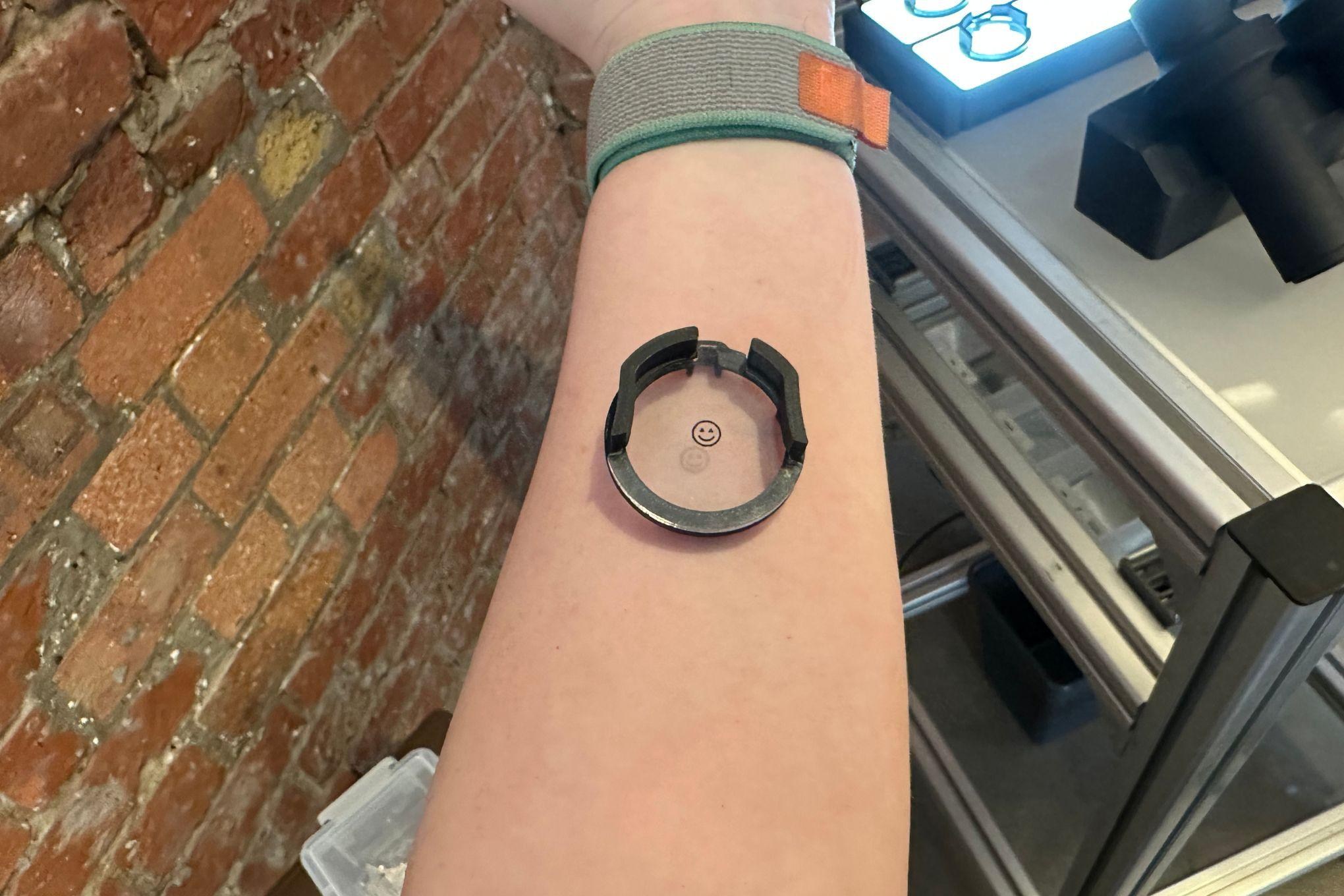
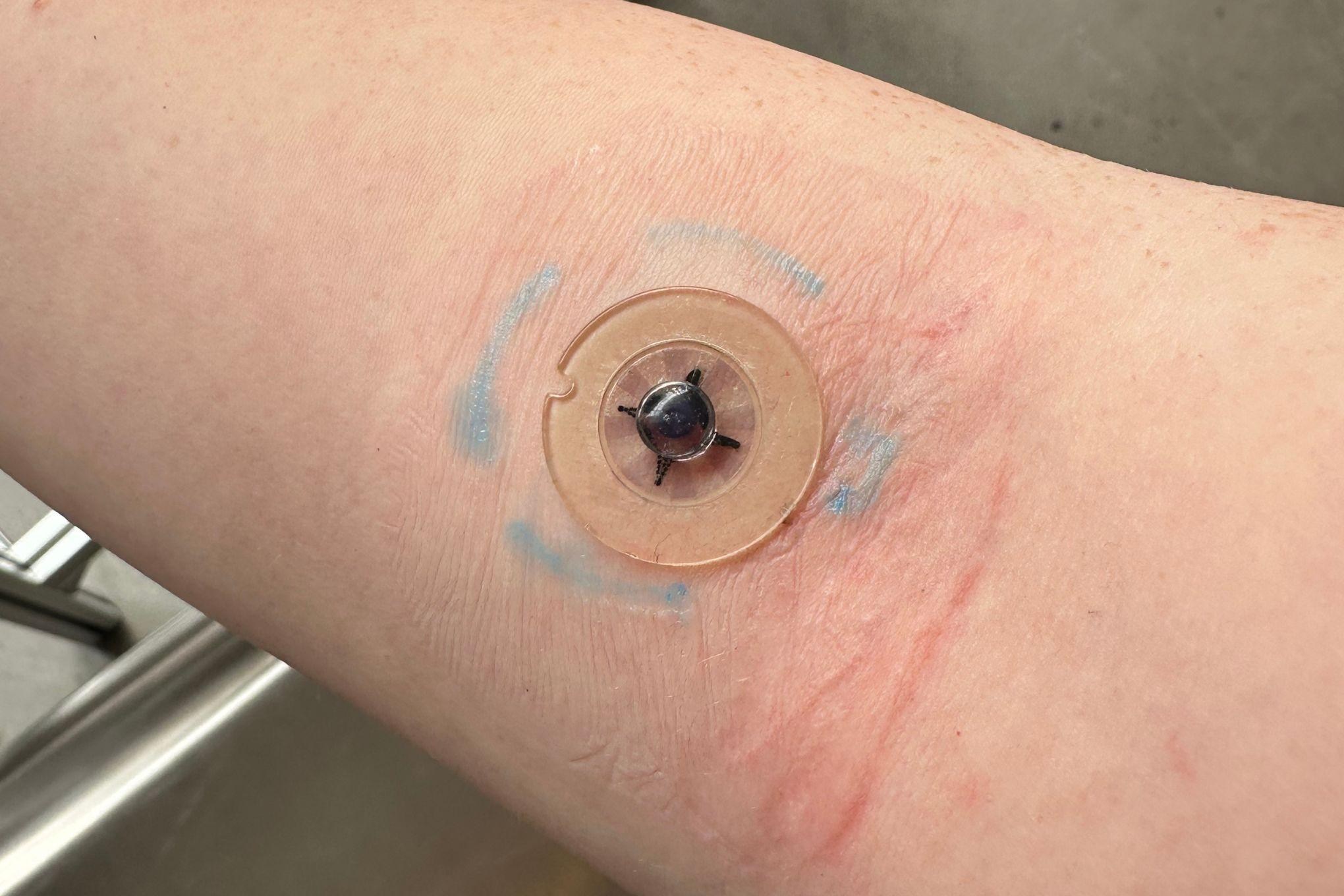
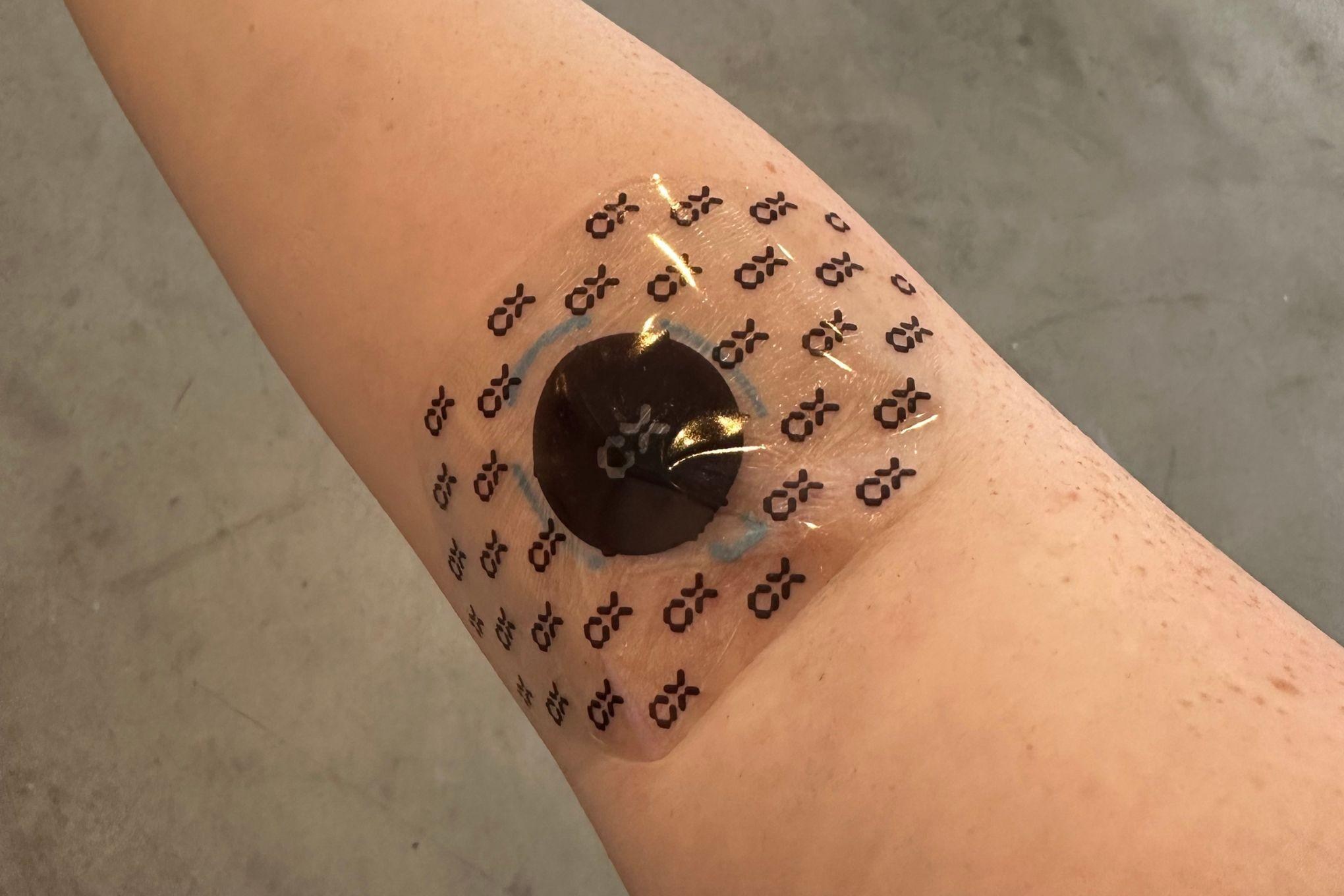
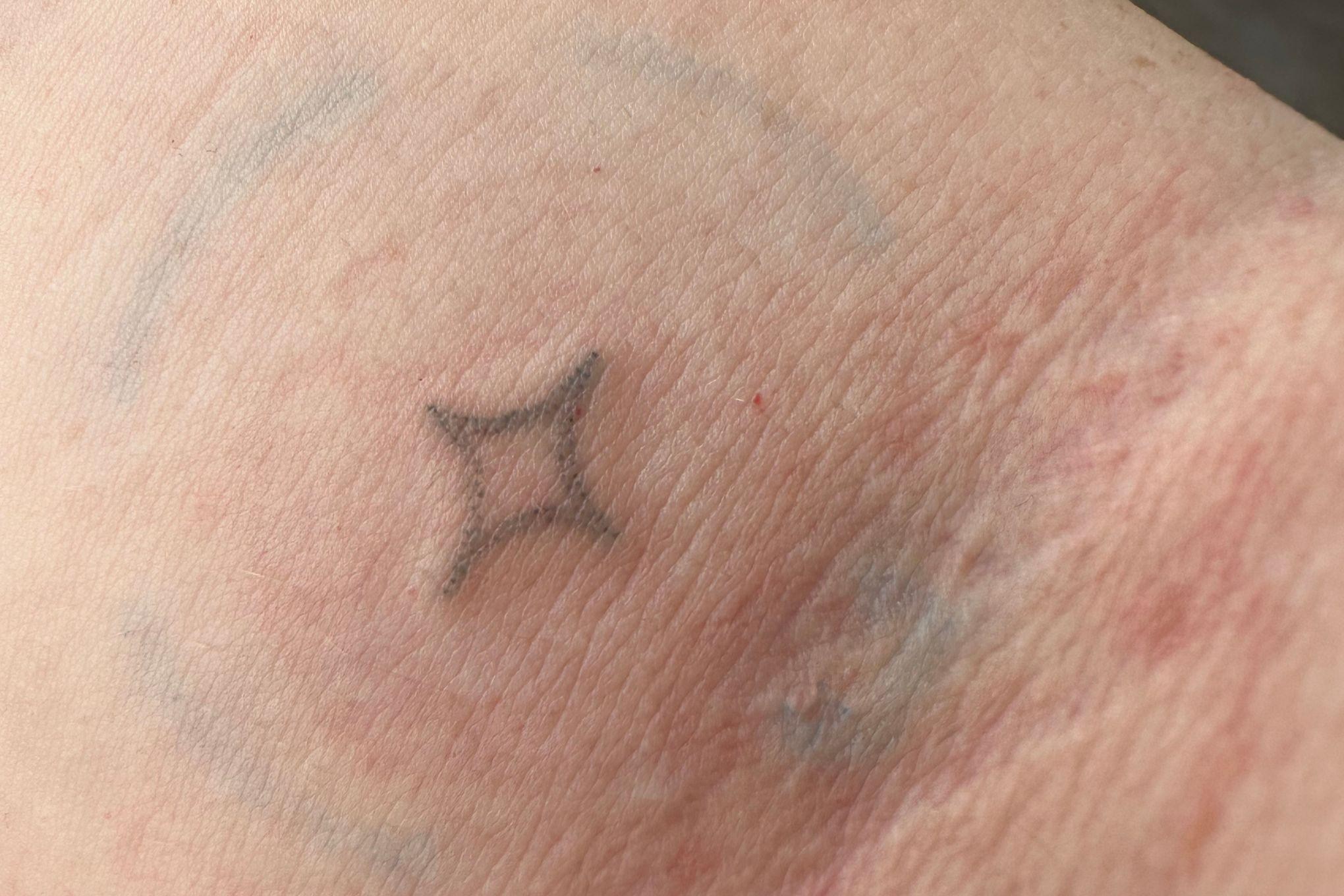
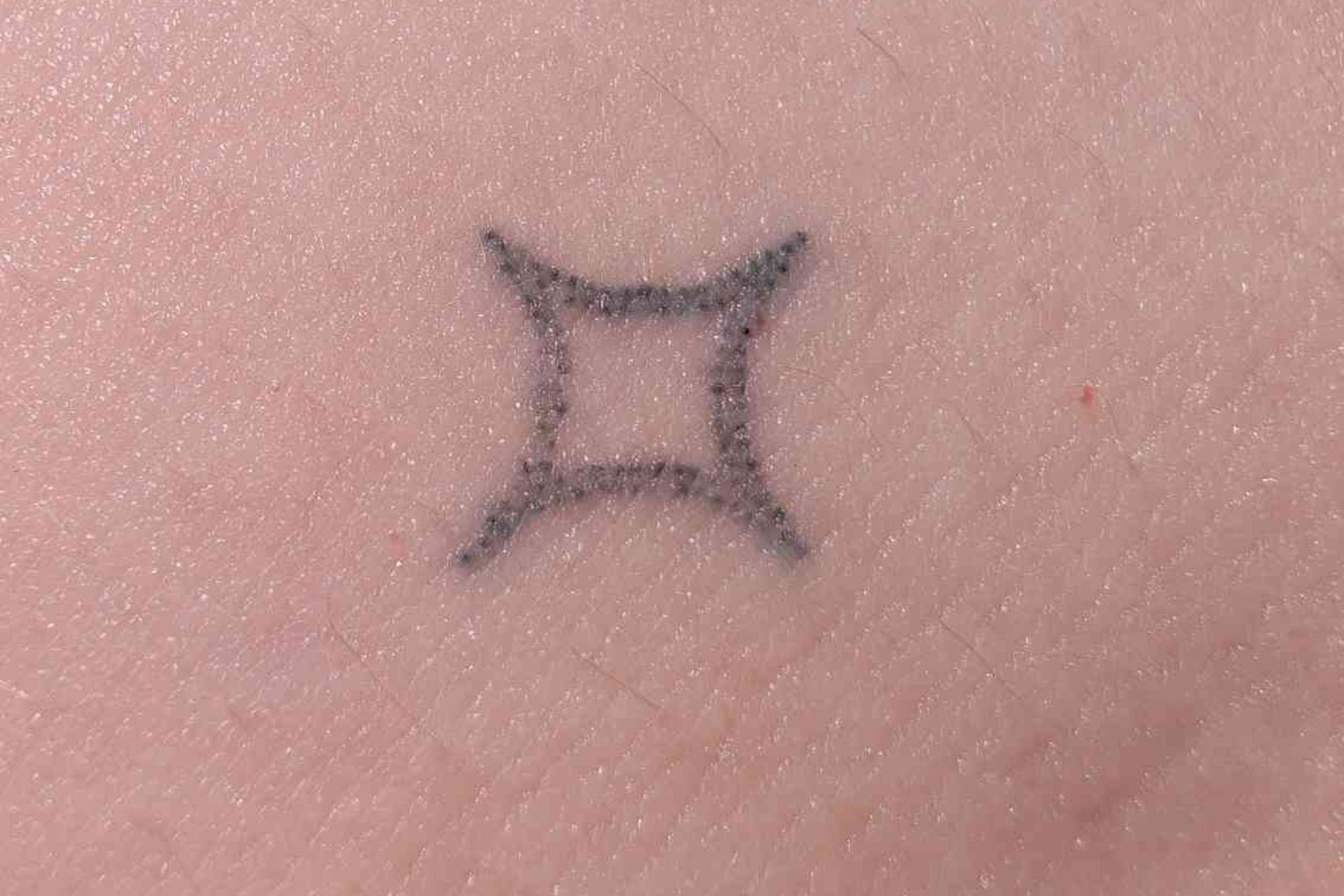
The tattoo is revealed after the patch is removed, and becomes visibly darker over the course of two days. Initially, the tattoo consisted of lots of teeny dots rather than a smooth, connected line. The ink is supposed to “bleed” together as it develops, like a regular tattoo does over the years, but that hasn’t occurred in the five days since I had it done. I now have to look very closely to see the dots, but they’re definitely still there.
The superfluous branded sticker they applied over the tattoo bandage was actually the most annoying part of the entire experience because it pinched my skin when I moved my arm. I had the tattoo applied near the inside of my elbow as that’s one of the more painful areas for traditional tattooing — I have my ankles done already (another notable pain zone) and wanted to compare.
This isn’t a viable solution for tattooing most of the more painful body areas like your ankle joint or fingers though. The applicator requires enough of a flat surface area to accommodate the patch and skin that can be lightly stretched, so bony areas aren’t ideal if you want every bit of the tattoo to come out cleanly. CipherX also isn’t applying these on people’s face, neck, hands, or groin area, but that’s more because the company isn’t comfortable doing so, and some tattoo artists reject those areas over similar personal boundaries.
1/3
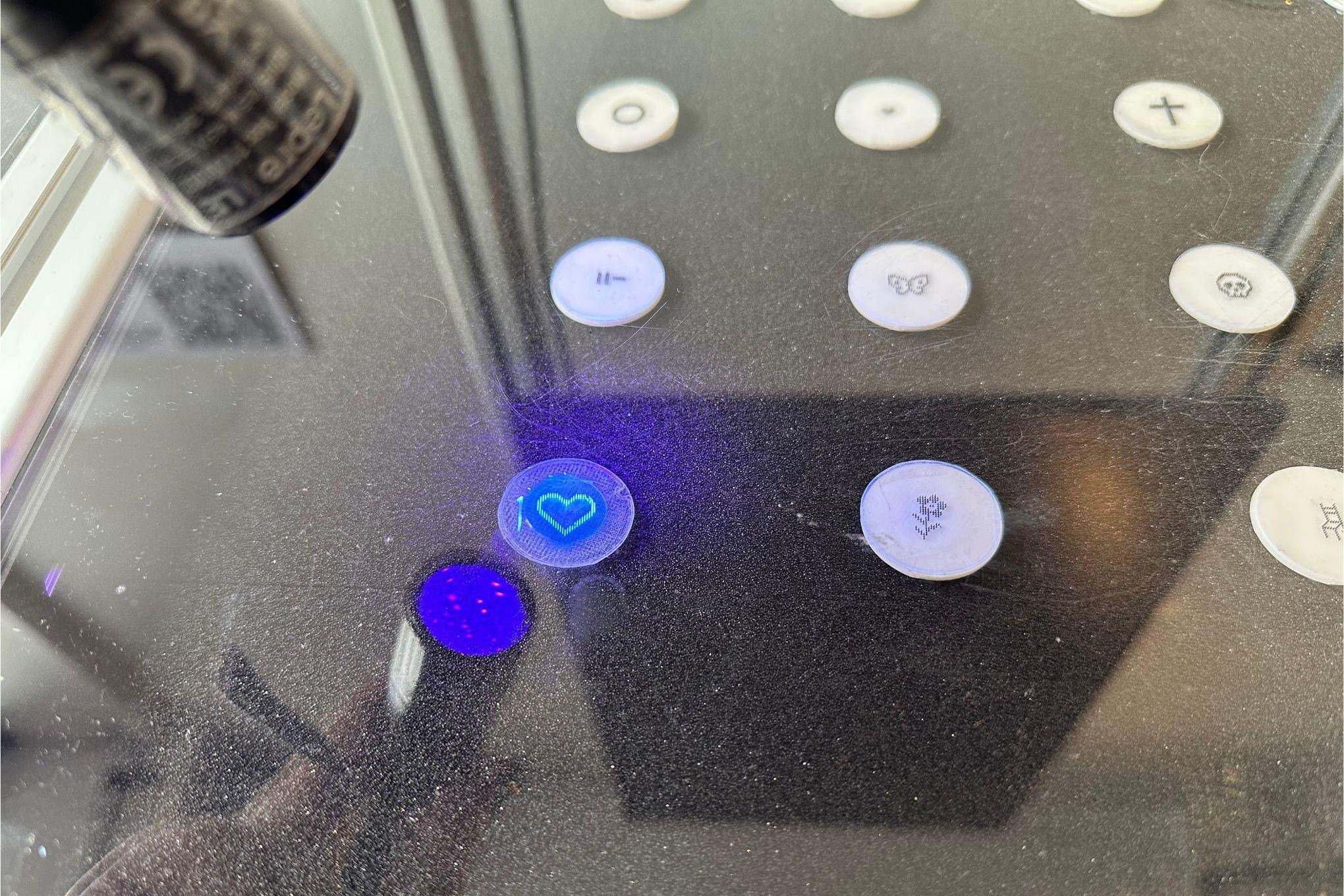
Right now, the tattoo selection only includes about 15 designs, they can’t be customized or measure larger than 15mm in diameter, and black is the only color option. CipherX is working on expanding beyond those limitations: It’s developing additional colors, including an invisible UV-reactive ink, and is working on a larger size option, both of which were previewed at the event. The company is also increasing its range of designs and plans to collaborate with established artists for future releases.
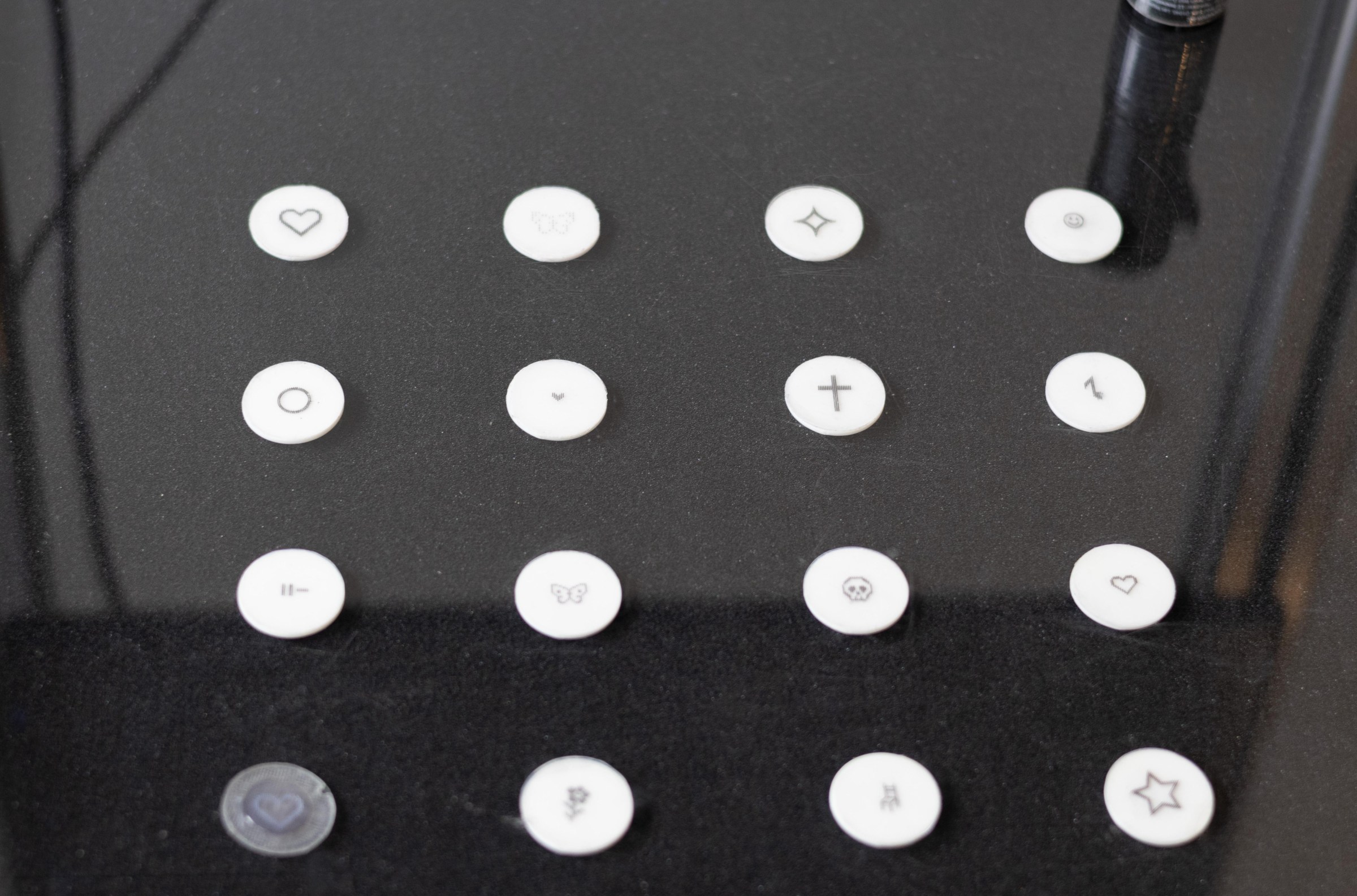
As someone who prefers larger, colorful custom ink, I can confidently say that I’m not the target demographic for Microdot tattoos, but I’m also not entirely sure who is. The tats could be a good space filler for people with existing tattoos, but those folks clearly don’t have any issues with going the more painful traditional route. It’s a good option for needlephobes, but they would have to really want a tattoo while simultaneously not caring about hosting a generic design on their skin, forever.
CipherX showed me another interesting perk in development: It’s planning to sell kits that let you apply the tattoo yourself at home. At the launch event I attended, the company showed off a mockup of a palm-sized metal tin that could be shipped to a customer’s doorstep in the future. I asked CipherX for a launch timeline, but it hasn’t responded at the time of writing. CipherX is currently only offering tattoos through approved pop-ups in London, using trained practitioners to manage age verification requirements.
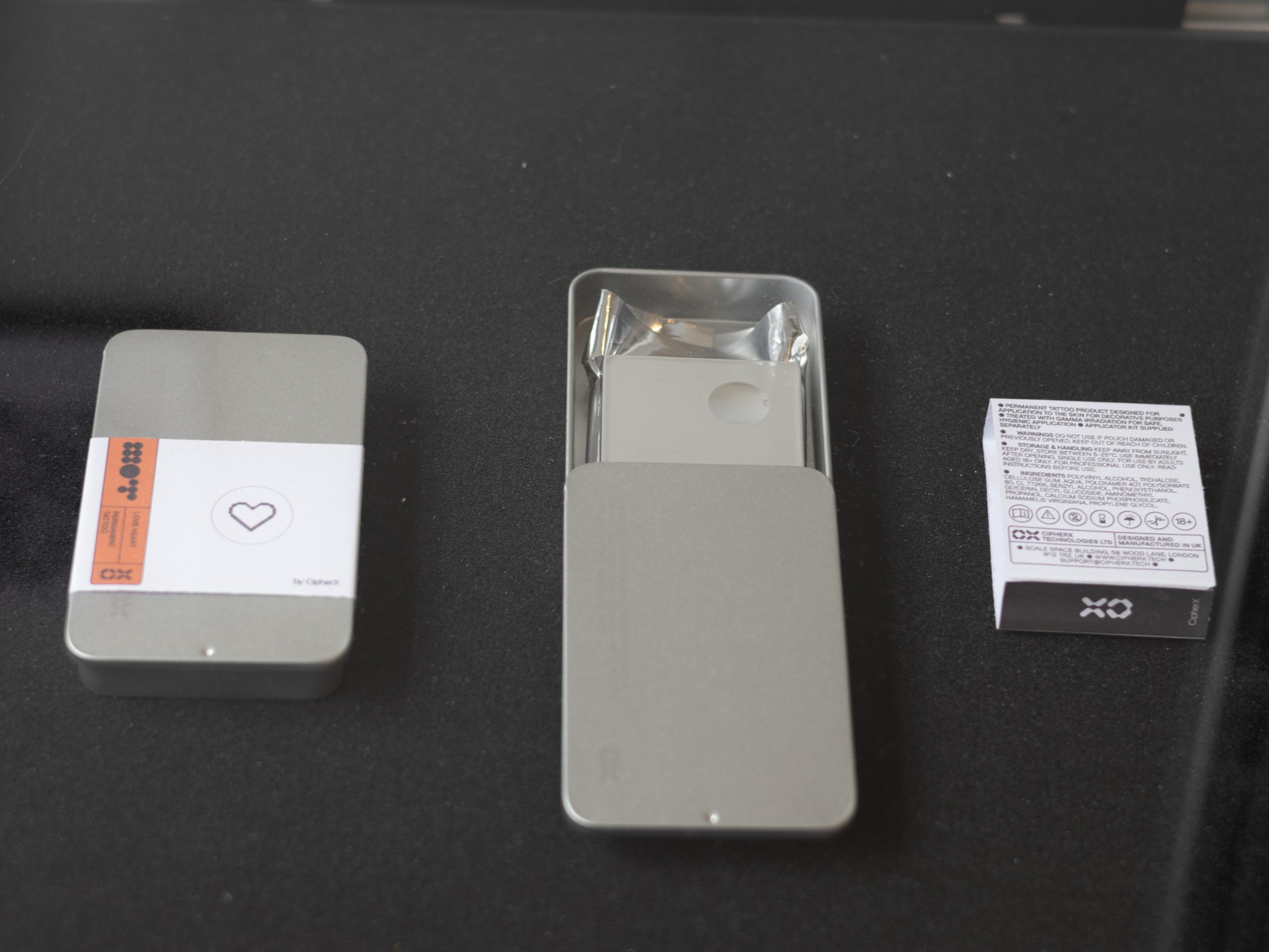
I don’t think Microdot patches will revolutionize tattooing, but it might make them more accessible for a wider audience of needle-fearing folk. At £50 (about $66), I feel it’s a fair price for a more comfortable tattooing experience, and comparable to the price of similarly sized tattoos, though this obviously varies by area and artist rates. My only remaining test will be to see how “permanent” these tattoos really are. While it did darken, it’s now settled to a shade of black that looks fairly washed out, as if I’d had it for years, not days.
I’ll provide an update in the coming months to show if the tattoo has changed. But for now, I have no ragrets.
Photography by Jess Weatherbed / The Verge
Read the full article here