





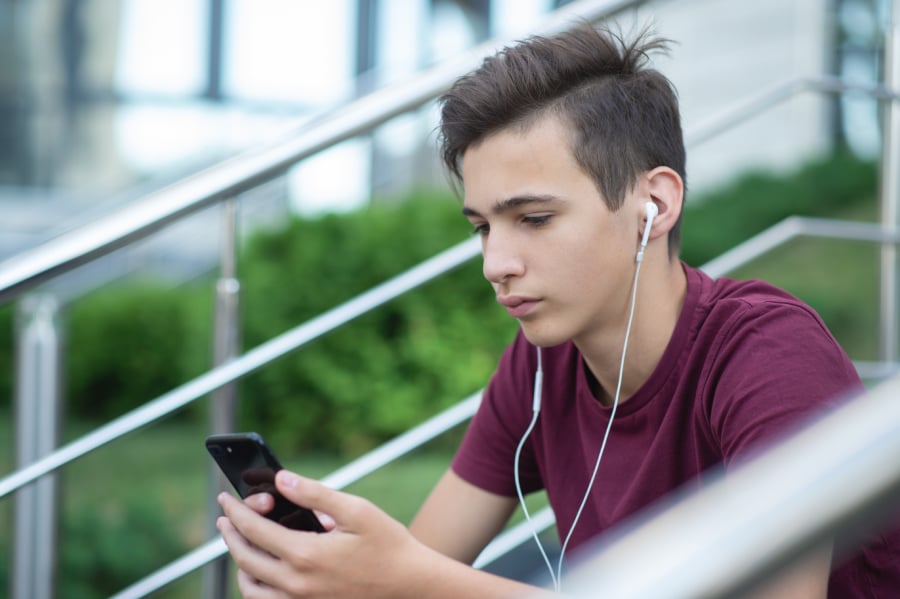

Older teenagers in the UK could soon see social media apps change once midnight arrives.
Under a government proposal expected to take effect in spring 2027, platforms would apply default overnight restrictions to accounts belonging to 16- and 17-year-olds. The controls could disable autoplay and personalized feeds between midnight and 6 a.m., although teenagers would reportedly be able to change the settings themselves.
Platforms would take on more responsibility for overnight limits, adding another layer of support to controls managed by parents at home.
Preset limits for teen accounts
Those overnight limits would focus on the features designed to keep users engaged. Videos would no longer play one after another by default. Feeds that continually serve personalized posts would also be turned off, reducing the stream of content that can keep people watching or scrolling.
However, teenagers could still change the controls, so the curfew would not amount to a full overnight ban. Government officials have not explained whether apps will become unavailable after midnight or whether selected features and alerts will stop instead.
No services have been confirmed for the national curfew. A government pilot covered Snapchat, TikTok, Instagram, Facebook, X, and Reddit, but the same list may not apply to the final rules.
Children’s Commissioner Dame Rachel de Souza welcomed tighter controls but said, “I want to know more about how the policies, such as a curfew, will be delivered.” Regulations due before Parliament by the end of 2026 should provide more detail.
UK targets features that keep teens scrolling
Ministers say the plan will protect older teenagers from app features that make social media difficult to put down. Technology Secretary Liz Kendall said young people should remain protected from “the most addictive online features” as they gain more independence.
Better sleep is one expected benefit. Government officials also link the restrictions to better concentration, schoolwork, and more time away from screens.
Support partly comes from a month-long government pilot involving 309 families. One group tested a stricter curfew from 9 p.m. to 7 a.m. Other families tried daily limits or removed selected apps completely. Teenagers and parents often blamed endless feeds, personalized recommendations, and repeated alerts for making apps difficult to leave.
Families generally said the overnight option fit their routines better than the other restrictions. Participants reported more sleep and better concentration the next day, although researchers said interviews and self-reported experiences could not prove the same outcome nationwide.
What’s hot at TechRepublic
A curfew focused on overnight use
Pilot participants often moved their social media use outside the restricted hours. Some logged on earlier, while others checked messages as soon as access returned. A smaller group switched devices.
Limits applied only during the six-hour window, and daytime use changed little. Heavy use could therefore continue without cutting into sleep.
Parents would get a default bedtime boundary without having to set every control themselves. Daytime habits and use of other devices would still depend on household rules. Evidence from the pilot suggests total screen time can remain unchanged even when overnight use falls.
Older teenagers would keep access through most of the day, so the policy would change when apps interrupt sleep without settling how much social media use is too much. Families should view the curfew as one overnight control, not a complete answer to compulsive use.
Also read: Meta pulled Muse Image from Instagram after privacy concerns turned a new AI feature into a consent fight.
Read the full article here