


Before I’ve properly started the day, several companies have already clocked in. Spotify or YouTube Premium handles the music, Google One keeps my files available, and an AI subscription is waiting in another tab to help me work faster.
Most of these charges earn their place. They save time, remove friction, and keep the day moving. I barely notice them until I think about what would stop working if one payment didn’t go through.
I bought into a brighter future, and it came with recurring billing.
Convenience became infrastructure
That cost follows me through the rest of the day. Google One holds years of photos and documents. ChatGPT Plus and Claude Pro have become part of how I research, organize ideas, and get unstuck. Grab Premium, roughly the local equivalent of Uber One or Lyft Pink, sometimes saves enough on rides that I can justify keeping it.
The monthly model makes sense for much of this. Cloud storage needs servers. AI tools consume expensive computing power. Streaming platforms pay for content and delivery. Transportation memberships can offer real savings when you use them often enough.
Still, every small convenience becomes harder to remove once the rest of your routine grows around it. Cancelling one can feel less like cutting a luxury and more like yanking out something the day has learned to lean on.
None of this happened through one huge, terrible purchase. It happened through $10 here, $15 there, and another free trial I forgot to cancel until it had already become part of my life.
Ownership now comes with conditions
The arrangement feels stranger when it reaches something I’ve already bought. My Tapo camera can record locally, but cloud history and richer notifications belong to Tapo Care. Cancel the plan and the camera remains, although the experience shrinks.
BMW’s heated-seat subscription became the most infamous version of this idea. HP Instant Ink offers another variation. Cancel the service and subscription cartridges can stop working even when they still contain ink.

Paying for storage, content, or active infrastructure is easy enough to understand. Paying repeatedly to unlock a capability already installed inside the camera, printer, or car parked in front of you feels harder to swallow.
At night, I can check the camera feed, open a streaming app, and switch between several services without thinking about any of it. The hardware may be sitting inside my home, but the experience still depends on a collection of companies recognizing my account.
God forbid I can only afford the hardware.
The future has an upkeep fee
Two people can buy the same product and end up with different versions of it. One keeps the cloud history, remote controls, or software extras. The other owns the same hardware but loses whatever the next monthly charge had been keeping active.
The entertainment side reaches the same place more gradually. YouTube Premium’s individual U.S. plan recently rose to $15.99 a month, while Apple TV+ reached $12.99 in 2025 after launching at $4.99. Netflix and HBO Max have raised prices as well. Each increase is manageable enough to absorb, especially after the service has already worked its way into a routine.
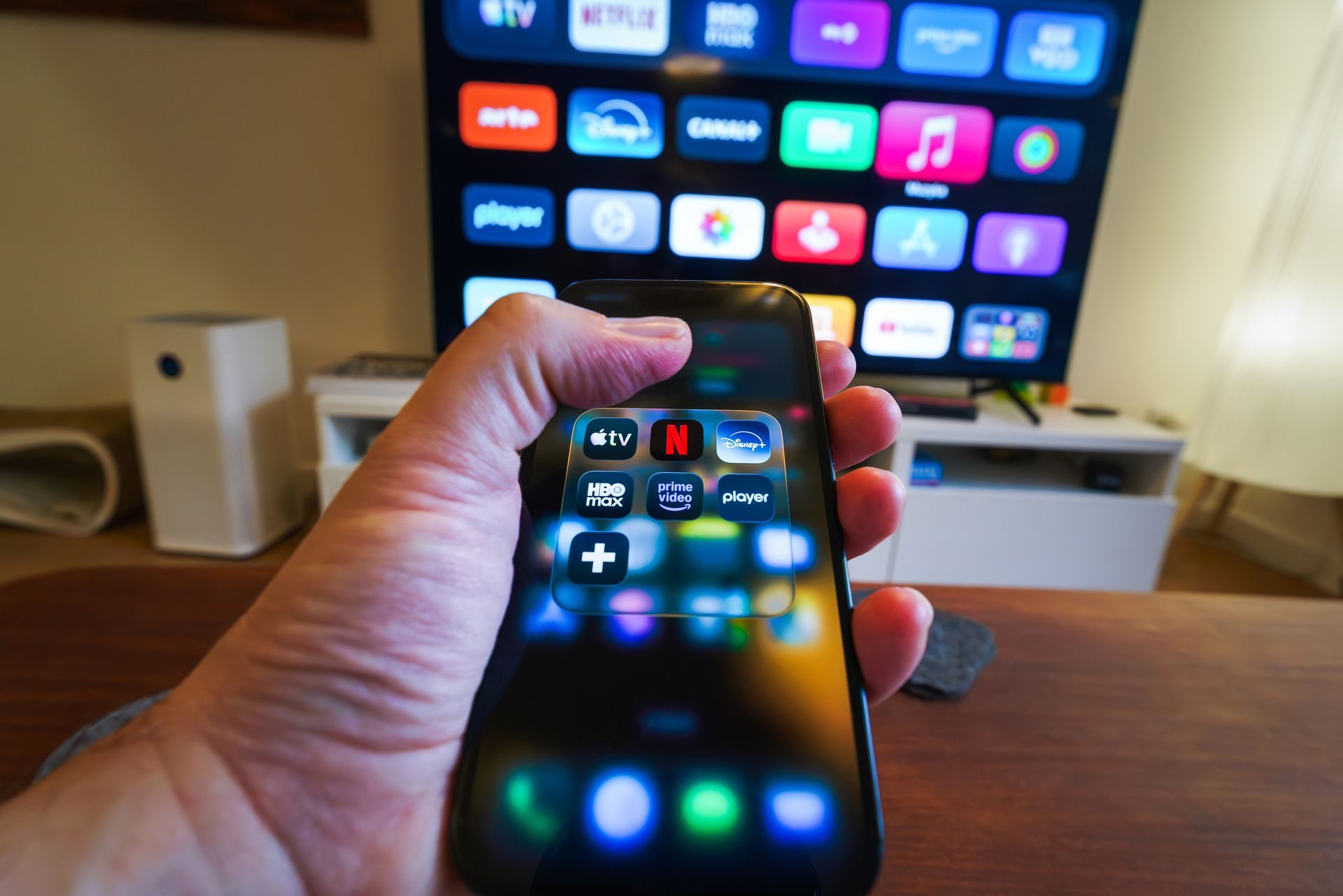
That’s probably why every new subscription advertised as “a steal” makes me suspicious. The price usually looks best before the service becomes difficult to leave. Eventually, I start wondering whether “steal” was less of a bargain and more of a warning.
Maybe we’ll eventually reach Star Trek’s post-scarcity future, where abundance makes subscriptions unnecessary.
Alas, that still belongs to science fiction. What we got instead is something macabre, genuinely concerning, genuinely dystopian, and, somehow, genuinely funny. At humanity’s eleventh hour, someone still found time to put the good features behind a paywall.
All these thoughts before my morning coffee. Should I unsubscribe?
Read the full article here