



Samsung wants to take the AI data center boom offshore.
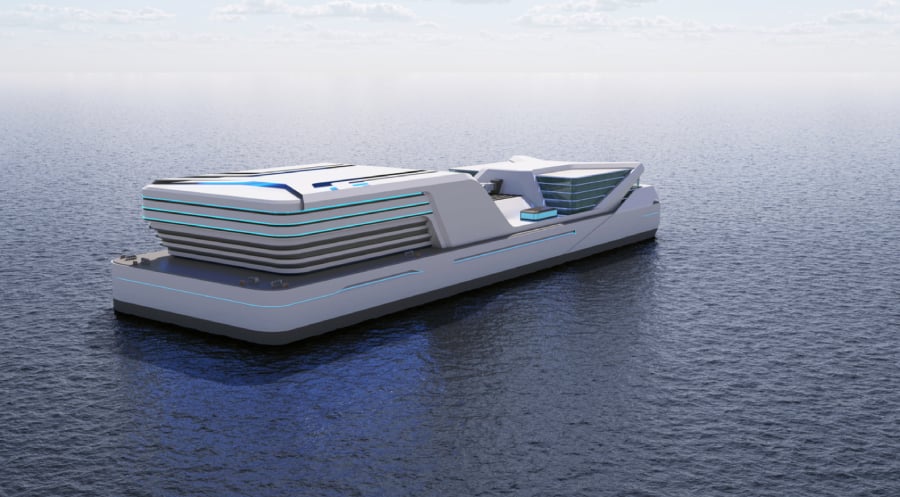
Samsung Heavy Industries, the shipbuilding arm of South Korean technology giant Samsung, plans to commercialize its floating data center (FDC) platform by the second quarter of 2028, as demand for AI computing capacity continues to put pressure on traditional data center facilities.
The company said it is pursuing multiple potential projects globally and aims to secure customer orders in time for the launch timeline.
A floating data center is essentially a server facility built on a marine structure, allowing computing infrastructure to operate on water instead of land. The approach is designed to address some of the biggest challenges facing conventional data centers, including limited land availability, power shortages, cooling demands, and lengthy construction approvals.
Samsung Heavy Industries confirmed the plans through discussions with shipping publication TradeWinds.
A shipyard-built approach to AI infrastructure
Unlike some previous floating data center concepts that relied on converting existing vessels or offshore platforms, Samsung Heavy Industries is developing a purpose-built barge designed specifically for computing operations.
The planned facility will include server halls, electrical and mechanical systems, onboard power equipment, and LNG storage capabilities. The first deployments are expected to sit close to shore and use existing land-based electricity supplies rather than operate as fully independent offshore facilities.
The company’s approach uses shipbuilding methods that could allow major components to be manufactured and assembled more efficiently than traditional data center construction. Samsung argues that floating facilities could reduce some permitting delays because they can be built using established shipyard processes.
Samsung Heavy Industries has assembled partnerships across shipping, regulation, and technology to advance the project.
AI demand is pushing data centers offshore
The push comes as AI workloads are driving unprecedented demand for computing capacity. Moody’s Corporation estimates that up to $3 trillion could be invested in AI data center infrastructure by 2030.
Traditional data centers are increasingly constrained by access to power, available land, and cooling resources. Floating facilities offer a possible alternative by placing infrastructure closer to available energy sources while using water-based cooling advantages.
Samsung Heavy Industries CEO Choi Sung-an described the opportunity as significant, saying, “Floating datacenters represent a major new opportunity for the shipbuilding and offshore industries,” according to The Register.
More about data centers
Seawater brings a new set of risks
Despite the promise, floating data centers face technical and commercial hurdles. Operators must manage risks from seawater corrosion, humidity changes, server reliability, tides, currents, and marine regulations.
The first commercial units would also serve as real-world tests for whether offshore computing can compete with conventional campuses. Regulatory approvals for maritime structures are only one part of the challenge; projects must also secure local permissions for power connections, environmental requirements, and site operations.
A new route for the AI infrastructure race
Samsung’s floating data center strategy shows how the AI infrastructure race is expanding beyond traditional real estate. Instead of only building larger land-based campuses, companies are exploring unconventional locations and construction methods to secure the power and space needed for next-generation computing.
For cloud providers and AI companies, floating data centers could offer a faster path to deployment in areas where land and electricity are scarce. For Samsung Heavy Industries, the technology also creates a new market opportunity by applying decades of shipbuilding expertise to the growing data center industry.
However, the model’s success will depend on whether the benefits of faster construction and easier site selection outweigh the added complexity of operating critical computing infrastructure at sea.
Also read: Firmus plans a 360MW Nvidia AI data center in Batam, Indonesia, with up to 170,000 GPUs expected across 2027 and 2028.
Read the full article here