


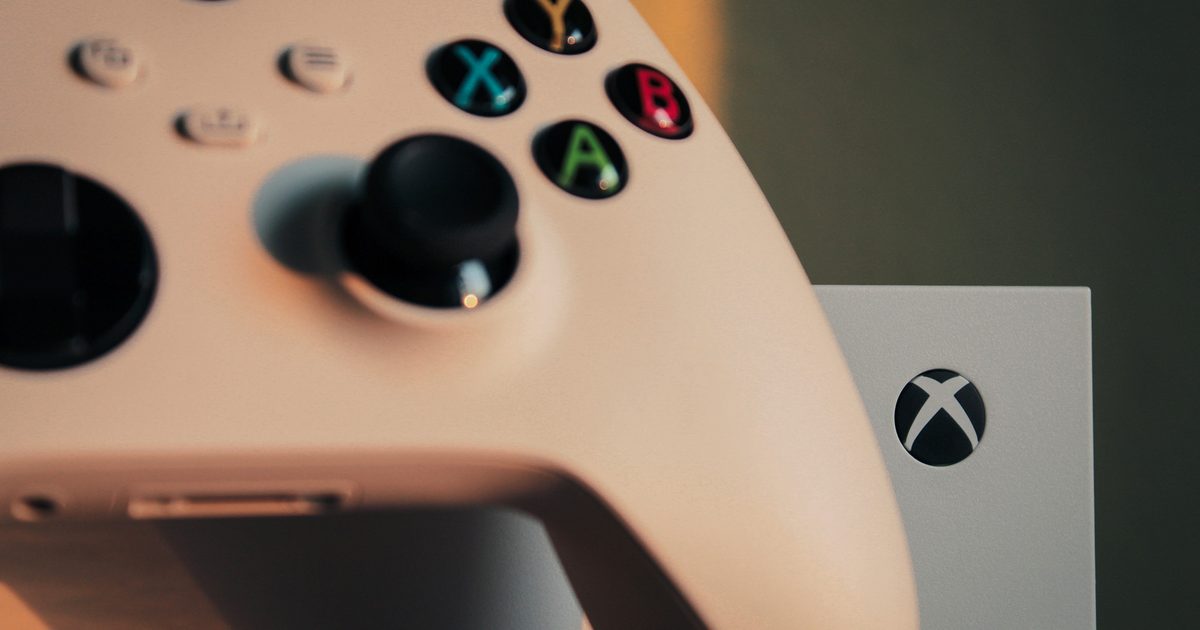

For much of the past decade, Xbox had one big idea: be the Netflix of gaming. Under Phil Spencer, Microsoft invested tens of billions of dollars into Game Pass, bought some of the industry’s biggest publishers, and pushed the idea that subscriptions, not consoles, would define gaming’s future. According to a new report from Bloomberg, that vision is now being rethought.
A new direction for Xbox
Rather than centering Xbox around subscriptions, Microsoft’s gaming business is reportedly beginning to place renewed emphasis on hardware, first-party games, and flagship franchises.
Bloomberg reports that Asha Sharma, who recently took over leadership of Xbox, is steering the business toward a more traditional strategy: one that focuses on selling consoles, building must-play exclusives, and treating Xbox hardware as a priority again instead of simply another way to access Game Pass.
The shift reportedly extends beyond consoles. Rather than pursuing ever-larger acquisitions, Microsoft’s gaming business is said to be leaning more heavily on its biggest existing brands, with Minecraft and King becoming increasingly central to Xbox’s long-term plans. Bloomberg notes that Minecraft’s steady profits had effectively been helping fund much of the wider Xbox business, a role that has only grown alongside King’s massive mobile business following the Activision Blizzard acquisition.
Gaming was never going to be Netflix
Bloomberg suggests the subscription-first strategy ultimately ran into a simple reality: people don’t consume games the way they consume movies or TV shows. Even after spending billions on Bethesda and Activision Blizzard, Game Pass never became the universal subscription service Microsoft had envisioned. Internally, executives also reportedly questioned whether putting blockbuster franchises like Call of Duty onto Game Pass on day one was the right long-term business decision, given how much revenue those games traditionally generate through full-price sales.
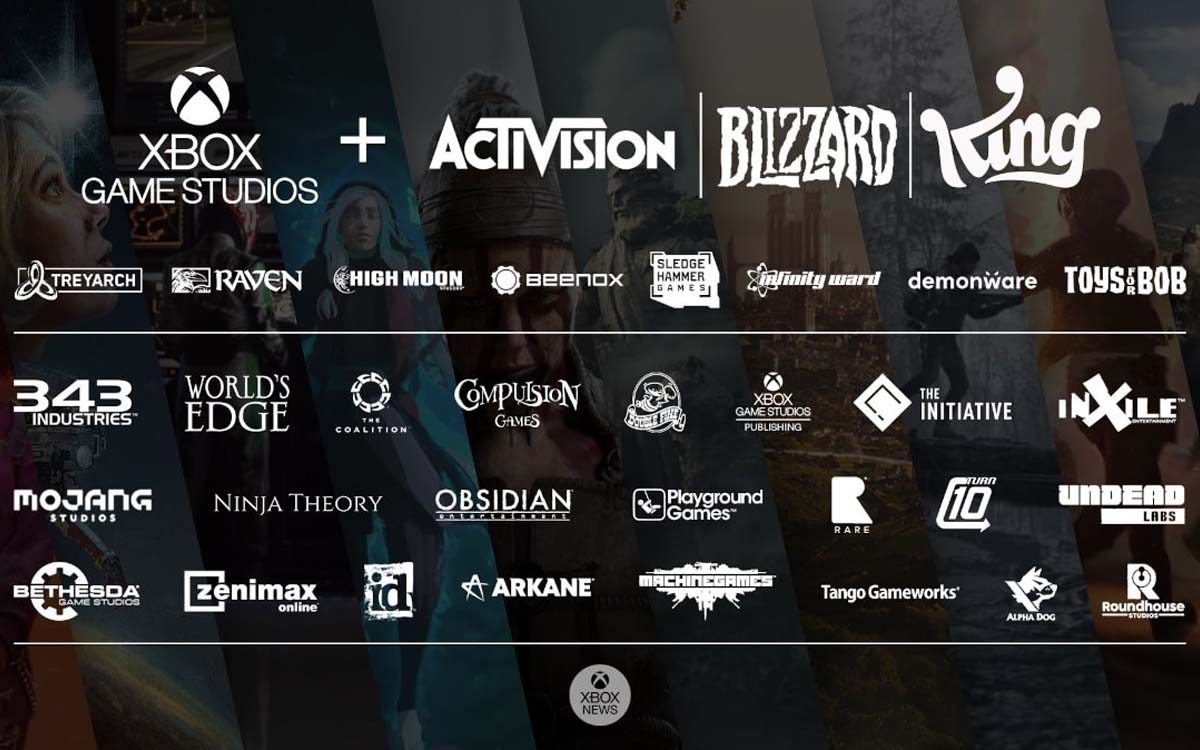
That doesn’t mean Game Pass is disappearing. It’s still expected to remain a major part of Xbox’s ecosystem. But according to Bloomberg, it may no longer be the centerpiece of Microsoft’s gaming strategy. If anything, the report suggests Xbox is coming full circle.
After years spent trying to redefine what the platform should be, the company now appears to be rediscovering something the gaming industry has known all along: great hardware sells consoles, great exclusives sell hardware, and subscriptions work best when they support that ecosystem, not replace it.
Read the full article here