


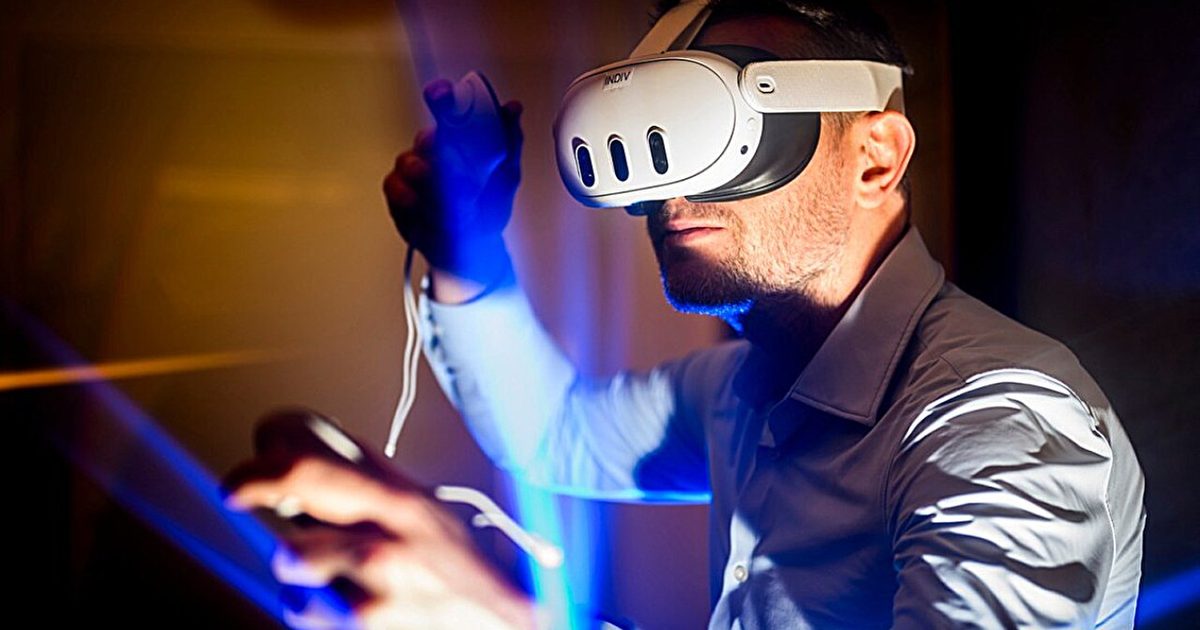

A new VR empathy game called Rekindle turns facial expressions into part of the controls. The game asks players to perform emotions, then watches their faces to see whether those reactions match the scene.
The first-person story centers on memory, identity, and empathy for the LGBTQ+ community. Players move through a dystopian future where sexual identity has been targeted and erased, collecting memory fragments tied to the protagonist’s experience.
To advance, players have to show emotions connected to those memories. That’s a fascinating mechanic, and also a mildly cursed preview of where emotion-tracking VR could go once it leaves the game demo stage.
How a headset reads a feeling
Rekindle uses face-tracking built into a Samsung Galaxy XR headset. The system reads facial muscle movements, converts them into action units, and maps those signals onto basic and compound emotions.
A smile, a wince, or a look of surprise becomes input. The game is trying to detect whether the player’s face fits the emotional shape of the scene, which is much more intimate than pressing the correct button.
That could make VR stories feel less wooden. It also means the headset is watching something more personal than hand movement, and that boundary is going to get uncomfortable fast.
When empathy becomes the mechanic
The memories in Rekindle aren’t ordinary collectibles. They’re built around personal and culturally shared moments tied to LGBTQ+ life, including painful echoes of violence against queer communities.
The player advances by reacting to those fragments emotionally. Perspective-taking becomes something performed with the face rather than selected through a menu.
That’s where the experiment gets messy. A player from the community and a player with little context may react very differently. Future versions could let those reactions change the story path, turning discomfort or empathy into branching narrative fuel.
Where this gets stranger
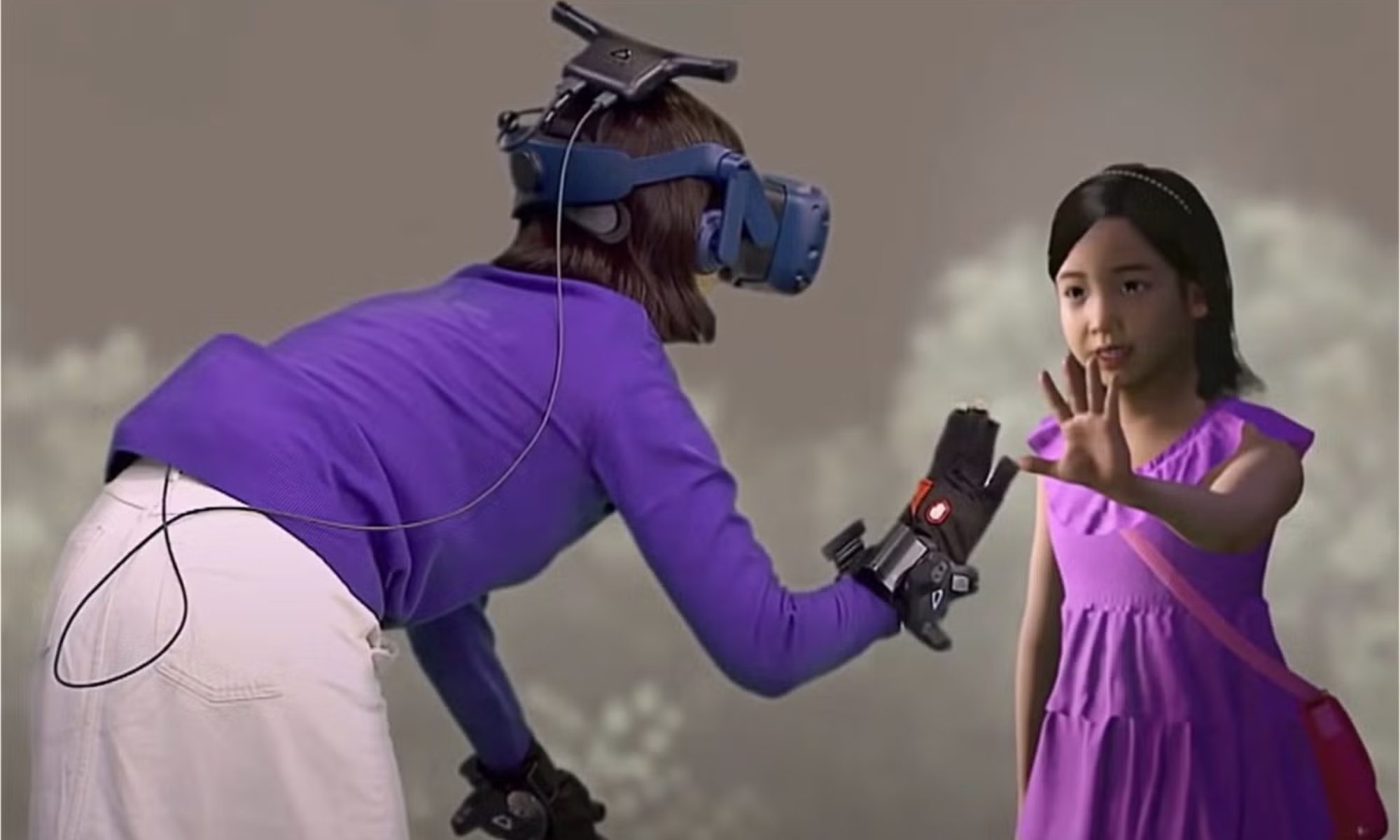
Rekindle is still a game, but the researchers are already looking beyond games. Similar systems could be used in VR exposure therapy or safety tools that detect when someone is drowsy or stressed.
That’s the tradeoff with emotion-aware tech. A headset that knows when a scene lands could make interactive stories feel more alive. It could also make users more comfortable with devices that monitor emotional signals in places where a controller already felt invasive enough.
The next boundary to watch isn’t whether this works. It’s where this kind of emotional monitoring starts to feel normal.
Read the full article here