




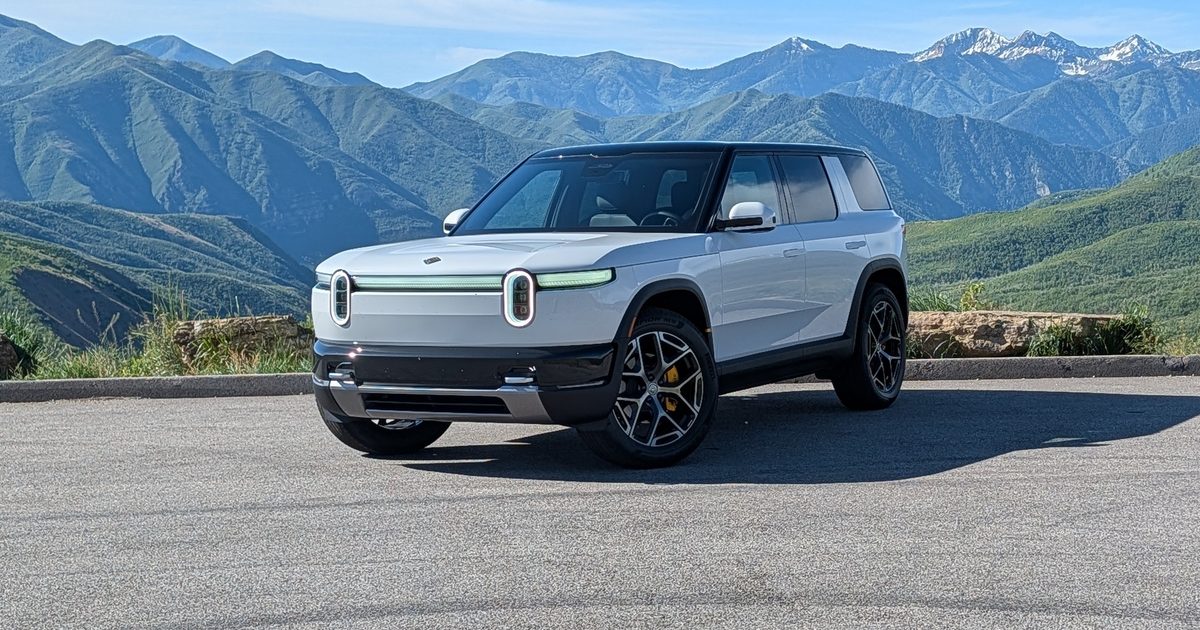

Rivian has officially launched the R2, a smaller, more affordable two-row electric SUV. Despite the lower price point, the company does not seem to have cut any corners on the new vehicle. Instead, many of the savings seem to have been achieved through more efficient engineering.
Examples of that efficiency can be seen in things like the vehicle’s wiring, which has ditched around two miles of cable when compared to the R1. A lot of the vehicle’s systems and chipsets have been compacted and condensed too.
This means the R2 is priced between $44,990 and $57,990. Making it one of the more affordable electric SUVs on the market. Admittedly, the sub-$45,000 version isn’t launching until 2027, but even on the higher end, Rivian seems to be undercutting similar efforts from the likes of BMW and Lucid.
So it looks good on paper. But how is the Rivian R2 in real life? I recently went out to Utah and experienced the vehicle in person. Here’s what I took away from my time with the Rivian R2.
The R2 looks surprisingly good
If you haven’t spent the last few weeks in a cave, you’ve probably noticed the controversy surrounding the Ferrari Luce. A lot of that criticism centers on the Luce’s looks, and those looks are what happens when you chase aerodynamics above all else.
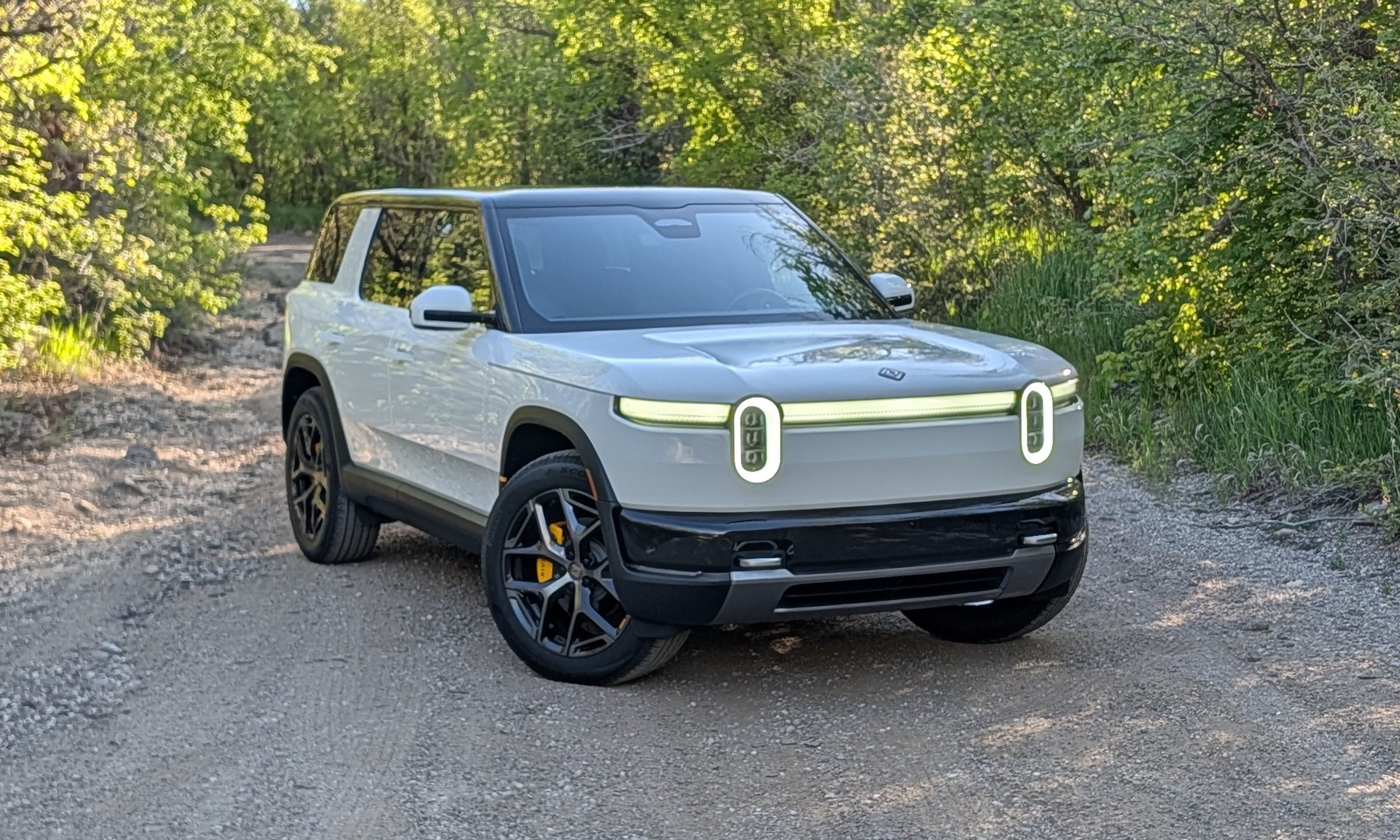
Aerodynamic efficiency is pretty important to an EV. It increases performance while also extending range. But Rivian is seemingly happy to sacrifice a few miles of range if it means the R2 is more pleasing on the eye. This is the correct decision, as the seven or so miles the vehicle would have got probably isn’t worth making it look like a mid-range training shoe.
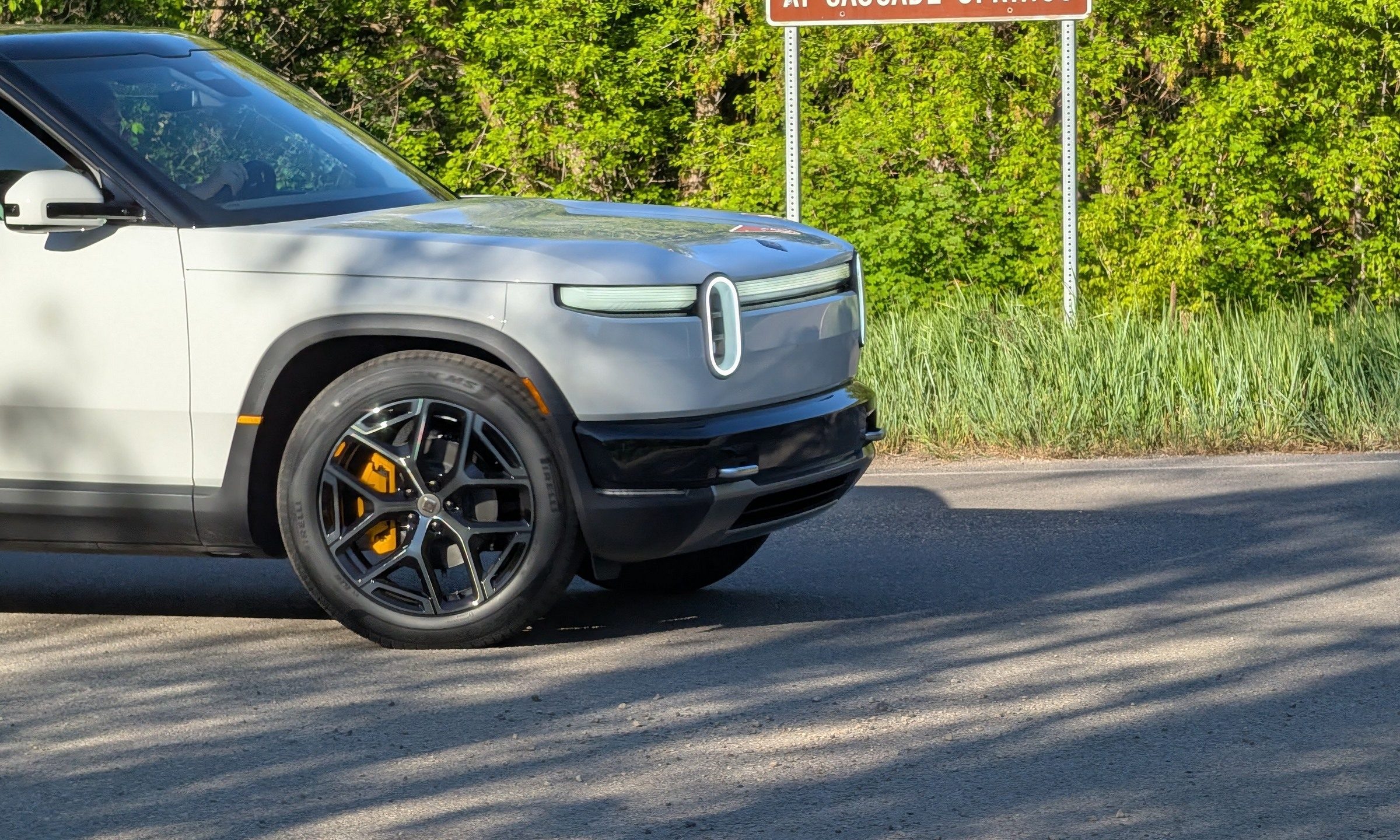
Instead, the R2 looks like a classic two-row SUV. It’s boxy and commanding. In short, it looks great. It looks like something you’d be happy to get spotted behind the wheel of. And it still gets an estimated 345 miles of range on some trims anyway.
How does the Rivian R2 drive?
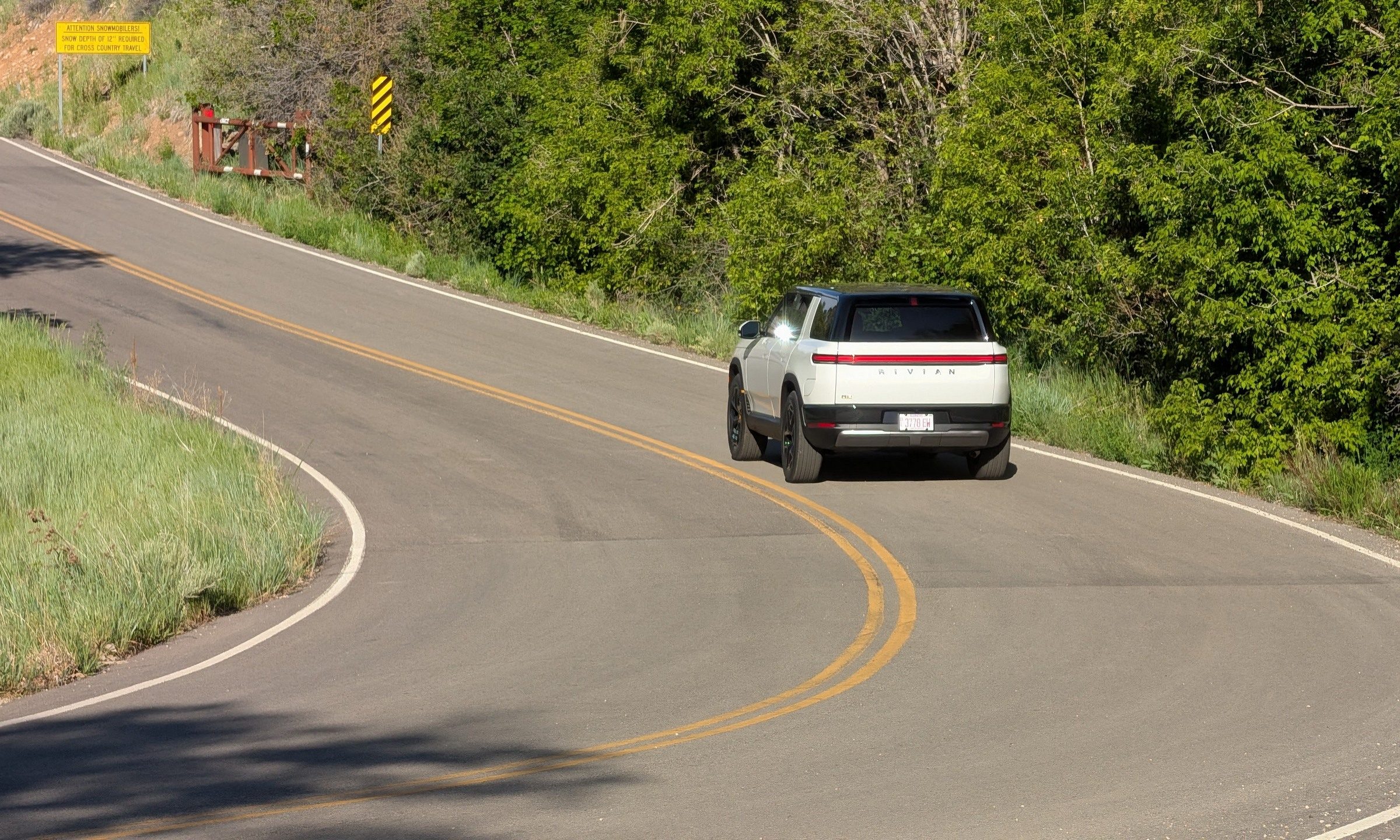
Rivian has completely revamped the chassis, batteries, and motors for the R2, so you’re looking at a lighter and more efficient vehicle. With the top-tier “performance” trim, you’re looking at a Dual-motor AWD system that cranks out 656 horsepower and can get the vehicle from 0-60 in just 3.6 seconds. Is it the fastest electric SUV ever made? No. Will you actually notice? I doubt it.
During the road test portion of the first drive event, I took the Rivian along some winding mountain roads. The sort of roads where a mistake will see you put your vehicle over the edge of said mountains, and tumble hundreds of feet into the valleys below. So obviously, I wasn’t going to push things too hard.
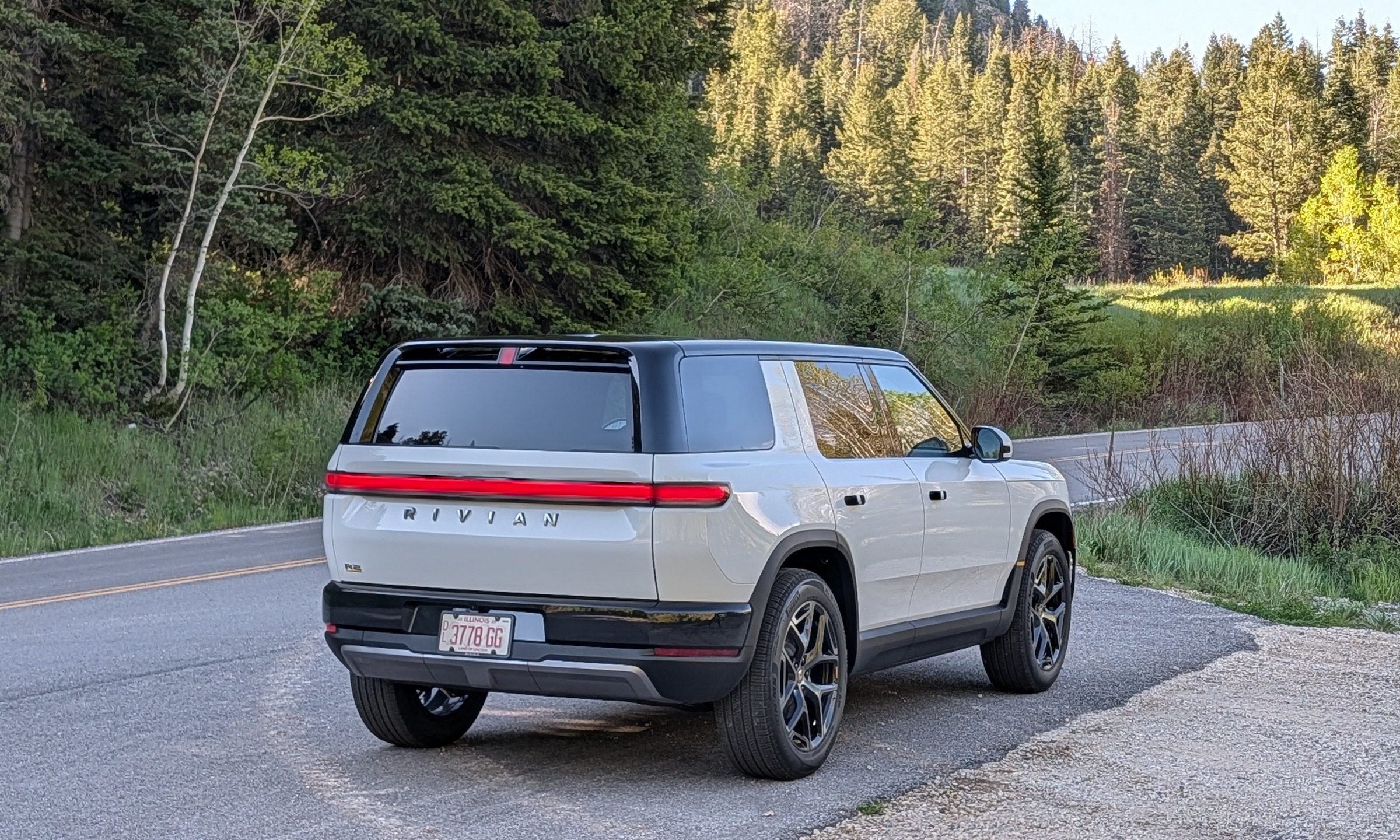
I can say that the Rivian felt comfortable at about double the speed you might recommend for that kind of road. It was also easy enough to push the vehicle above 100 mph on one of the straighter sections.
In addition to outright performance, ride comfort was also solid. Body roll seemed to be minimal, even on many of the route’s curvier sections. The regenerative braking and acceleration are both pretty harsh though. Combine the two with some enthusiastic driving, and car sickness is certainly a possibility, especially on the aforementioned winding mountain roads.

Off-road performance is also notable in the Rivian R2
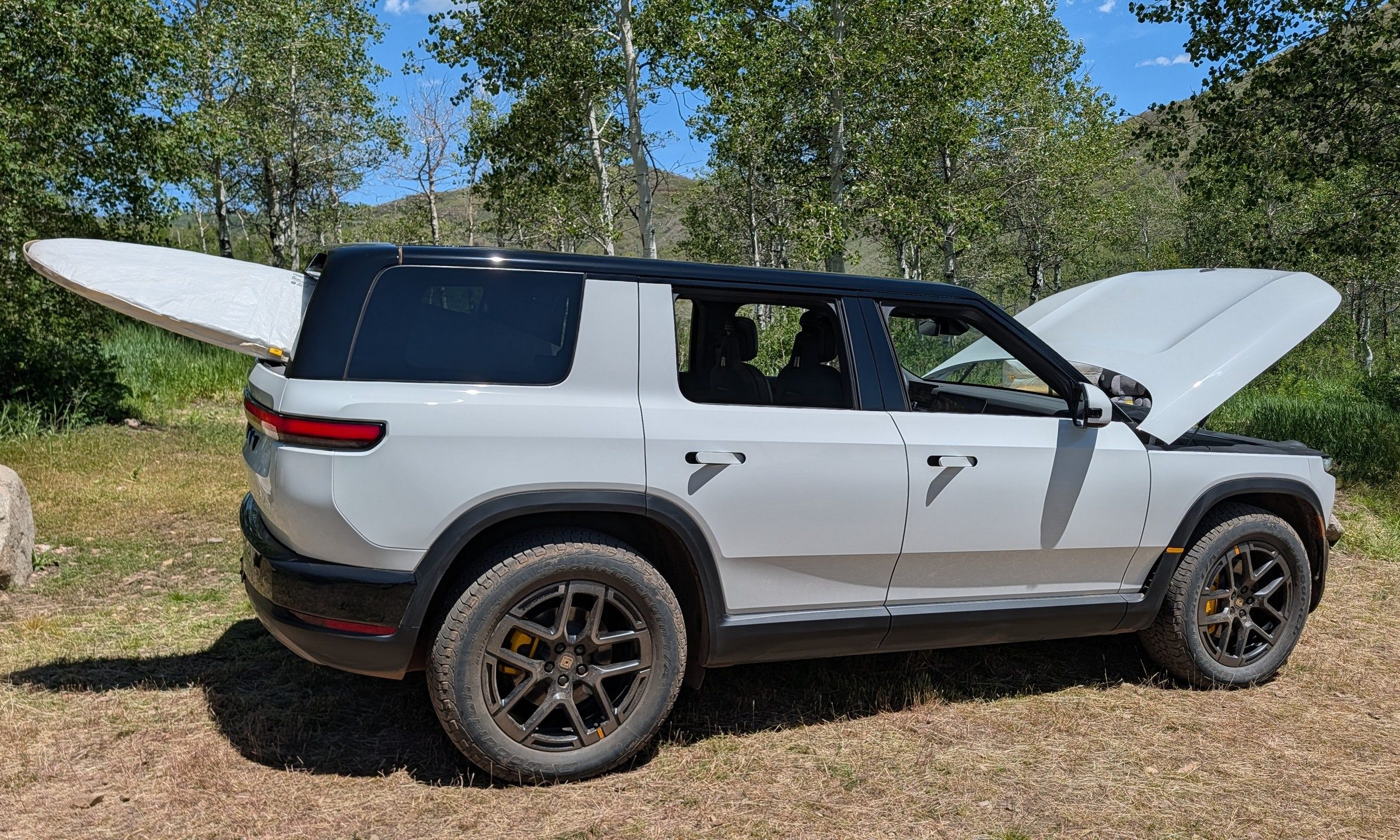
With its all-electric powertrain, lack of a locking differential, and significant weight, it’s easy to write the R2 off as an off-roader. But whether you’re scrambling up a mountain trail or dodging muddy ruts, the vehicle is surprisingly handy.
During the drive, I managed to get the R2 along sections of trail I would not have thought it was capable of. It wasn’t all smooth sailing. The open dif did mean there were a number of occasions where I had to pull back and rethink my line. But despite the extra effort, the R2 still got there in the end.
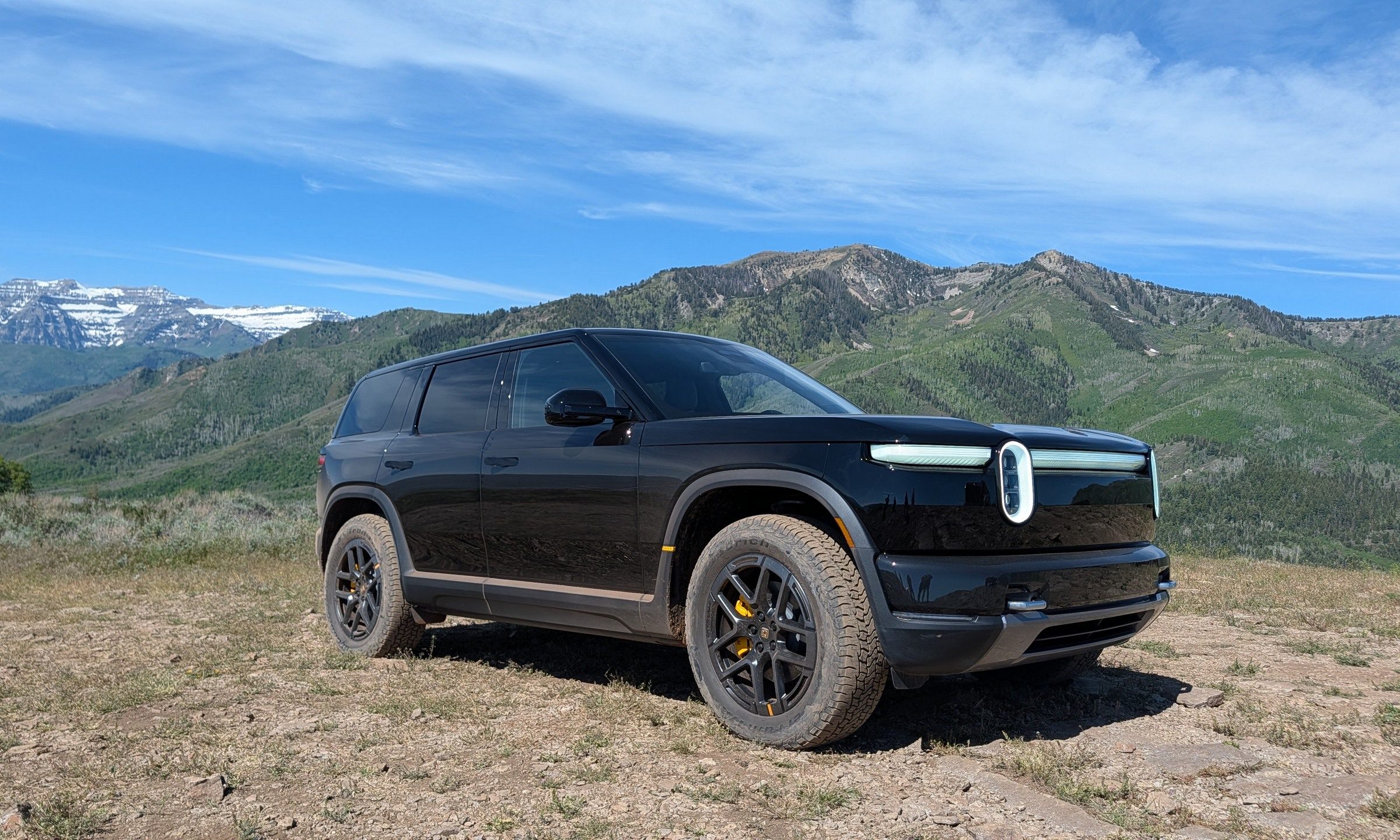
The other off-roading concern is the battery pack, which seemed more than capable of handling the occasional knock. Years of off-roading experience have drummed the idea of avoiding prominent rocks into me, but it’s refreshing to know I could drive over one without worrying about smashing a sump or differential. The 9.6 inches of ground clearance, coupled with approach and departure angles of 25° and 26° respectively, also means tagging rocks or bumps in the terrain is hardly an issue most of the time.
The interior still feels luxurious
When a manufacturer looks to cut costs, interiors are usually the first thing to suffer. Spec sheets are what tend to do the talking, and you can’t really sum up the feel of a seat cover or the quality of a dashboard as a simple figure.
However, on the R2, Rivian has maintained the quality of its interior. Okay, so the seats are technically made of “pleather.” But it’s the same high-quality fake leather the company puts in the R1S and R1T. So it isn’t a cost-cutting exercise.
There’s a lack of cheap-feeling plastic across the interior in general. You still get lots of wood, you still get wonderful textures, and I didn’t manage to spot any piano black — which puts it ahead of some six-figure supercars I’ve driven.
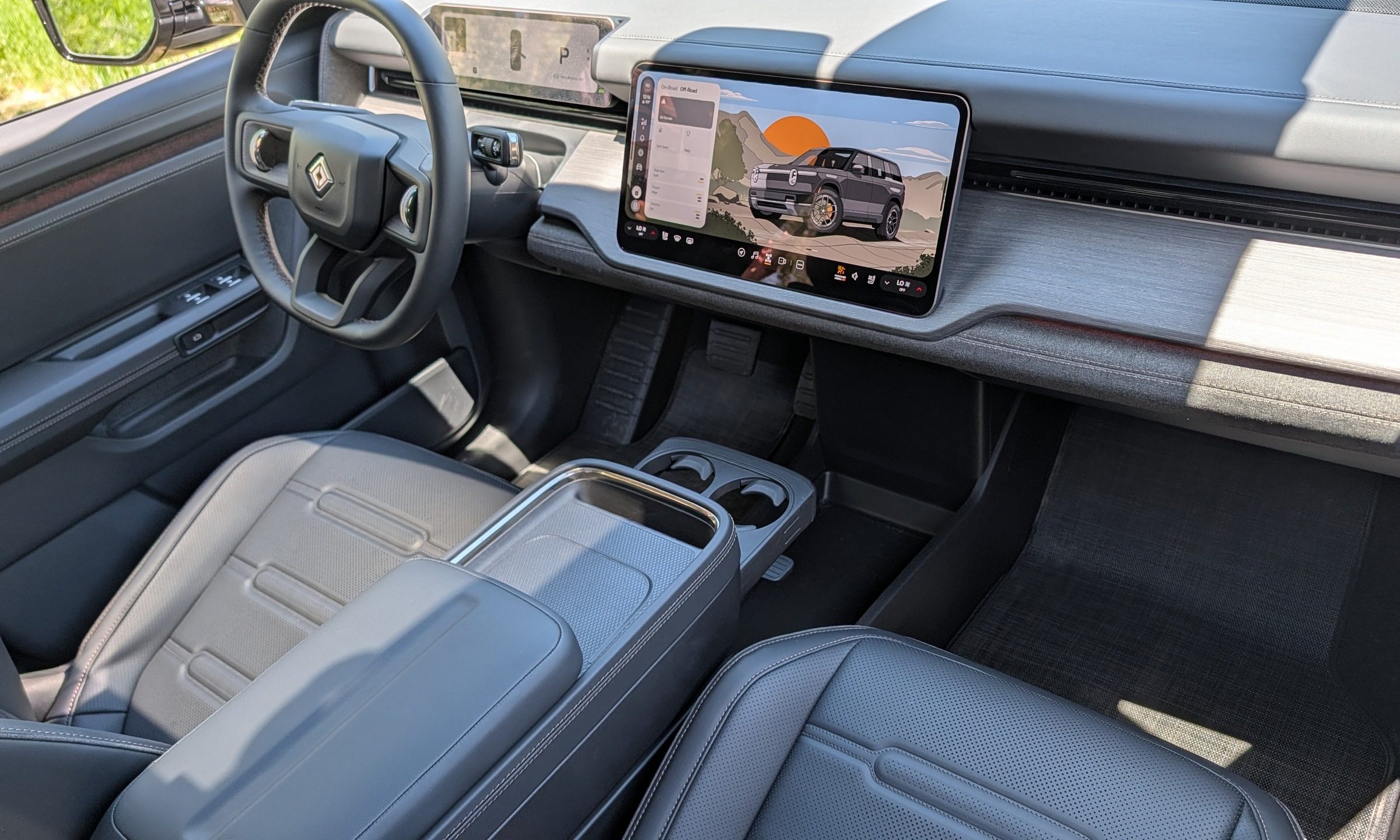
The seats are still highly adjustable too; leg room is good, general comfort is spectacular with features like vented seats available. Overall, Rivian has done a solid job on the R2’s interior. Let’s hope that carries over to the entry-level model set to launch in 2027.
The infotainment system is basic in a good way
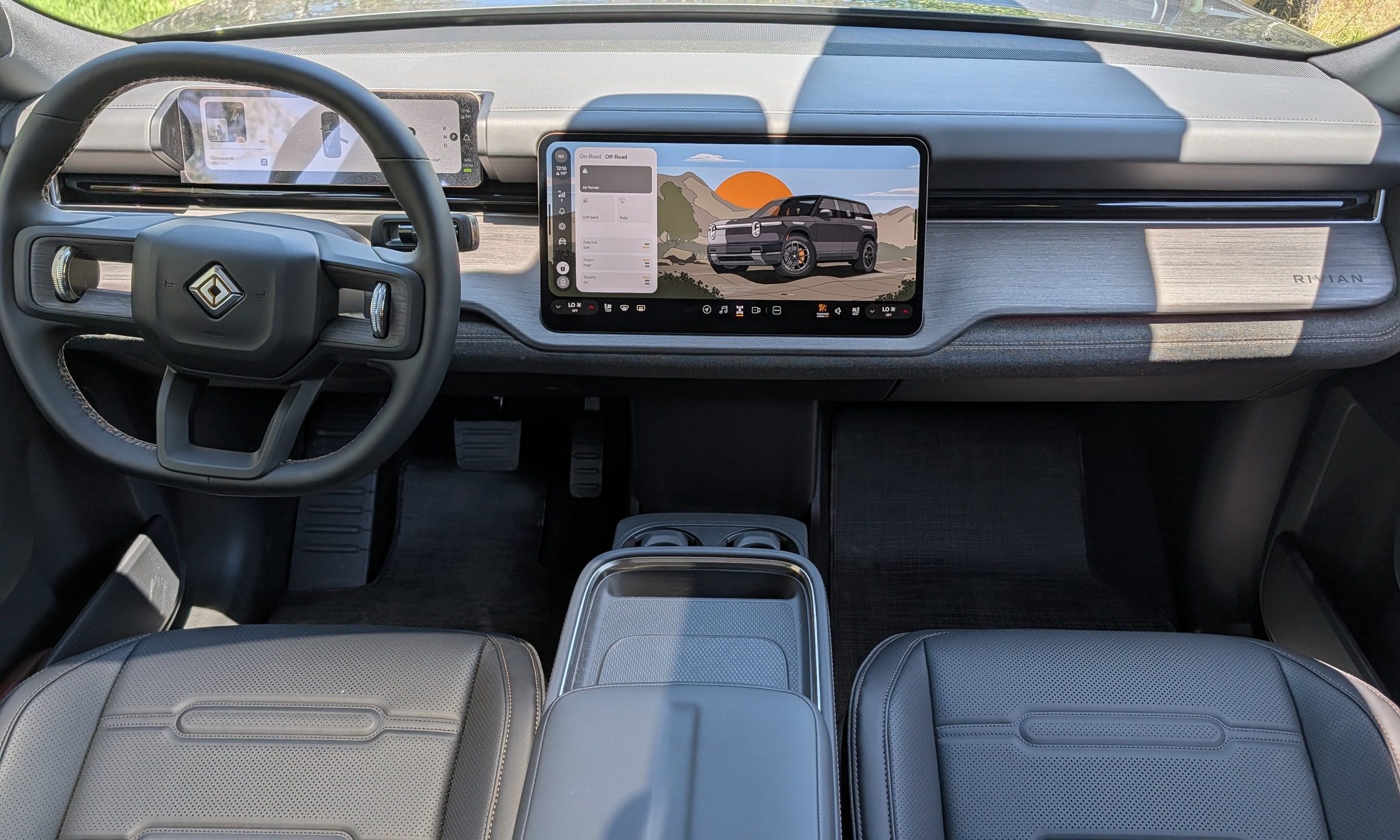
Infotainment is an area where a lot of manufacturers are trying desperately to stand out these days. Many are opting for dash-length displays, creative HUDs, or other cutting-edge gimmicks designed to take infotainment to the next level. Rivian has a driver’s display and a wide central touch screen. This isn’t a bad thing. Both screens are well integrated with the interior and perfectly functional. The 9-speaker, 2 midwoofer premium audio package also sounds decent enough.
With that being said, Rivian’s quality of life and ADAS features seem to be a bit of a work in progress. There are promises of a Level 2 self-driving system to rival Tesla’s, along with Level 3 and eventually Level 4 systems. But none of those are quite there yet. Rivian’s current system works on a good number of roads, but I’d put it behind both Tesla’s FSD and GM’s Super Cruise when it comes to overall functionality.
Rivian will also be leaning heavily into AI going forward. Though the company doesn’t seem to be relying on “software as a service” as much as some of its rivals. You’ll still be able to purchase self-driving packages outright as things stand.
The reworked controls may be hit or miss
Perhaps the most standout feature on the Rivian R2, beyond its smaller scale, is the “Haptic Halo Wheels” that control everything from vehicle adjustments to the vehicle’s infotainment system. There are two things to note when it comes to the “Halo Wheels.” The first is the learning curve you’ll experience when using them.
It’s quite awkward to select exactly what you want at first. Plus, despite the tutorials, there are a bunch of functions and gestures that will take a while to work out. I’d estimate it will take the average R2 owner a couple of weeks to get to grips with the new wheels.
Then, when you have the hang of them, the question is, do you really like the new system or not? I doubt there’s any middle ground, and people will either love or despise the controls on the R2. What I will say is Rivian has done a solid job with the wheels themselves. They’re made out of machined metal and are very pleasant to interact with.
In my opinion, it adds a lot more to the vehicle than an array of cheap plastic buttons would. It definitely maintains that feel of quality, much like the interior does overall, despite the severe price cuts.
Should you buy a Rivian R2?
The Rivian R2 is available to order now. But should you actually buy one? The electric SUV is entering the most competitive automotive segment on the planet. Every company seems to want a slice of the $50,000 mid-sized SUV pie, with the platform and price point flagged as a bit of a sweet spot when it comes to American consumer demand.
The BMW iX3 initially looked like it was going to waltz in and clean up, offering a staggering amount for its price tag. Then Lucid came along, announced the Cosmos, and gave the Germans a genuine rival to worry about.
Now Rivian seems to have undercut both companies, while still retaining much of the quality that established it as a highly desirable, trendy, luxury brand over the last decade. The fight for the mid-range, mid-sized market hasn’t really begun, but it’s going to take a lot to knock the Rivian R2 off its perch based on what I’ve seen.
Read the full article here