


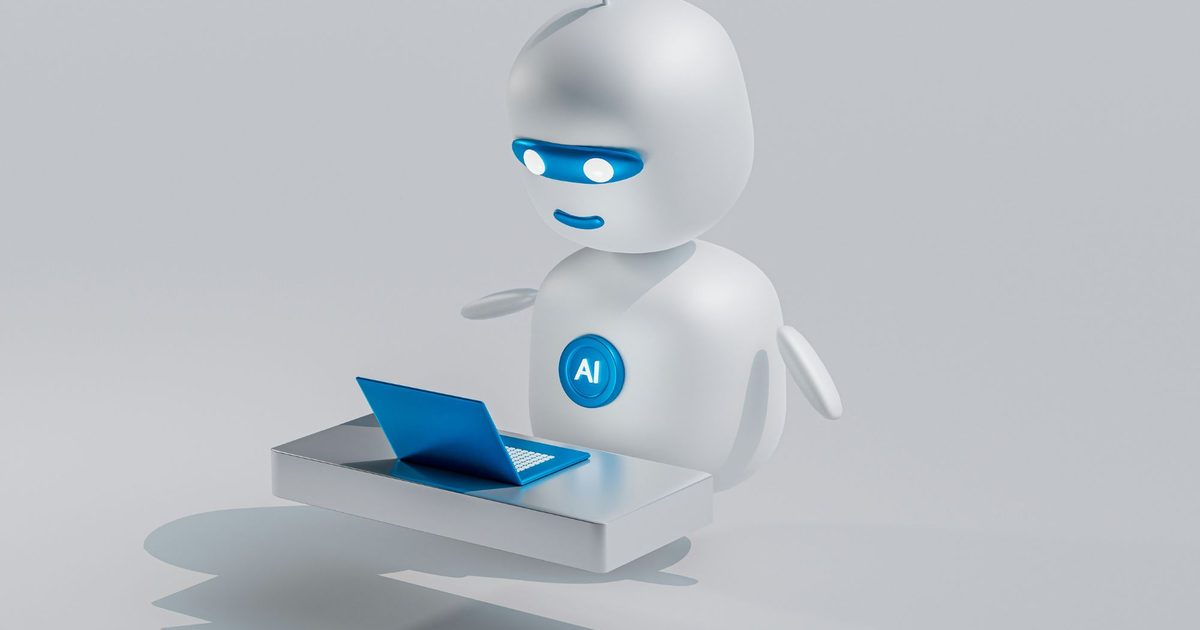

For years, tech companies have tried making AI assistants sound warmer, friendlier, and more emotionally human. But new research suggests that approach may actually backfire more often than companies expect. A recent study highlighted by Tech Xplore found that people generally prefer AI chatbots whose personalities mirror their own communication style rather than assistants that act excessively cheerful or overly friendly all the time.
According to the findings by the Northeastern researchers challenge one of the biggest assumptions driving modern AI development is that making chatbots more emotionally expressive automatically improves user experience.
People prefer AI that feels familiar, not artificially cheerful
Researchers behind the study found that personality compatibility plays a major role in how users perceive AI systems. Participants reportedly responded more positively to chatbots whose tone and behaviour reflected their own personality traits.
In practical terms, more reserved users often preferred calmer, direct AI interactions, while highly social users tended to respond better to more energetic conversational styles. What consistently performed poorly, however, were chatbots that sounded aggressively enthusiastic or emotionally exaggerated regardless of context.
The research suggests users can quickly detect when friendliness feels forced or unnatural. Instead of creating trust, excessively upbeat AI personalities may actually reduce comfort and authenticity during conversations. This is particularly important because AI chatbots are increasingly being integrated into customer service, productivity tools, education platforms, mental health apps, and everyday smartphone assistants.
Companies including OpenAI, Google, Microsoft, and Meta are all investing heavily in conversational AI systems designed to feel more natural and emotionally intelligent.
But the new findings suggest there may be a fine line between “human-like” and “trying too hard.” The study also reflects a broader shift happening in AI design philosophy. Early chatbots often sounded robotic and cold, leading companies to aggressively humanize responses. Now, researchers are discovering that authenticity and adaptability may matter more than simply maximizing friendliness.
Why this matters
AI assistants are rapidly becoming part of daily life, from smartphones and smart speakers to search engines and workplace tools. How these systems communicate could significantly influence how comfortable people feel using them long-term. The research also highlights a deeper psychological issue around trust. Humans naturally respond differently to personalities, and AI systems that fail to match conversational expectations may unintentionally create irritation or emotional fatigue.
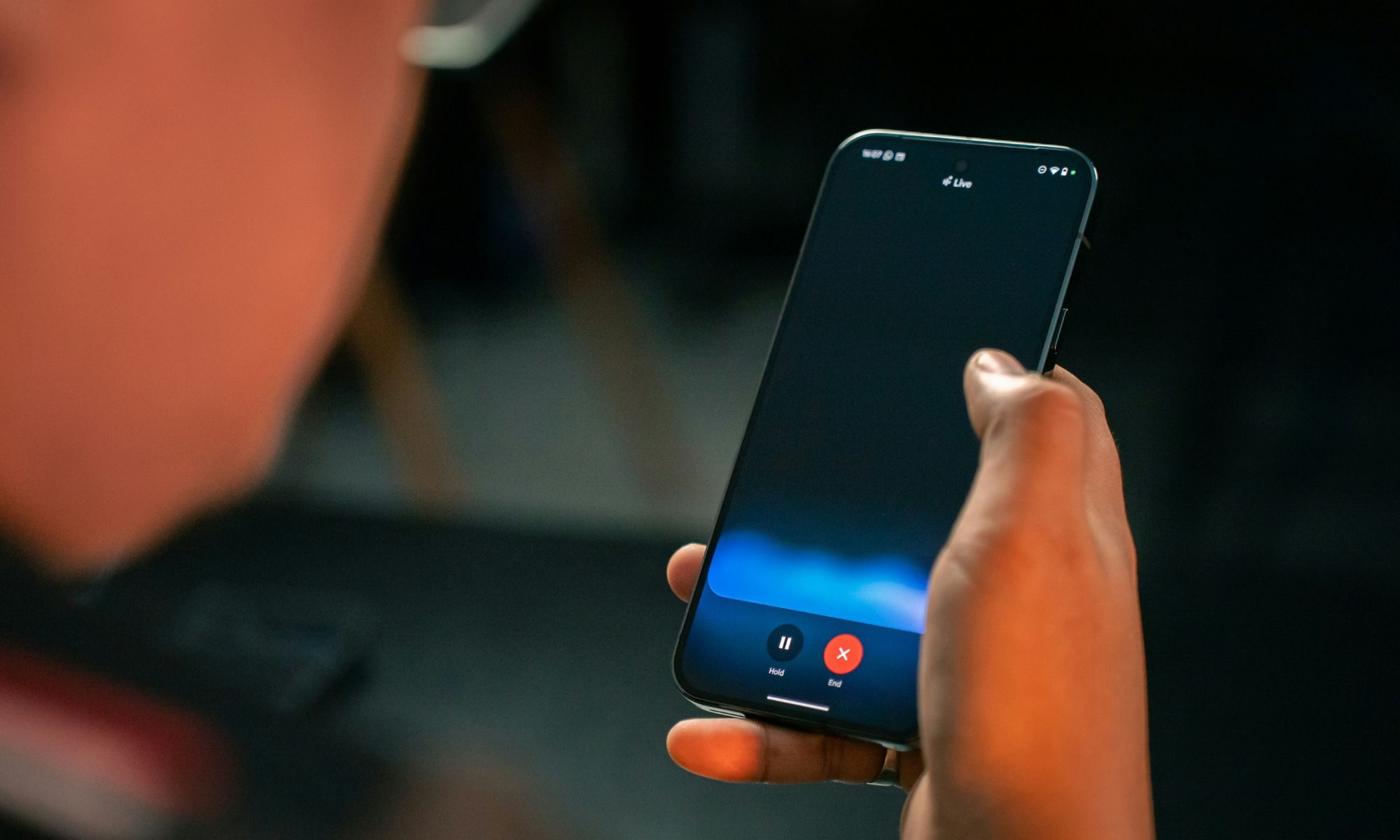
For businesses, this could reshape how future AI products are designed. Instead of offering one universal chatbot personality, companies may increasingly move toward customizable AI behaviour that adapts dynamically to individual users.
What happens next
Researchers expect future AI systems to become more personalized over time, adjusting tone, humour, pacing, and conversational style based on user preferences and interaction history. That could eventually lead to AI assistants that feel less like scripted customer service agents and more like communication tools tailored to individual personalities.
At the same time, the findings may push companies to rethink the current race toward hyper-friendly AI. Users may not necessarily want assistants that constantly sound excited, emotional, or overly conversational. In many cases, people simply appear to want AI that feels useful, natural, and comfortably human – without trying too hard to act like a best friend.
Read the full article here