




The memory market is already in terrible shape, and Nvidia’s new Rubin could be kicking it while it’s already down. According to a Fast Company report, citing a forecast from Citrini Research, the company’s next-gen AI platform could require more than 6 billion GB of LPDDR memory in 2027. With the LPDDR (low-powered memory) primarily being used in phones, tablets, and other portable devices, the price hikes might get even worse.
And if the report is true, Nvidia alone may consume more memory than Apple and Samsung combined.
How Rubin is eating into consumer memory supply
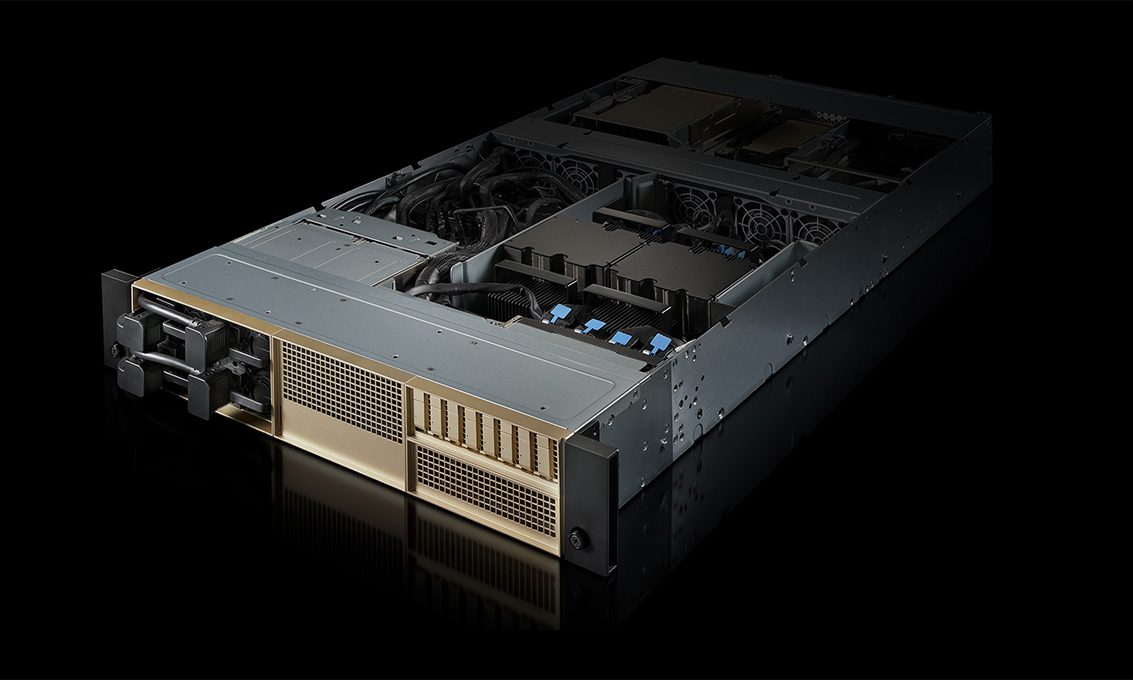
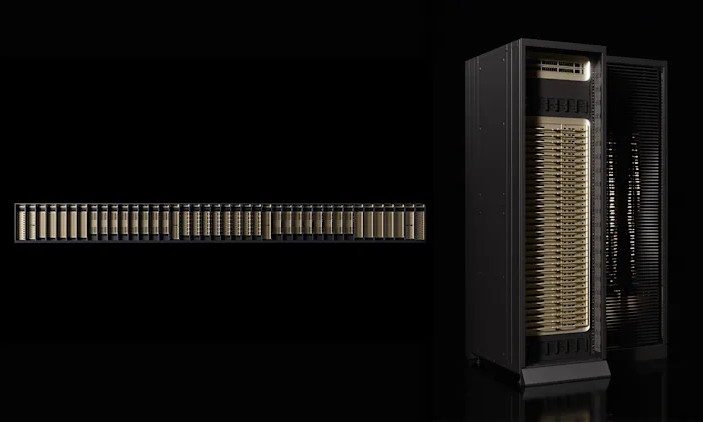
Nvidia’s Rubin platform is the company’s next big AI hardware push after Blackwell. The company designed it for the growing demand for generative AI workloads and real-time reasoning, with the next-gen platform expected to be twice as fast as Blackwell. But this growth leads to the problem of scale.
Citrini’s projection puts Nvidia’s LPDDR demand at 6.041 billion GB in 2027, compared with 2.966 billion GB for Apple and 2.724 billion GB for Samsung. Nvidia is expected to surpass each company individually this year, then overtake their combined LPDDR demand next year. This massive demand could put a lot of pressure on the already strained memory supply, especially as Google, AMD, and other AI players also increase their LPDDR needs.
Your next phone or laptop could feel it
With the memory shortage already causing notable price hikes across consumer electronics, new gadgets are feeling the pinch. With many pandemic-era gadgets, like TVs, PC, and other devices, now entering refresh timing, replacing anything from smartphones to smart TVs is a lot more expensive now.
At the same time, memory prices have reportedly climbed 150% to more than 200% over the past year, with storage prices moving in the same direction. The RAM crisis became so bad that even expandable storage might return on smartphones. While Rubin might be a big win for Nvidia, consumers could be hit with painfully higher price tags with their next tech purchases.
Read the full article here