


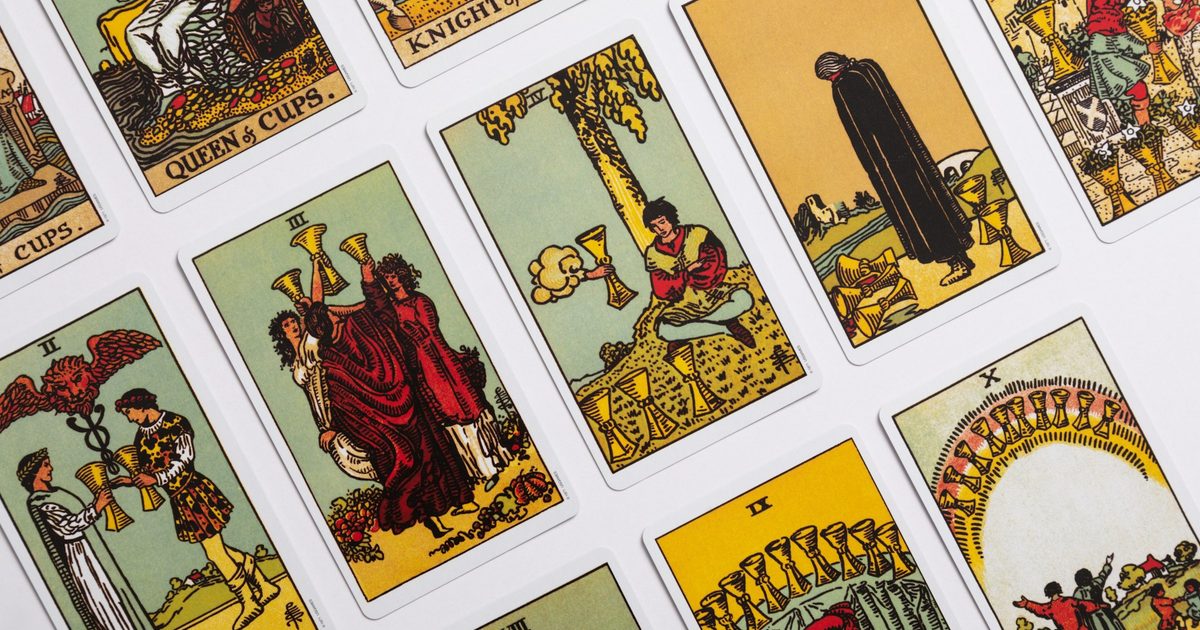

AI has already moved into some of the most emotionally fragile parts of life, from eulogies to dead-person chatbots that promise one more exchange with someone who’s gone. Now the same technology is being pulled into tarot card readings.
A 2026 study examined how tarot practitioners use AI when reading cards for themselves, and the shift lands far outside the usual productivity script. Tarot card readers are bringing ChatGPT into questions that are personal, symbolic, and often unresolved.
The uneasy part is the handoff. Tarot asks people to sit with uncertainty, but ChatGPT is built to turn messy inputs into a confident answer.
Why would readers ask AI
The study found two broad patterns among practitioners. Some used AI as a shortcut when a spread felt hard to untangle, especially when the cards pointed in more than one direction.
That’s where ChatGPT becomes seductive. Tarot lives in interpretation, and interpretation can be slow. A chatbot can take clashing symbols and return something that sounds clean, complete, and ready to believe.
The problem starts when clean becomes too clean. A reading often works because it leaves room for doubt, self-reflection, and competing meanings. ChatGPT doesn’t know the full emotional history behind the question, even when its answer sounds sure of itself.
How far can this spread
The same instinct already runs through grief tech, faith-adjacent AI, and private decision-making. People aren’t only asking chatbots to organize life anymore. They’re asking them to help make sense of it.
Tarot makes that shift easier to see because the work is openly symbolic. A reader pulls cards, weighs context, and looks for meaning in the tension between possible interpretations.

The study also found a more careful use case. Some readers asked AI to challenge their assumptions, compare readings, and surface blind spots. In those moments, the useful part wasn’t certainty. It was resistance.
Who gets the final say
The line to watch is control. ChatGPT can add another angle, but it shouldn’t become the authority that ends the reading.
A safer approach keeps the reader in the loop. The bot can offer a possible interpretation, but the person still has to weigh it against the cards, the spread, the question, and their lived context.
That distinction reaches beyond tarot. As AI slips deeper into grief, faith, advice, and memory, the practical rule is simple enough. Let it widen the question before you let it close one.
Read the full article here