





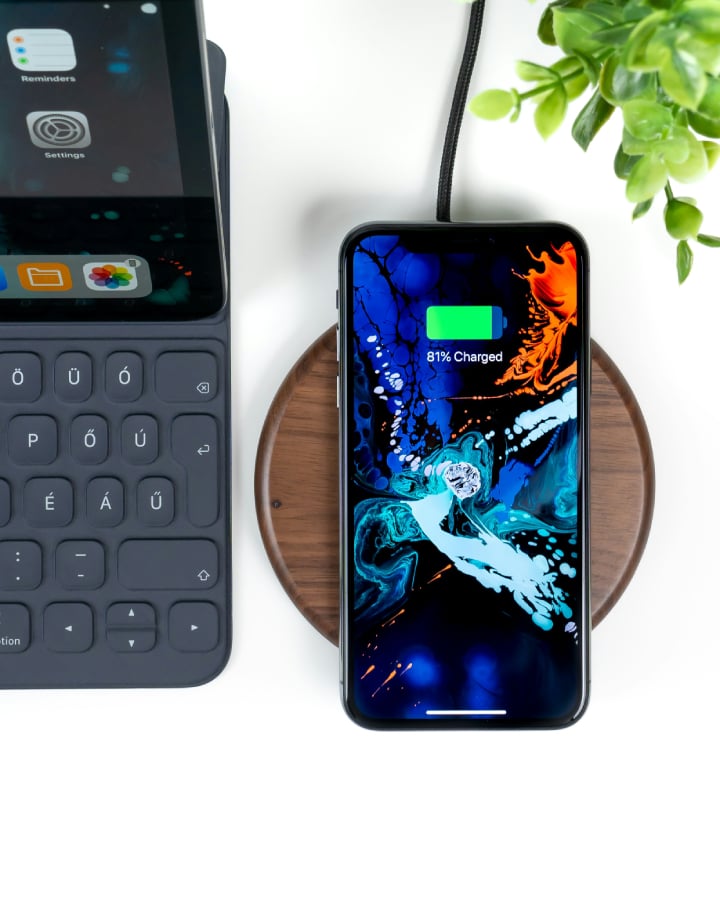

Apple is reportedly having second thoughts about one of its most recognizable features.
According to a new report from the tech leaker, Instant Digital on Weibo, the tech giant is currently locked in a heated internal discussion about whether MagSafe, the ring of magnets that has defined the iPhone experience for years, should remain a standard feature.
While MagSafe has become a staple for millions of users who rely on magnetic chargers and wallets, the atmosphere inside Apple has shifted from excitement to uncertainty. “There has been a lot of controversy within Apple recently over whether iPhones [should] come standard with MagSafe magnets,” the leaker wrote.
The internal tension isn’t exactly new, but it is reaching a boiling point. When the technology was first introduced with the iPhone 12 in 2020, Apple was all in. At one point, there were even plans to bring the magnets to the iPad, a move that never actually made it to store shelves despite years of rumors and prototyping.
We’ve already seen Apple test the waters of a magnet-free world. Last year’s budget-friendly iPhone 16e famously ditched MagSafe, a move that sparked immediate backlash from fans and reviewers, who were left with either traditional plug-in charging or slippery wireless pads.
Apple seemingly listened to those complaints and brought MagSafe back to the iPhone 17e earlier this year. However, this latest leak suggests that victory for magnet lovers might have been short-lived.
Must-read Apple coverage
Why ditch a fan favorite?
The question on everyone’s mind is why. If the ecosystem is so successful, why would Apple walk away? The answer likely comes down to two things: space and money.
Magnets take up valuable real estate inside a phone’s chassis. As Apple pushes toward the rumored iPhone look and feel like a single sheet of glass, every millimeter counts. There is also the upcoming foldable iPhone Ultra, which is rumored to be razor-thin at 4.5mm when open.
Dummy units of that device haven’t shown any room for a MagSafe array, leading experts to believe it might be the first high-end iPhone in years to ship without the feature.
Beyond design, there is the bill of materials. With the cost of components like RAM rising, removing the magnetic coil is an easy way for Apple to trim manufacturing costs.
The Qi2 dilemma
Dropping MagSafe wouldn’t just affect Apple; it would ripple across the entire industry. Apple recently shared its magnetic blueprints with the Wireless Power Consortium to create “Qi2,” a universal charging standard that basically turned MagSafe into an industry norm for Android phones, too.
If Apple decides to scale back, it could rely on third-party cases to provide magnets, much like iPhone 16e users did.
For now, the debate remains internal, and the iPhone 18 Pro is still expected to feature the magnets this fall.
Read the full article here