



Volvo’s parent company has launched a new electric sedan in China that hits a familiar sore spot for US car shoppers.
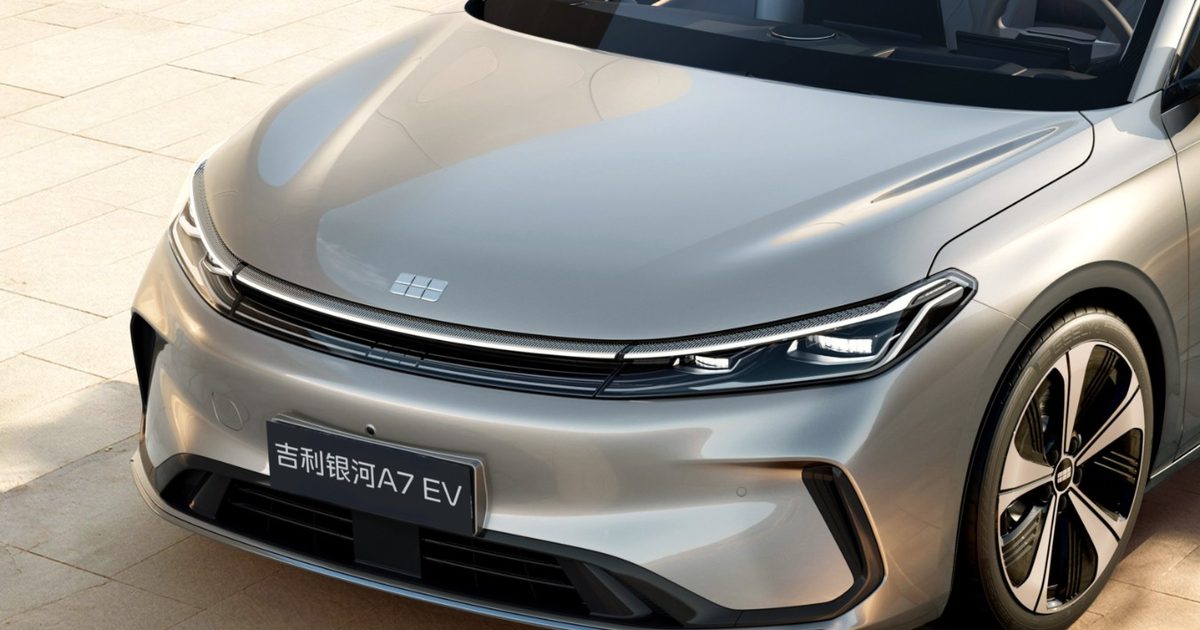
The Geely Galaxy A7 EV pairs a clean, mainstream shape with a claimed 550km of CLTC range, and it enters the market at a price that still looks strikingly low by Western EV standards. It also appears set to stay far away from US dealerships.
That low headline number needs some caution though. Car News China reports a cheaper entry point, but the launched EV trims are higher, starting at 112,800 yuan, or about $16,530, and rising to 119,800 yuan. That is still aggressive pricing for a sedan of this size, just not quite the jaw-dropping bargain the earliest figure implied.
Cheap price, messy rollout
Once you get past the pricing confusion, the core package looks solid. The A7 EV uses a 58.05 kWh LFP battery and a front-mounted 160 kW motor, with Geely claiming 550km on the CLTC cycle. Reports say there’s a smaller-battery version, so there’s still some room for Geely to clear up how broad the lineup may become.
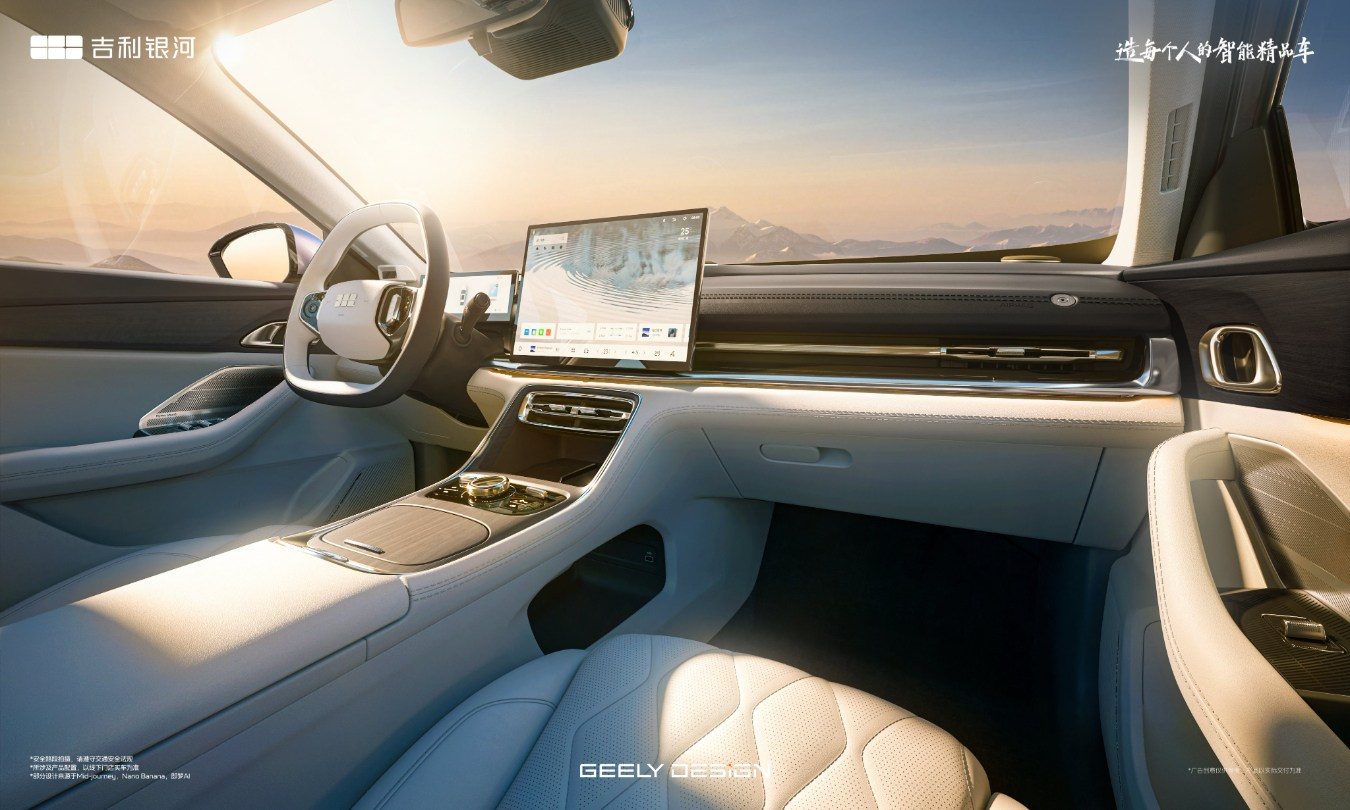
The rest of the car sounds more mature than bargain-bin. The EV gets restrained exterior styling, a 14.6-inch touchscreen, a digital instrument display, and an interior layout that reads like normal family transport instead of a stripped-down cost cutter. That matters because the real appeal here is not novelty. It is normality at a low price.
Why this one won’t reach you
For American readers, the frustrating part is how familiar this story has become.
China keeps producing lower-cost EVs that look usable and complete, while the US market rarely gets anything close to this price in a new electric sedan.
Nothing tied to the A7 EV points to a US launch, so this one looks like another car Americans will only watch from afar.
What happens before this goes on sale
The next question is whether the EV version can help revive momentum for the wider Galaxy A7 line.
Geely delivered 15,230 A7 units in China in the first quarter of 2026, but that total was down 59.4% from the prior quarter.
If this EV lands with buyers, it will matter as more than a fresh trim. It will show how quickly China’s lower-cost EV market is sharpening up.
Read the full article here