
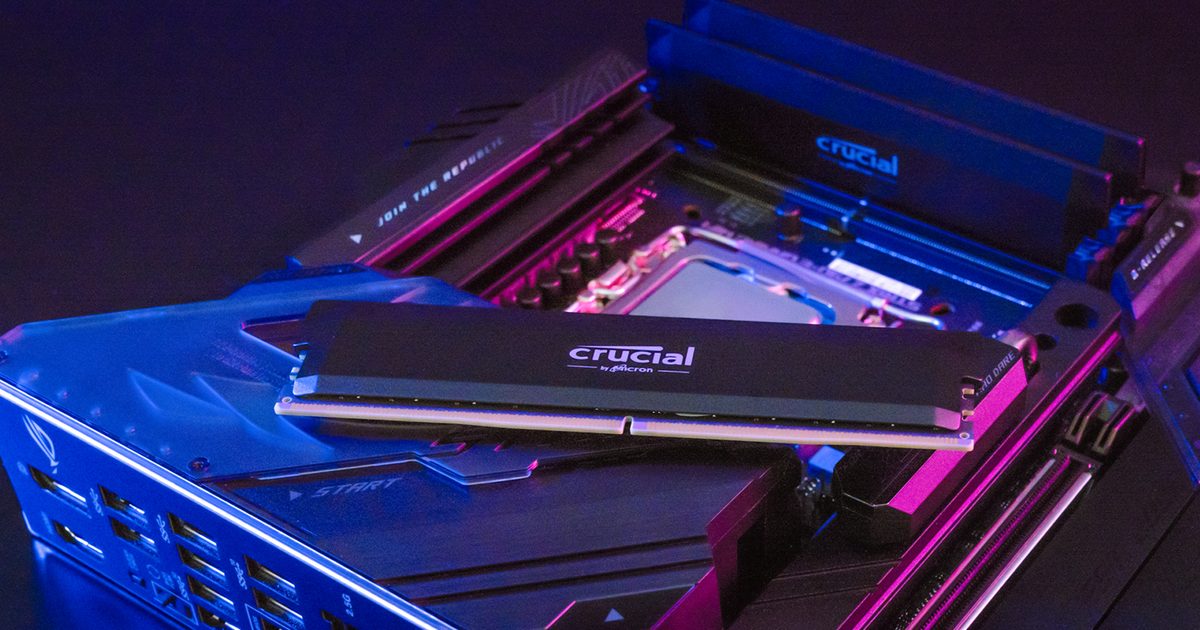

While recent reports claimed that memory prices may not fall till 2027, it seems like the memory chip crunch isn’t a short-term headache. And that’s bad news for anyone hoping phone, laptop, and GPU prices will get cheaper again soon.
Reuters reports that SK Group chairman Chey Tae-won said the global chip wafer shortage is likely to last until 2030, with artificial intelligence demand continuing to outpace the supply. Chey said the current shortage could remain above 20%, largely because AI systems require huge amounts of high-bandwidth memory and therefore burn through a lot of wafers.
Why memory price hikes could stick around for a few years
Memory chips didn’t suddenly get expensive over some production shortage or artificial scalping/price gouging. Chey specifically pointed to AI’s massive appetite for HBMs, or high-bandwidth memory, as a key reason the crunch is still sticking around. He believes that the industry needs at least four to five years to build up enough additional wafer capacity, which is why he believes that the shortage could stretch to the end of the decade.
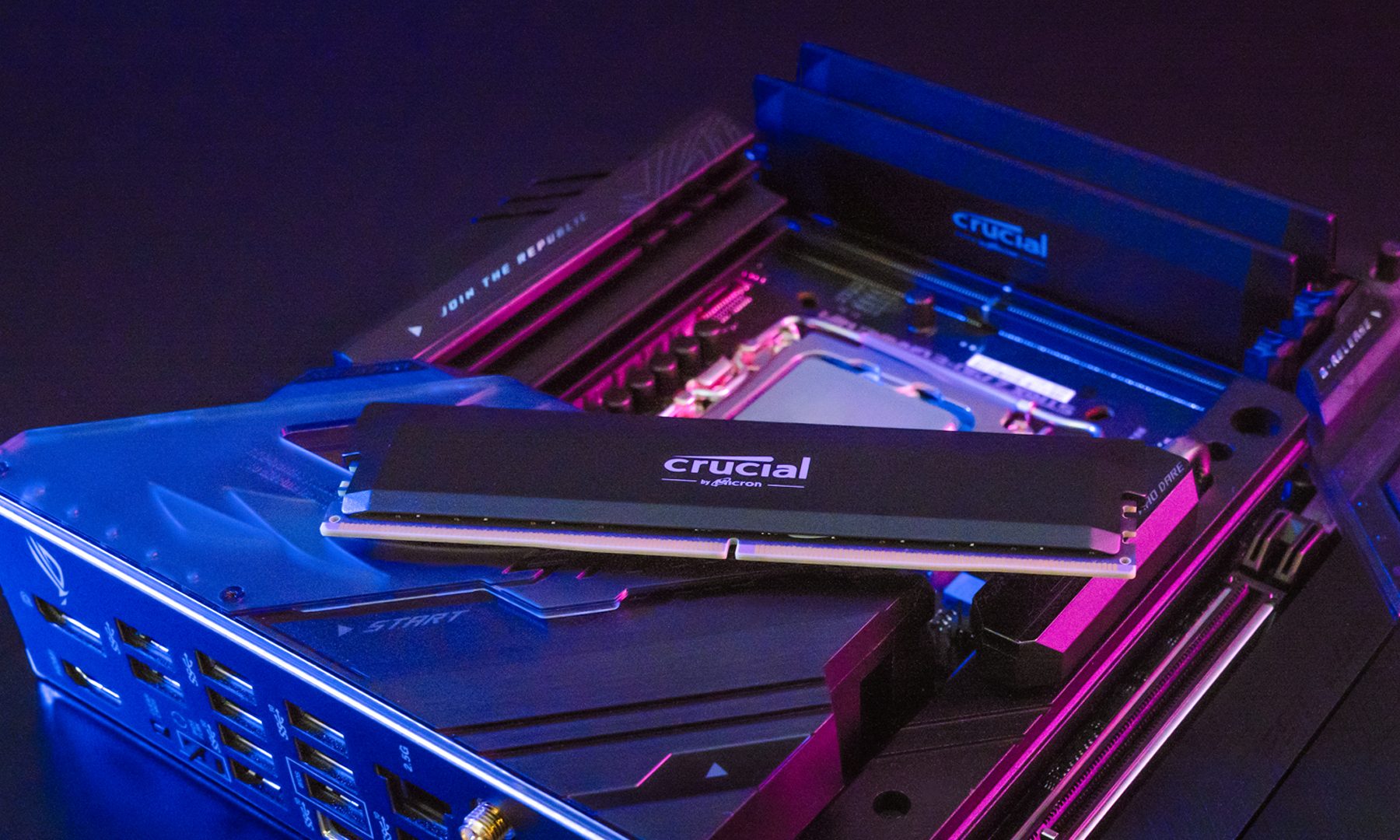
Memory is not some niche component buried in the supply chain. It touches almost everything consumers buy, from budget phones and mid-range laptops to gaming handhelds, consoles, SSDs, and graphics cards.
Why your wallet should care
Chey expects SK Hynix’s leadership to unveil a plan aimed at stabilizing DRAM prices. Companies generally do not talk about price stabilization unless they are worried about volatility, and that usually implies less predictability and higher prices for buyers.
With SK Hynix holding a 57% share of the HBM market and 32% of the global DRAM market, it’s clear that the company is not a minor player. Being the second-largest DRAM supplier in the world, these warnings are hard to shrug off.
Read the full article here