



I still believe Touch ID is the best hardware feature Apple’s introduced on the iPhone, and compared to the Android implementations of the time, it was head and shoulders above the competition in 2013.
In the years since, we’ve seen Apple bring its fingerprint scanning technology to iPad and Mac. In fact, just a few weeks ago Apple delivered the excellent MacBook Neo, with the 512GB configuration offering Touch ID for easy, secure unlocking.
Article continues below
Yet, Apple has dropped Touch ID across its entire iPhone fleet, with Face ID the preferred biometric sensor of choice. All is not lost though, and rumors have me hopeful that we’ll see Touch ID make a return on at least one iPhone model in 2026.
From gimmick to game-changer
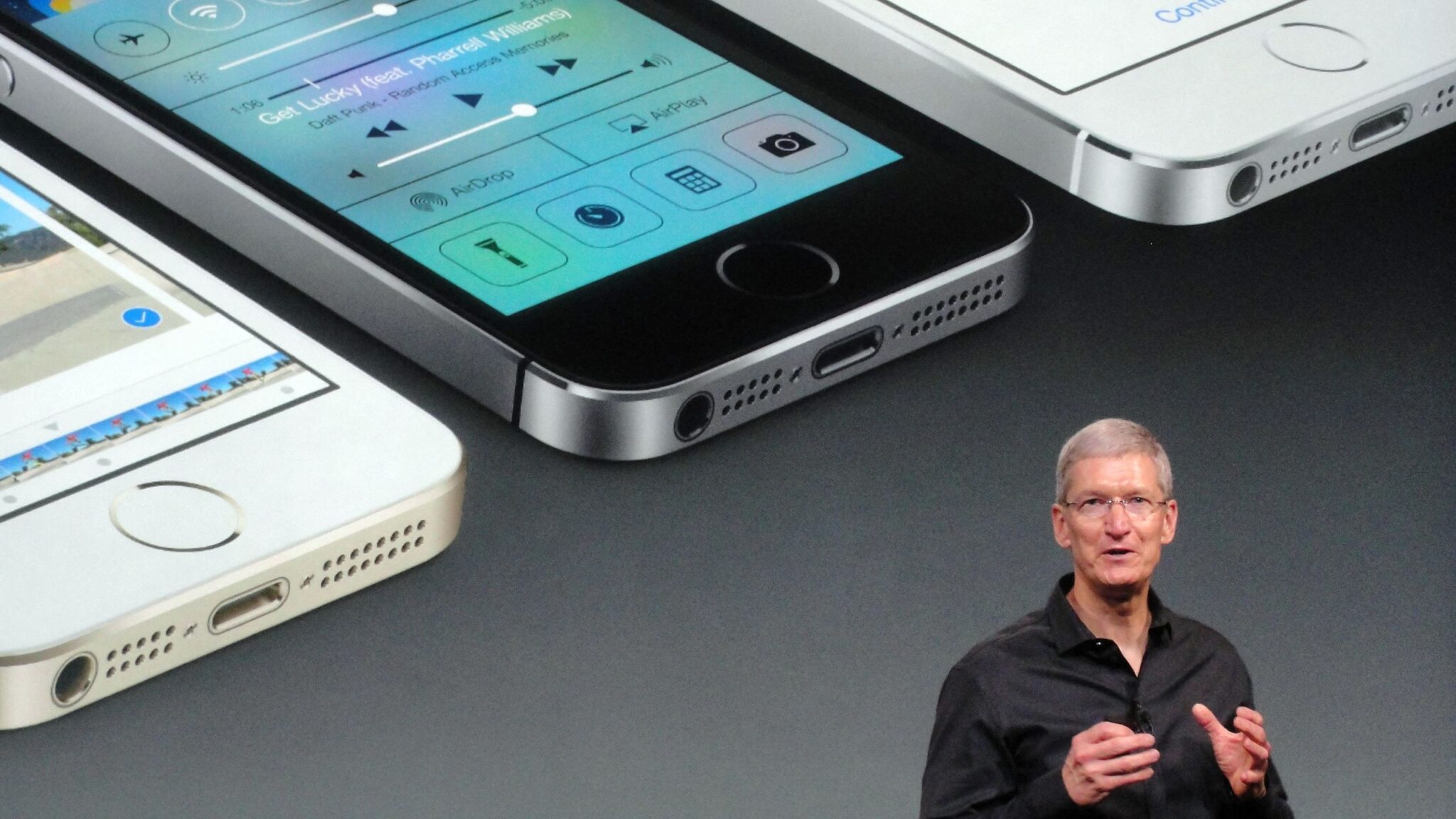
It’s fair to say there was some skepticism around Touch ID when Apple first unveiled it on the iPhone 5S, with some fans disappointed with its inclusion instead of features such as a larger screen or NFC.
Apple wasn’t the first to include a biometric scanner on a phone. Yet in 2013, fingerprint scanners weren’t prevalent among competitors, and those that had the feature either provided a cumbersome implementation that was difficult to use (hello HTC One Max), or failed to gain traction in the market (who remembers the Motorola Atrix?)
So Touch ID was in, something the iPhone 5S’ key competitors didn’t have. What the likes of the Galaxy S4 and HTC One did offer though were the larger screens and NFC connectivity some Apple fans were calling for.
However, perceptions around Touch ID quickly changed when the iPhone 5S started to land in people’s hands — including mine. When our unit arrived in the TechRadar office I fell in love with the technology, and I was jealous of my colleague reviewing it as I was charged with the Touch ID-less iPhone 5C review.
Touch ID just made sense. It fell seamlessly under my thumb and was easy to use. There was no complicated explanation or convoluted setup required — it did exactly what Apple promised, and it forced the rest of the market to play catch-up.
The great dilemma: face or finger
While I do miss Touch ID on the iPhone, I don’t miss the home button it was embedded in. I’m all for full-screen phones with minimal bezel, and under-screen fingerprint scanners dominate the Android phone market to facilitate this design. These days they work exceptionally well, too.
Apple’s reluctance to follow this trend and stick with Face ID is one of its more surprising moves, as the fingerprint technology is well established and there isn’t a cost barrier to speak of, as even many of the best cheap phones come with an under-screen digit reader.
Don’t get me wrong, Face ID works well, is popular with many iPhone users, and has its own advantages. It’s especially useful if your fingers are wet, dirty, or covered by gloves, but I find there’s something reassuring about the tactility of Touch ID — plus someone can’t just pick up your iPhone and hold it to your face to unlock.
Most of the time our phones are already in our hands, and require a finger to operate them, so having a fingerprint scanner available still makes sense from a practicality standpoint.
Many premium Android rivals offer both biometric options; under-screen fingerprint scanning, and facial recognition, giving the user the choice of which one to use. As someone who prefers fingerprint scanners, this is the route I choose when using Android devices.
Apple’s always been about simplifying choices, so offering just Face ID on the iPhone falls in line with the firm’s ‘our way or the highway’ style of doing things. I get it, but Touch ID hasn’t been phased out on Mac and iPad (not yet at least), which shows it’s a technology customers are familiar with and comfortable using.
There is potential light at the end of the tunnel though. Rumors that popped up around Apple’s 50th anniversary heavily suggested that we’ll see the iPhone Fold – Apple’ first foldable smartphone – launch later this year. And yes, it’s tipped to come with Touch ID.
The return I’ve been waiting for?
This is the common location on foldable phones, with the Samsung Galaxy Z Fold 7, Google Pixel 10 Pro Fold and Oppo Find N6 all featuring side-mounted power keys with a fingerprint scanner. It means the key is always accessible on the right side of the phone, whether you’re using the outer (folded) or inner (unfolded) display. An under-screen scanner, or Face ID, would require two sensors, one on each screen, which certainly feels like overkill.
Apple isn’t a stranger to this setup either, as you’ll find a ‘power key-Touch ID’ combo on recent models of the iPad, iPad Air and iPad Mini.
And look, I’m pleased Touch ID could be making a comeback, but I’ve had varying levels of success using these side-mounted scanners.
I have a fifth generation iPad Air, and the Touch ID sensor built into the power key can be hit-and-miss. Meanwhile, the under-screen scanners I’ve used on flagship phones in recent years have been flawless.
Then, later last year, rumors started to circulate that the foldable iPhone might offer a Touch ID scanner in the screen. My initial excitement over this development was swiftly quashed however, as Kuo was quick to refute these claims.
Six months ago, I predicted the foldable iPhone would use side-button Touch ID. There are now market rumors that it will adopt an under-display ultrasonic fingerprint sensor, but I think that’s unlikely. It’s expected that Luxshare ICT will supply the side-button Touch ID module… https://t.co/KsGu49JXkPSeptember 1, 2025
If the iPhone Fold does reintroduce Touch ID to the iPhone family later this year, it looks set to be a similar implementation to the one you’ll find on the non-Pro iPads (which now have Face ID), with the sensor built into the power button.
So long as the accuracy and speed can match the current crop of under-screen scanners, I’ll welcome the return of Touch ID with open fingers.
Follow TechRadar on Google News and add us as a preferred source to get our expert news, reviews, and opinion in your feeds. Make sure to click the Follow button!
And of course, you can also follow TechRadar on YouTube and TikTok for news, reviews, unboxings in video form, and get regular updates from us on WhatsApp too.
Read the full article here