


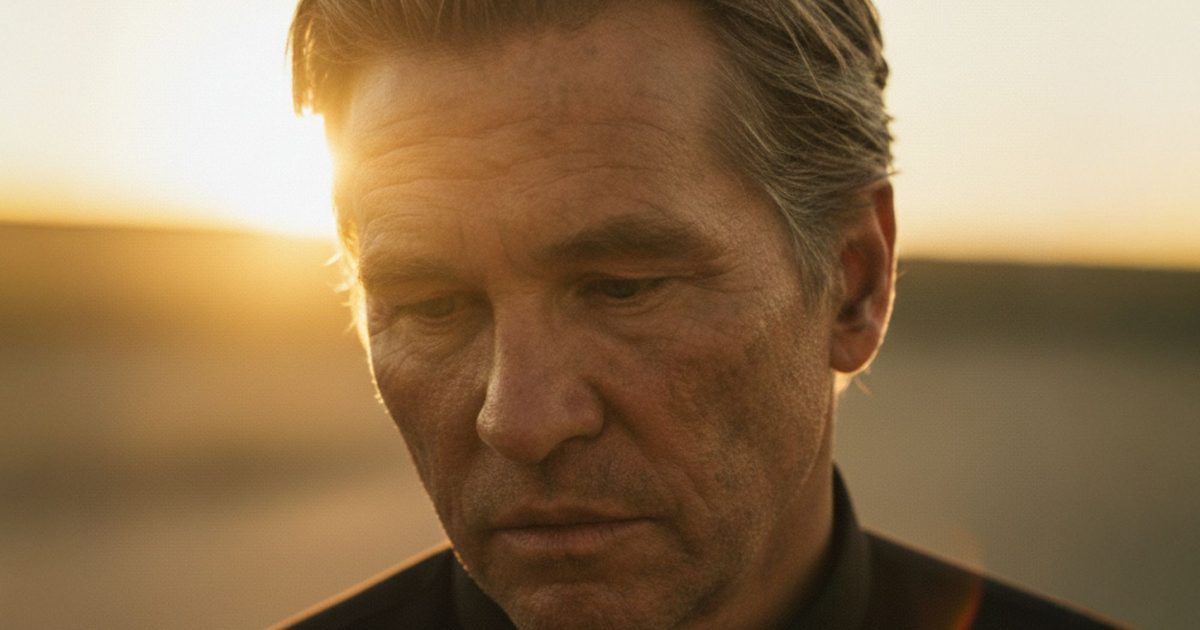

The use of generative AI in Hollywood has already sparked conversation around creativity and legacy. Now, an indie movie, As Deep as the Grave, is drawing attention for bringing Val Kilmer back to the screen using artificial intelligence.
Years before his death in 2025, Kilmer was cast by writer-director Coerte Voorhees, who shaped the role specifically for him. As Voorhees explained to Variety, “He was the actor I wanted to play this role. It was very much designed around him. It drew on his Native American heritage and his ties to and love of the Southwest.”
Why the film turned to gen AI instead of recasting
Kilmer’s battle with throat cancer meant he could never film his scenes. Even so, Voorhees chose not to abandon the character. He turned to generative AI, working closely with Kilmer’s family to complete the role with care.
That support played a key role in the decision. “His family kept saying how important they thought the movie was and that Val really wanted to be a part of this,” says Coerte Voorhees.
“He really thought it was important story that he wanted his name on. It was that support that gave me the confidence to say, okay let’s do this. Despite the fact some people might call it controversial, this is what Val wanted.”
Val Kilmer’s role in the movie As Deep as the Grave
The film, As Deep as the Grave, tells the true story of archaeologists Ann and Earl Morris in Canyon de Chelly, Arizona, as they explore Navajo history. It stars Abigail Lawrie and Tom Felton, with Wes Studi and Abigail Breslin in supporting roles.
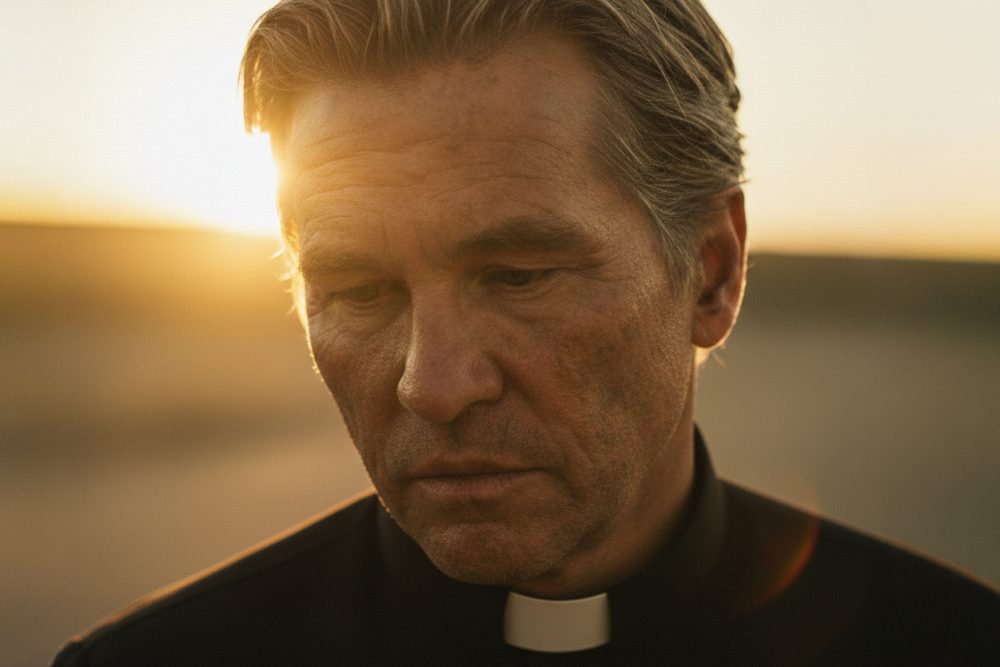
Val Kilmer’s character, Father Fintan, appears as a spiritual presence within this world. His performance is built using archival footage, family materials, and recordings from later in his life.
His voice has also been recreated using AI, similar to the technology used after his tracheal procedure, including when he reprised Tom “Iceman” Kazansky in Top Gun: Maverick.
The production itself took six years, facing delays due to Covid and budget issues. At one point, Kilmer’s scenes were removed entirely before the team realized the film felt incomplete without him. That led them back to generative AI as a solution.
The decision lands amid a growing debate around AI in filmmaking, as more creators openly discuss using the technology while actors raise concerns about consent and control.
Read the full article here