


The Samsung Galaxy S26 Ultra is official and has generally gone down well. It’s had a nip and a tuck to the design, an iterative update to the hardware, but there’s one feature that’s got tongues wagging: Privacy Display.
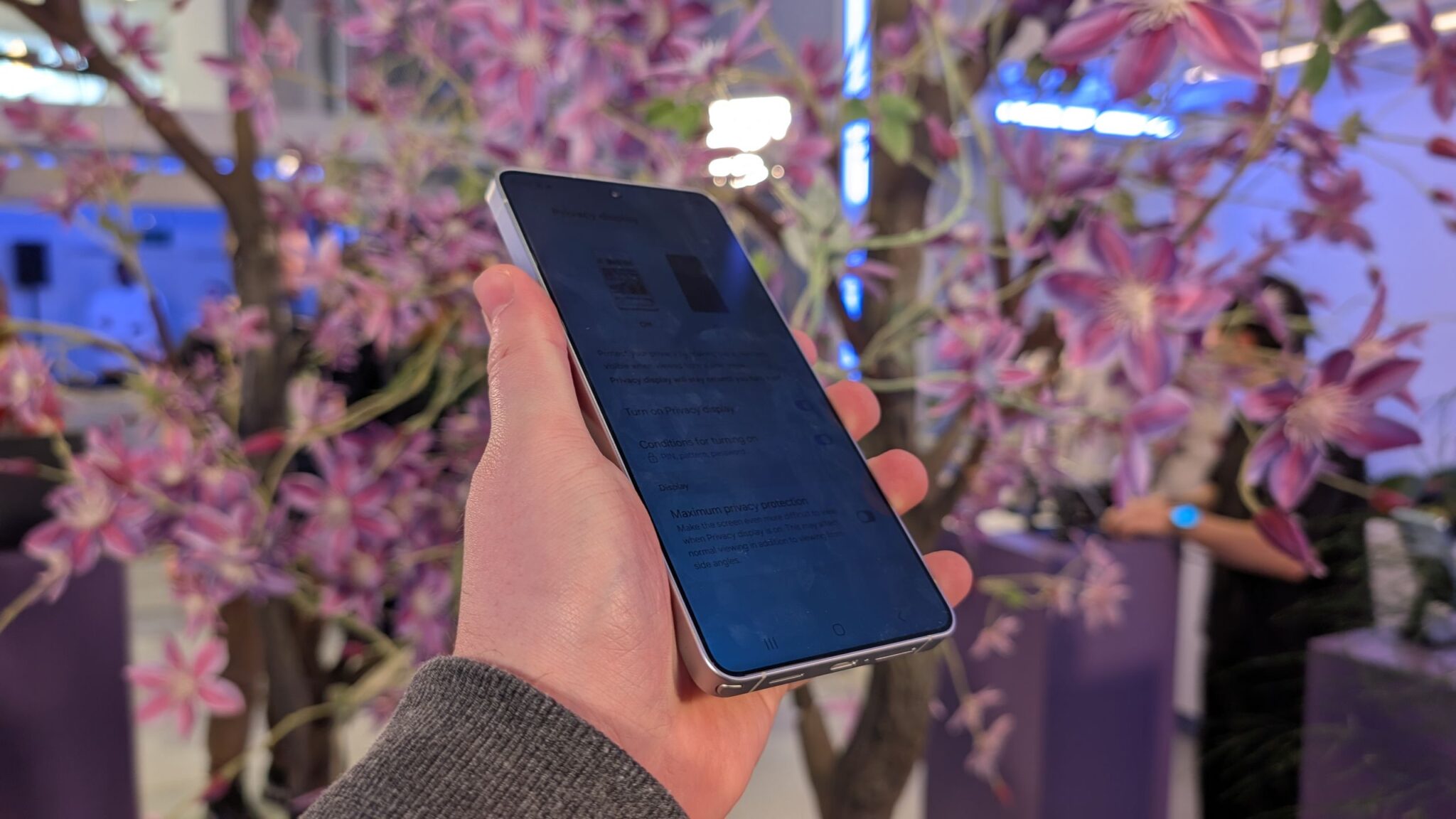
It’s essentially the only thing that’s new, using a combination of new hardware in the display and new software options. For those who haven’t heard about it, Privacy Display works by dimming the wide area pixels in the display to reduce the viewing angles, so the content on the screen is only available when looking head on.
Privacy Display: the next step in technoference
Over the past 30 years we’ve seen technology force its way into our lives. From the Bluetooth earpiece of the 2000s to smartphone lockscreens feeding us notifications, there’s been a meteoric rise in ‘technoference’, where technology interferes with human relationships.
Let’s set the scene:
You’re sitting in a restaurant across the table from someone special. The lights are dimmed, the mood is right – your eyes have locked, you’re gazing into each other’s soul. Then that phone on the table illuminates, a notification flashes onto the screen. The eyes dart away as the digital world crashes into that moment like AJ’s fist into Jake Paul’s jaw.
It’s a familiar situation and it sends one signal: whatever’s happening on the phone is more important than what’s happening in the room. It’s not just phones: with the launch of smartwatches, even when the phone remains in a bag or pocket, technology is always there.
How many times have you been talking to a friend as they keep glancing at their Apple Watch? Again, it breaks that spell, sending the message that you don’t matter. This is all about social etiquette and this is where Privacy Display might come unstuck.
Privacy Display: what are you hiding?
One of the clever things about Privacy Display is the ability to choose what you want to block. The options for passwords and PINs make perfect sense, while being able to select your banking app is great for keeping that sort of sensitive information private.
Then you have notifications; rather than those messages appearing so the person next to you can see who is sending you messages, this can also be blacked out. While you’ll see the message, that person across the table – or next to you on the couch – won’t be able to.
That’s great for privacy, but is that going to be great for your relationship?
You’re back sitting in that restaurant, lights dimmed, eyes locked, yadda yadda yadda. But this time when the screen illuminates it’s a black notification. It’s not just technoference, it’s private technoference. The owner of that phone has chosen to keep those details private. Why?
Perhaps it’s the babysitter, perhaps it’s an old school friend, perhaps it’s the ex…
Privacy can’t be an excuse for rudeness
When managing notifications, many people choose not to have bubbles or pop-ups, many choose not to have lockscreen notifications and not to have the screen illuminate. Some put their phone face down, some silence it and put it in a pocket. (Equally, many people have long since ditched notifications from smart watches because it’s just a bit too much, right?)
The danger that comes with Privacy Display is, that knowing that the information is hidden, some who may have previously turned off notifications or made pains to have the display off, might revert that behaviour. Knowing that no one else can read your WhatsApp notifications means you’re more likely to leave them in place.
While concealing private information is important, let’s all be mindful of the technoference that might come with that veil of privacy, and think about what it says to others in the room.
But if you must have private notifications, I’ve prepared the perfect excuse for you: “It’s just my bank telling me my account is overdrawn.”
Follow TechRadar on Google News and add us as a preferred source to get our expert news, reviews, and opinion in your feeds. Make sure to click the Follow button!
And of course you can also follow TechRadar on TikTok for news, reviews, unboxings in video form, and get regular updates from us on WhatsApp too.
Read the full article here