




- Six skiers were rescued from an avalanche thanks to an iPhone feature
- They used Emergency SOS via Satellite to contact rescue workers
- The feature can be a lifeline if you don’t have any cell service
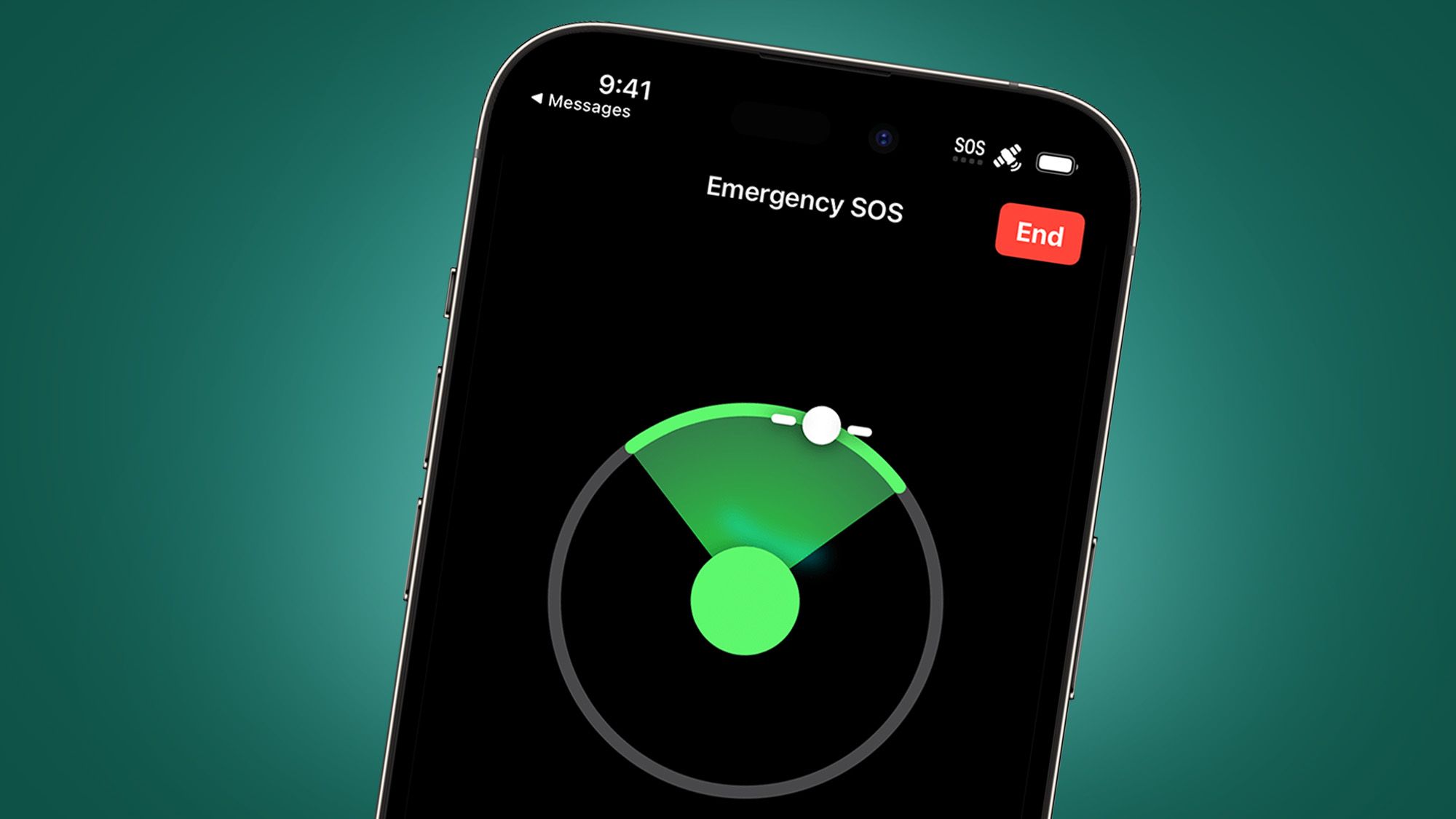
Apple likes to tout its devices’ emergency features, saying they frequently save lives and get people out of sticky situations. And it’s not all marketing bluster either, as six skiers who were recently rescued from an avalanche at Lake Tahoe relied in part on Apple’s Emergency SOS via Satellite feature to get them to safety, according to emergency services.
According to the New York Times, the avalanche survivors were able to communicate with first responders using an emergency beacon and the Emergency SOS via Satellite feature present in the iPhone 14, 15, 16 and 17 series. Sadly, nine skiers died when the avalanche hit the group five days ago, but the survivors used the tech to eventually reach safety.
When activated, Emergency SOS via Satellite lets you connect your phone to a satellite when you are in an area that lacks cell coverage. Once that happens, you can then use the satellite connection to contact emergency services.
After being caught in the avalanche, the surviving skiers used Emergency SOS via Satellite to message the Nevada County Sheriff’s Office.
“One of my personnel was communicating with one of the guides over a four-hour period, giving information back to the Nevada sheriff’s office and coordinating what rescues could be permitted,” said Don O’Keefe, law enforcement chief at California’s Office of Emergency Services. Eventually, all six skiers were rescued.
How the feature works
Apple introduced Emergency SOS via Satellite with the iPhone 14 in 2022. It works automatically and you don’t need to take any extra steps to set it up. For instance, if you want to call 911 when you are in an area with no cell service, just place the call as you normally would – your phone will connect to a satellite as soon as possible and route the call that way.
Note that in order to connect to a satellite, you’ll need to be outside with a clear view of both the sky and the horizon. Make sure your surroundings are not obstructed by hills, tall buildings and the like.
It also only currently works in a limited number of countries. Those are the US, UK, Australia, Austria, Belgium, Canada, France, Germany, Ireland, Italy, Japan, Luxembourg, Mexico, the Netherlands, New Zealand, Portugal, Spain and Switzerland. Still, that’s a pretty good start and contains some of the world’s most popular skiing and adventure spots.
Emergency SOS via Satellite can also be used to share important information with first responders – such as key medical details – and this can be enabled by opening the Health app, tapping your avatar in the top-right corner, then navigating to Medical ID.
You can also use Emergency SOS via Satellite to text first responders instead of calling them. You can do this by opening the Messages app, entering your local emergency services number, then tapping Emergency Services. Alternatively, you can try calling 911 or your equivalent number, then tapping Emergency Text via Satellite. In both cases, you’ll need to tap Report Emergency and follow the on-screen prompts to describe your situation.
In the case of the six avalanche survivors at Lake Tahoe, Apple’s Emergency SOS via Satellite feature proved invaluable in guiding emergency workers to their location and helping to evacuate them from the area. If you’re considering heading out into the wilderness where cell service might be scarce, it’s a good idea to bring your recent iPhone along for the ride, just in case.
Follow TechRadar on Google News and add us as a preferred source to get our expert news, reviews, and opinion in your feeds. Make sure to click the Follow button!
And of course you can also follow TechRadar on TikTok for news, reviews, unboxings in video form, and get regular updates from us on WhatsApp too.
Read the full article here