


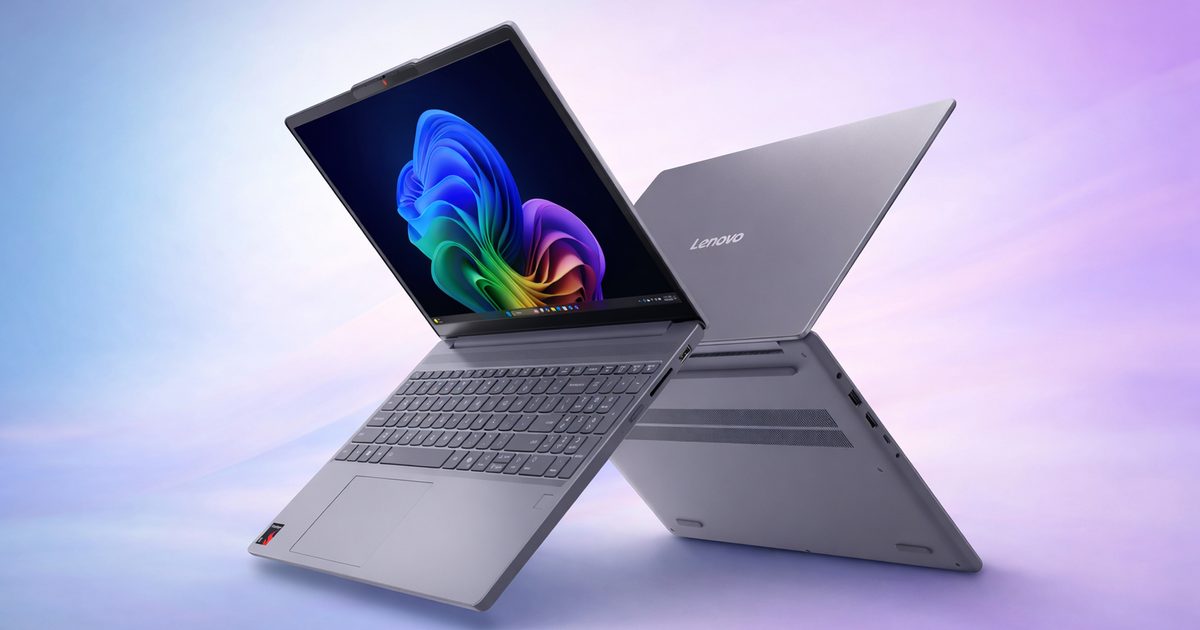

Buying a new PC is getting more expensive, and Lenovo says the pressure is not easing anytime soon. The company has begun raising prices in some markets and is warning that a prolonged shortage of memory chips could continue to disrupt pricing and availability well beyond the near term.
According to Reuters, Lenovo says rising memory costs are creating real strain on the PC business. Memory chips are harder to secure, and price volatility is making it tougher to plan production.
Even where demand remains steady, shortages mean fewer parts are available at predictable prices, forcing companies to pass some of those costs on to buyers. Intel’s CEO recently echoed the same warning that the memory shortage is unlikely to ease anytime soon, sharing concerns that higher prices could stick around longer than expected.
A Bloomberg report adds important context to why the pressure is intensifying now. Lenovo’s recent sales exceeded expectations, partly because customers rushed to buy PCs ahead of anticipated memory price increases.
That rush helped boost Lenovo’s revenue in the short term, but executives warn that it does not reflect healthier long-term supply conditions.
Why memory is the real bottleneck
The core problem lies in where memory chips are going. Memory makers are prioritising supply for AI servers and data centres, where demand is booming, and margins are higher.
That has reduced the supply of standard DRAM and NAND used in laptops and desktops, reducing the availability for PC makers.
Lenovo has tried to protect itself by stockpiling memory and other key components and holding significantly higher inventory than usual. It helps keep production running, but it is not a long-term fix if shortages persist.
And it’s not just RAM prices that could stay high; experts warn that SSD storage costs might also rise, putting more pressure on overall PC pricing.
Reuters notes that analysts expect memory constraints to continue through 2026, keeping costs elevated across the hardware market. For consumers, that could mean fewer discounts and higher PC prices.
For Lenovo and other PC makers, it means navigating a market where AI demand is reshaping the economics of everyday computing. If you’re planning an upgrade, here are some better ways to optimize your existing memory.
Read the full article here