
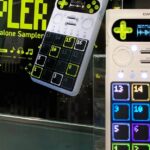



Activision is trying to crack down on third-party hardware cheating devices in Call of Duty again. Both Call of Duty: Warzone and Call of Duty: Black Ops 7 have been plagued by players using devices like XIM, Cronus Zen, and ReaSnow S1 to enable unfair advantages that exploit aim assist, and now Activision is introducing new detections to ban the devices.
“These devices are not permitted in Call of Duty,” says Activision’s Richochet team. “They are cheating tools, even if they masquerade as accessibility devices.” Activision originally cracked down on these devices in Call of Duty: Warzone and Call of Duty: Modern Warfare II nearly three years ago, with mixed results.
“Stopping these devices takes more than looking for a specific piece of hardware because they are designed to hide, adapt, and change configurations to avoid simple detection,” says Activision. It’s a constant game of cat and mouse for anti-cheat developers, especially when these devices are regularly updated by the manufacturers and sold at big retailers.
Activision is now updating its detection software to focus on player inputs, rather than attempting to detect the actual devices. “We analyze input timing, consistency, and response patterns to distinguish natural human play from machine-modified input,” says Activision. “This allows us to identify recoil control, aim behavior, and input precision that exceed what is physically possible through a standard controller or mouse.”
These new third-party device detections will be introduced alongside season 2 of Call of Duty: Black Ops 7 later this week. Microsoft-owned Activision is also introducing stronger cloud-based anti-cheat technology, which verifies a PC using Microsoft Azure Attestation to prevent attempts to bypass system-level security protections. This stronger detection is coming first to Ranked Play matches, and builds on top of the existing TPM 2.0 and Secure Boot requirements.
Read the full article here