



After years of steady progress, 2025 was a major speed bump for EVs. The Trump Administration’s decisions to cancel the federal EV tax credit and curtail emissions standards, while putting extra pressure on automakers with tariffs, brought an end to the era of unbridled EV optimism. Automakers stopped talking about electrifying their U.S. lineups, postponed some new EVs and canceled others, like the Ram 1500 REV. But the auto industry is slowing down, not reversing course. The new year is still slated to see some major EV launches. These were the ones still most likely to happen, and most likely to make a big impact.
BMW iX3
The iX3 SUV is the first of BMW’s next-generation EVs, dubbed the “Neue Klasse” which, appropriately enough, is German for “new class.” The underlying platform and powertrain see efficiency improves that, combined with new-to-BMW cylindrical battery cells, should provide up to 400 miles of range. And because the iX3 can DC fast-charge at up to 400 kilowatts, it can also recover up to 230 miles of range in 10 minutes of charging, BMW claims. A streamlined electrical architecture cuts weight while providing better integration of chassis-control systems and driver aids. Inside, a dashboard-spanning panoramic display and new head-up display take the infotainment system to the next level.
Chevrolet Bolt EV
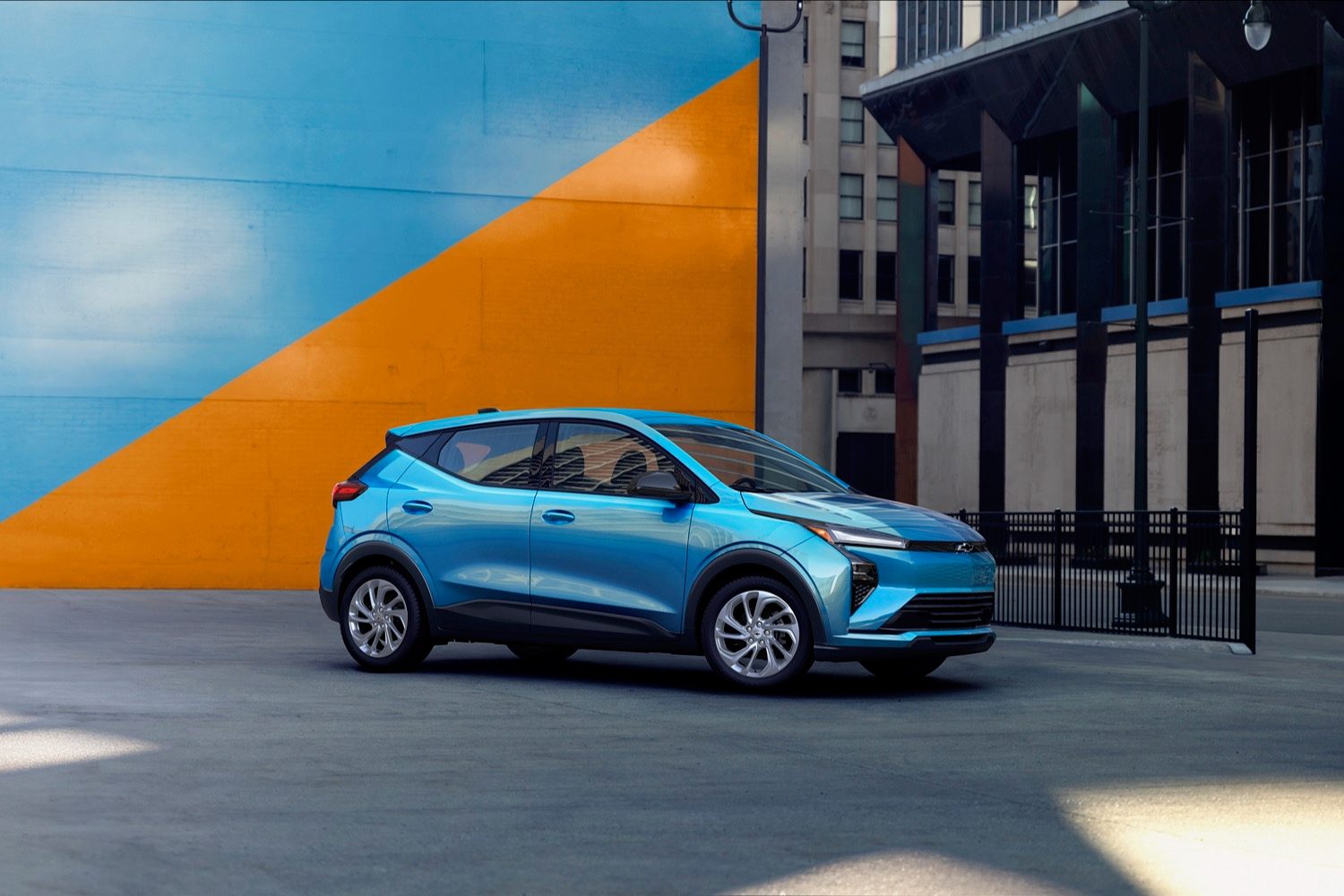
Launched as a 2017 model, the Bolt EV was watershed moment because it combined substantial range with affordable pricing. That combination proved so popular that General Motors had to resurrect this little hatchback. The Bolt is back as a 2027 model with new lithium iron phosphate (LFP) battery chemistry to keep costs down, making possible a $29,990 for the Bolt LT trim level that will be available at launch. A $28,995 version will arrive later in the model year. Chevy expects 255 miles of range and much quicker charging speeds with a new North American Charging Standard (NACS) port allowing access to Tesla Supercharger stations.
Honda 0 Series SUV
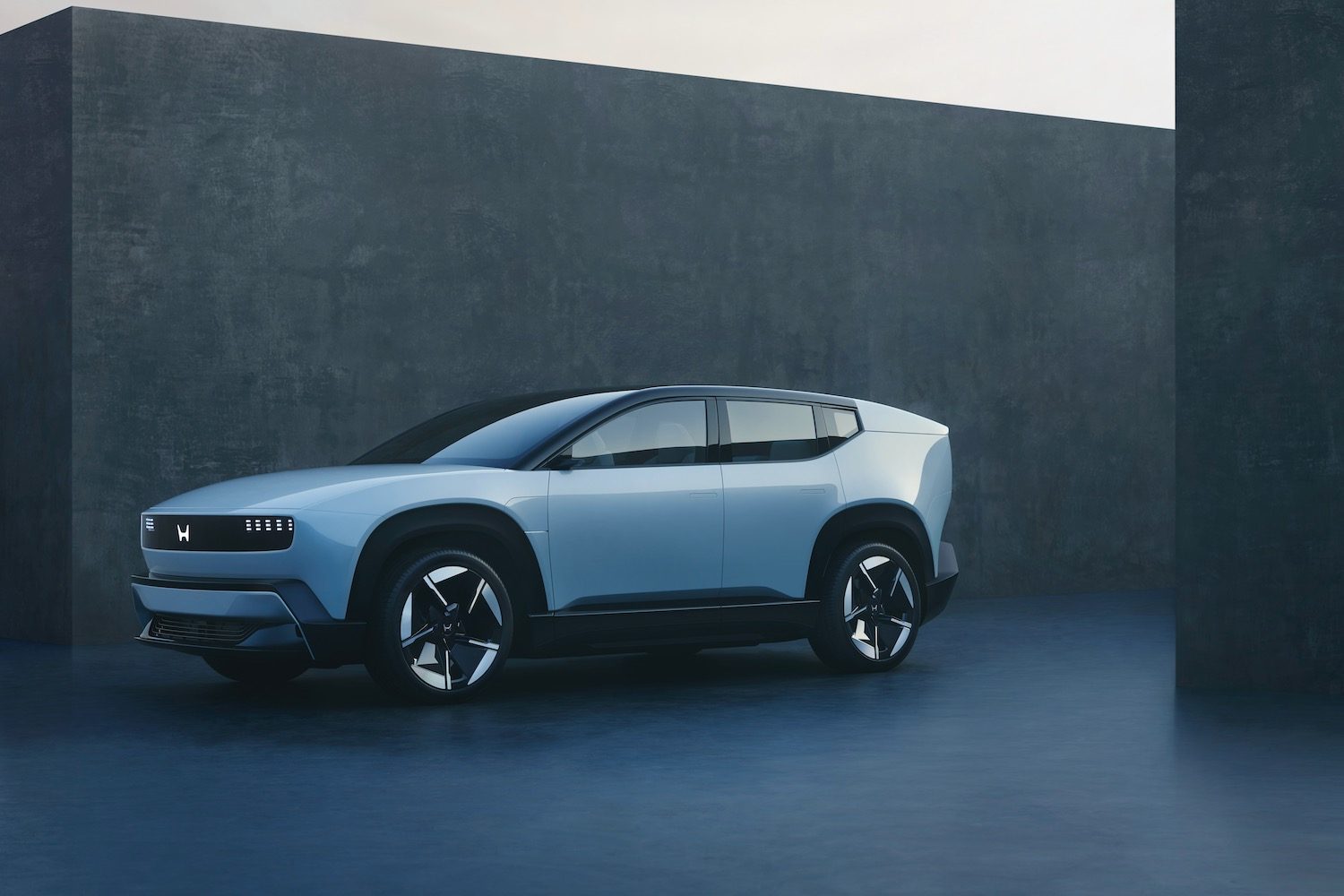
After borrowing General Motors hardware, Honda is launching its own dedicated EV platform with three models across multiple brands. The Acura RSX replaces the short-lived ZDX at Honda’s luxury brand, and the Afeela 1 finally gets the Sony Honda Mobility joint venture going, but it’s the SUV based on the prototype Honda showed at CES 2025 that will be the most significant. Due later in the year, its Honda price point and boxy body style give it the largest possible audience. Honda hasn’t revealed many technical details, but the platform is expected to offer better packaging than other EV architectures, with a thinner battery pack. The SUV will be the first of a line of Honda-badged EVs dubbed the 0 Series, although Honda may cut volumes for the U.S. in response to the current political situation.
Mercedes-Benz GLC with EQ Technology
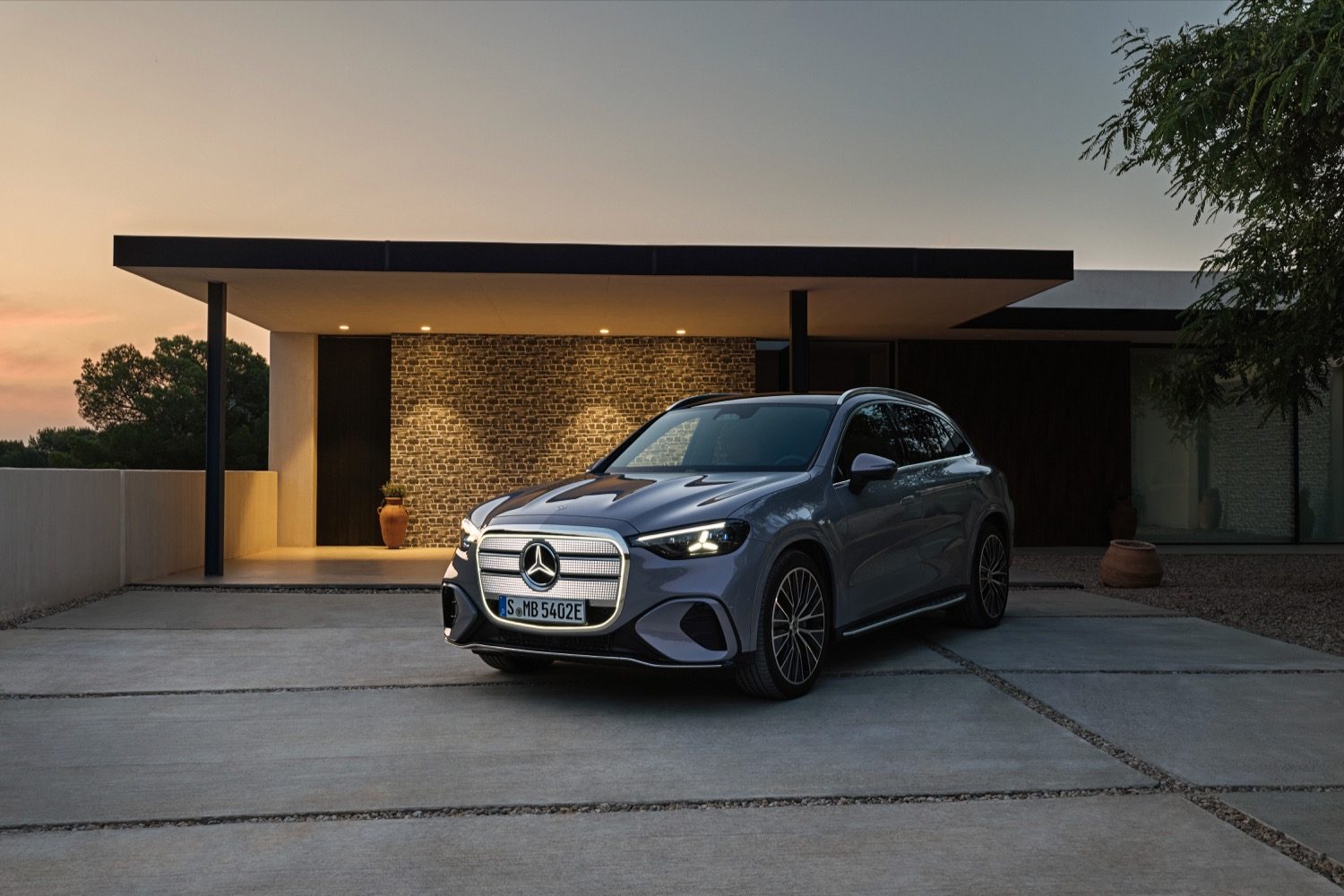
Unlike rival BMW, Mercedes plans to continue offering gasoline and electric powertrains in the same models. That approach worked well with electric versions of the G-Class and CLA-Class, and now Mercedes is applying it to its bestselling model, the GLC-Class SUV. While it’s not a clean-sheet design like the BMW iX3, the GLC with EQ Technology is still expected to offer more than 400 miles of range, and quick charging that can recover 188 miles of range in 10 minutes. It also gets air suspension and rear-axle steering previously reserved for pricier models, an enormous 39.1-inch dashboard display, and a grille that doubles as a disco ball.
Porsche Cayenne Electric
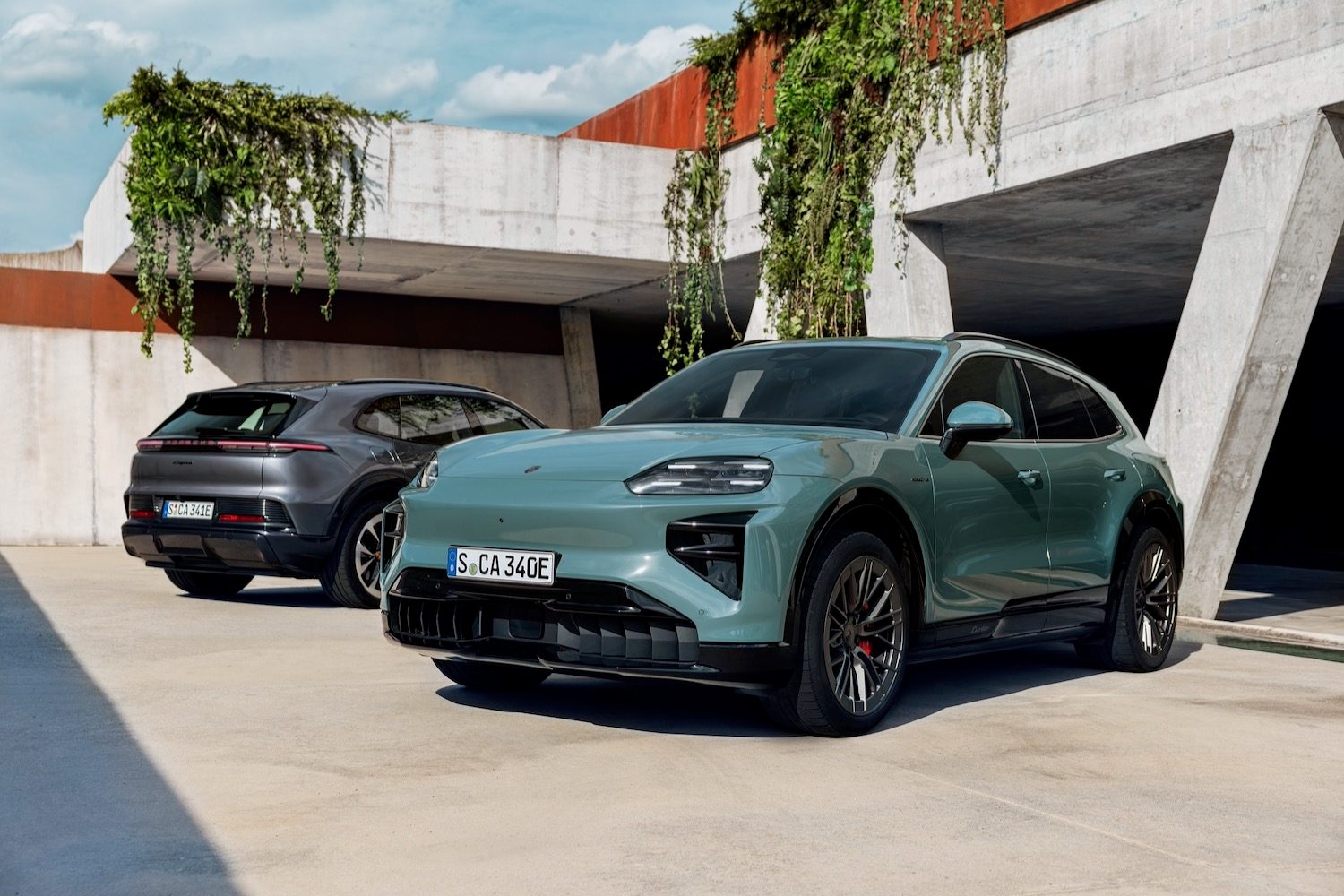
After finding its footing with the Taycan and Macan Electric, Porsche is going all-out with an electric version of its first SUV. From power, to charging tech, to screens, the Cayenne Electric has the most of everything. It launches in Cayenne Electric and Cayenne Turbo Electric specs, with the latter boasting 1,139 horsepower and capable of sprinting from zero to 60 mph in a manufacturer-estimated 2.4 seconds. The Cayenne Electric can also DC fast charge at up to 400 kW, accomplishing a 10%-80% charge in an estimated 16 minutes. It will also be the first volume-production EV with factory-installed wireless charging, and debuts an elaborate new infotainment system with three screens, giving it the most screen area of any Porsche to date.
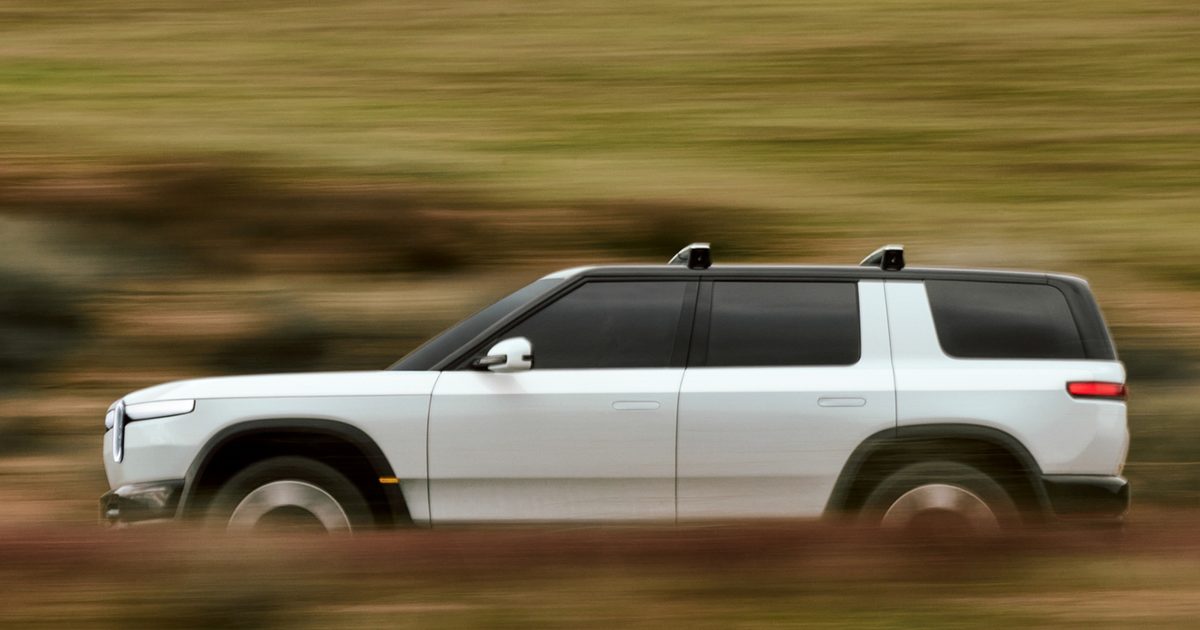
Rivian R2
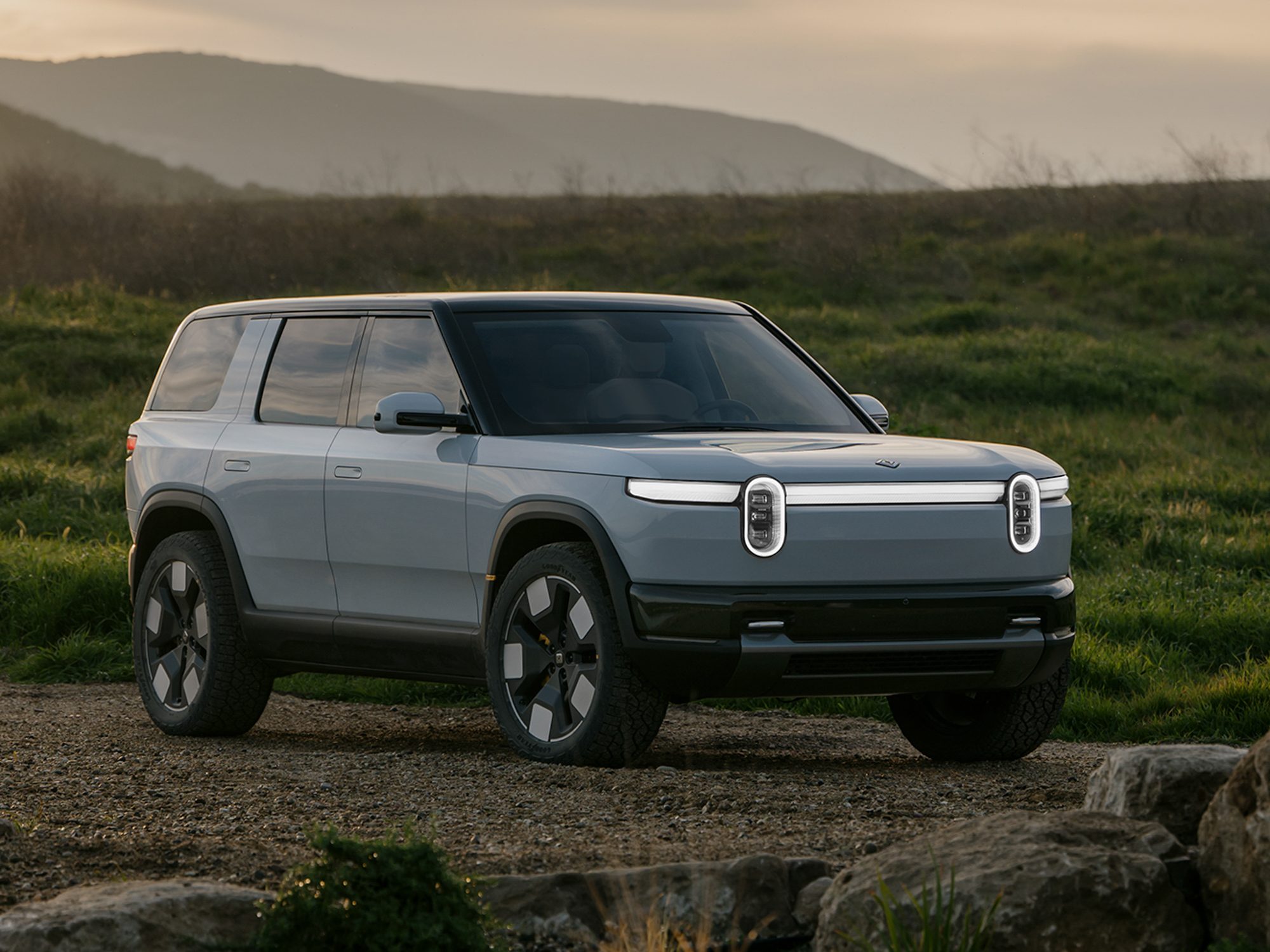
It’s been nearly two years since the Rivian R2 was first shown, but it should be worth the wait. Targeting a base price of $45,000, this electric SUV will be the first truly mainstream vehicle from the brand that brought you the R1S SUV and R1T pickup truck. They wowed journalists and customers alike with their off-road capability and software savvy, but aren’t exactly affordable. The R2 addresses that in a very functional package, with an estimated range of about 300 miles, zero to 60 mph in under 3.0 seconds, and a footprint similar to that of a Tesla Model Y.
Slate
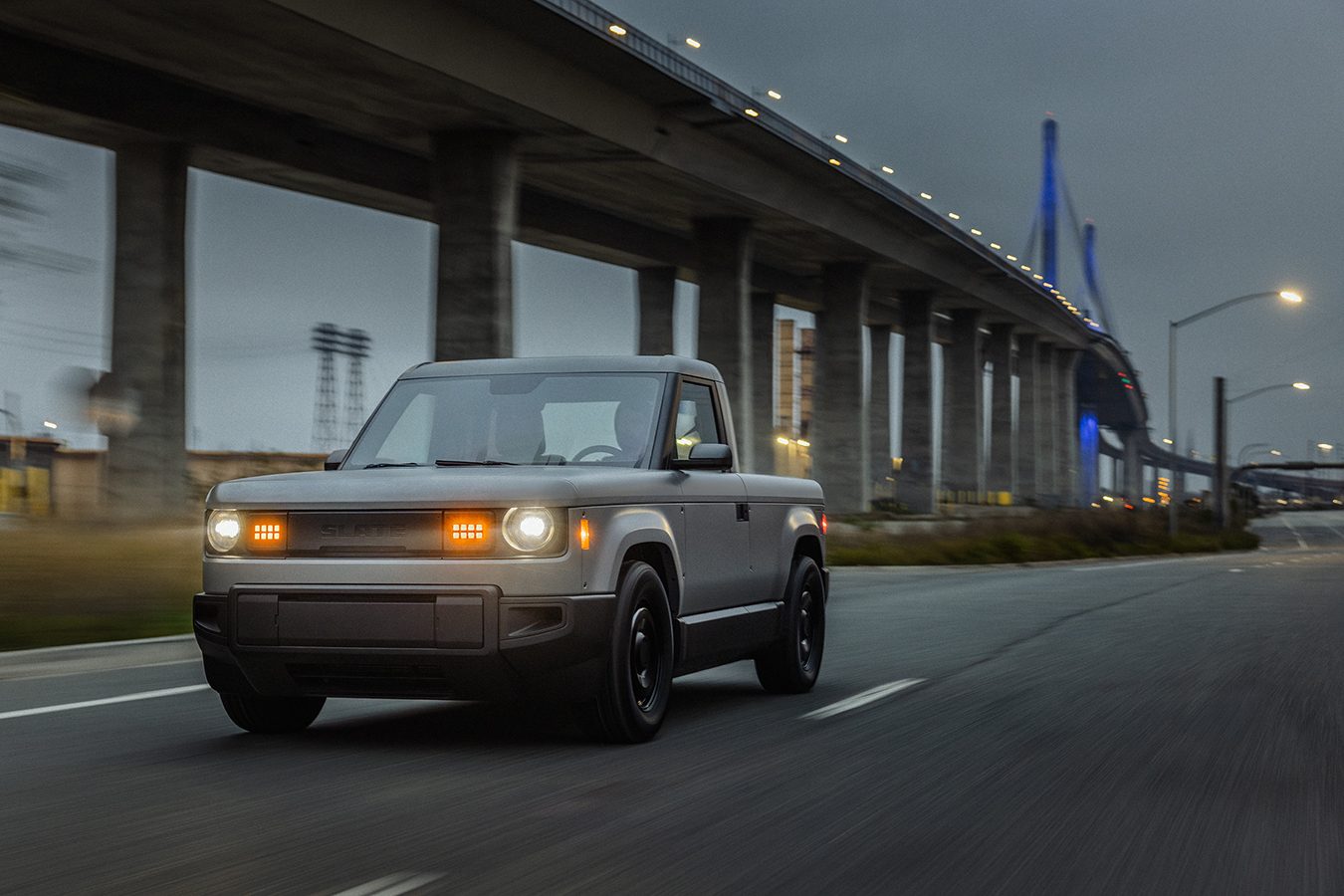
Considering that Slate is a newcomer and doesn’t expect to have production at its new factory (a former printing plant in Indiana) up and running until later in the year, it’s possible that the startup’s electric pickup truck won’t reach customers during 2026. But if it does, the Slate truck will be one of the biggest EV launches of the year. In order to achieve a base price of around $25,000 it’s been made as basic as possible. Your phone is the infotainment system, and even power windows are reserved for a lengthy option list that also includes a kit to convert the two-door pickup into an SUV and vinyl wraps to dress up the unpainted composite body panels. A single motor sends 201 hp to the rear wheels, and range is estimated at 150 miles or 240 miles depending on which-size battery pack you choose.
Subaru Trailseeker
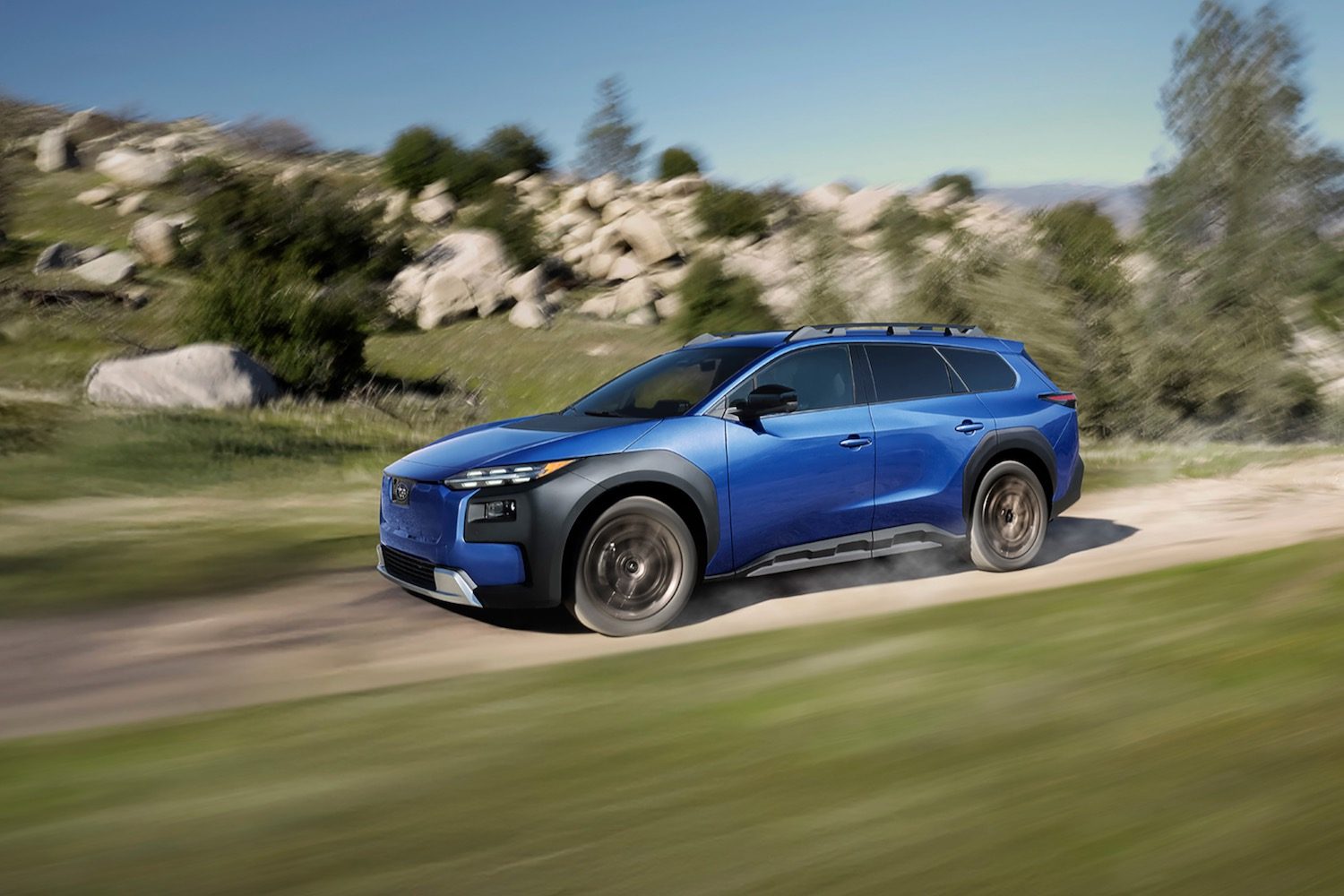
The Trailseeker won’t be Subaru’s first EV, but it will be the first one worth caring about. While the Solterra gave Subaru an entry into the heart of the EV market, the Trailseeker lives up to its name with a wagon-like shape that recalls Subaru’s trademark Outback and helps the Trailseeker stand out in a sea of crossovers. The 375-hp Trailseeker will also do zero to 60 mph in a claimed 4.4 seconds, making it quicker than your vape-happy cousin’s WRX. It also offers up to 280 miles and starts at around $40,000.
Subaru is also introducing the smaller Uncharted EV with a lower base price, but that means forgoing the automaker’s signature all-wheel drive. Both the Trailseeker and Uncharted will also have Toyota twins — the bZ Woodland and C-HR, respectively — but the larger automaker has been less firm on launch timing.
Read the full article here