




Researchers have unveiled a new AI video generation technique called TurboDiffusion that can create synthetic videos at near-instant speed. It can generate AI video up to 200 times faster than with existing methods, without sacrificing visual quality.
The work is a joint effort between ShengShu Technology, Tsinghua University, and researchers affiliated with the University of California, Berkeley. According to its developers, the system is designed to dramatically cut the time it takes to generate video, a process that has traditionally been slow and computationally expensive.
TurboDiffusion sets a new speed benchmark
When tested on a consumer PC equipped with Nvidia’s RTX 5090 graphics card, TurboDiffusion reduced the time required to generate a 5-second standard-definition video clip from more than three minutes to just 1.9 seconds. For high-definition clips of the same length, the time dropped from nearly 80 minutes to just 24 seconds, representing a roughly 200x improvement.
Current tools like Shengshu’s Vidu and OpenAI’s Sora still take several minutes to generate short video clips. Instead of waiting hours to render short clips, creators could generate usable video in seconds or minutes.
TurboDiffusion can tackle a major bottleneck in AI video generation by sharply reducing compute time. This speedup could unlock faster workflows across animation, filmmaking, and content creation, without compromising on quality.
What near-instant AI video means next
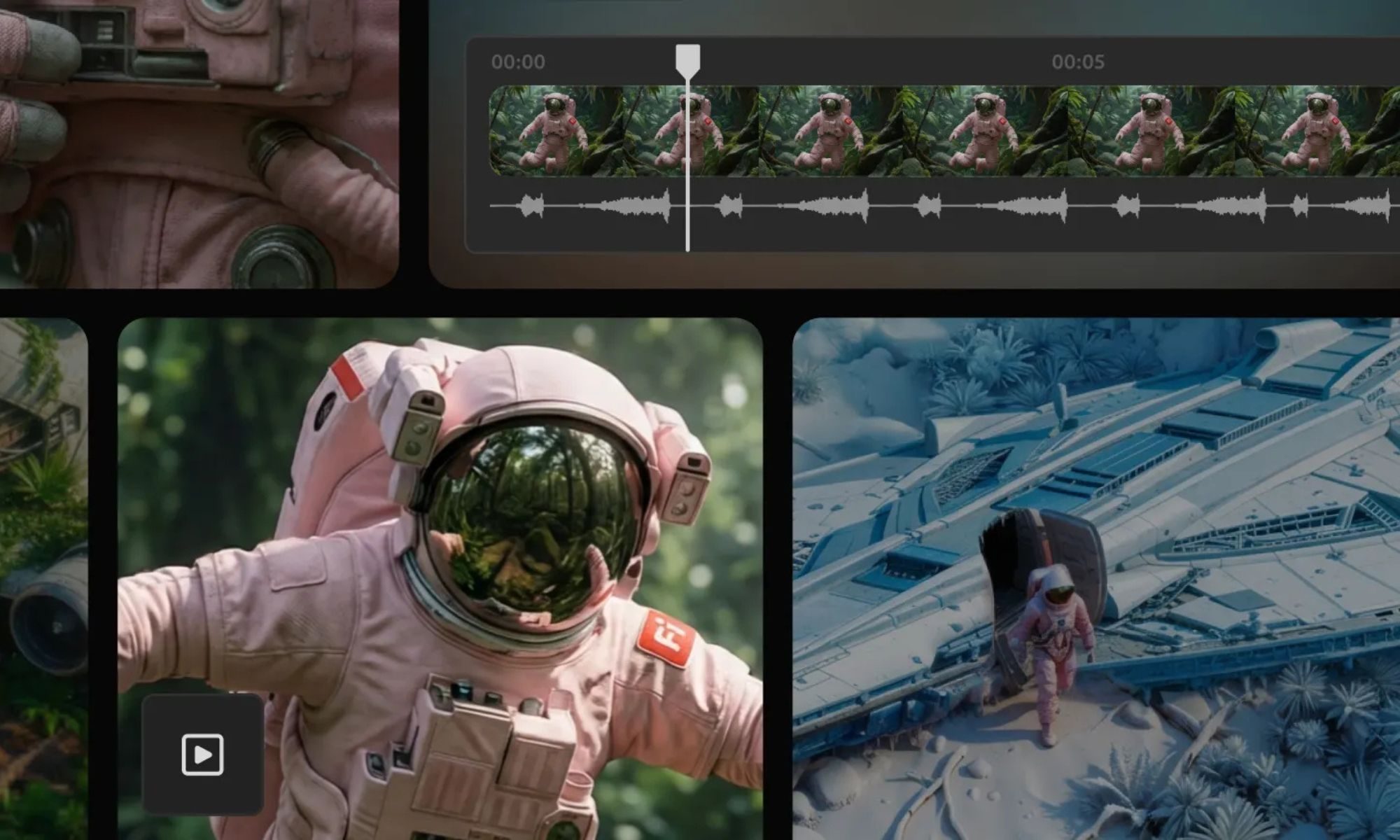
This breakthrough also suggests that the era of real-time or near-instant AI video creation may be closer than many expected. But it also raises familiar concerns. Faster video generation can also increase the onslaught of deepfake-style content.
As AI-generated video becomes quicker and cheaper to produce, questions around verification, misuse, and safeguards are likely to intensify, especially on platforms that are already struggling with AI slop.
TurboDiffusion arrives as other AI video tools are evolving. Google’s Flow video creator adding deeper creative controls, and Adobe’s Firefly expanding into text-based video editing and native video generation inside Premiere Pro, underscore how fast the space is moving.
Read the full article here