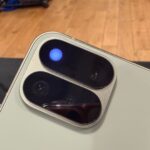





Smart glasses are supposed to make it easier to capture moments without pulling out your phone. But when that moment happens to be the latest movie playing inside a theater, things get a little more complicated. Cinemas across the UK are considering restrictions on camera-equipped smart glasses, including Meta’s Ray-Ban, over concerns that people could use them to secretly record and pirate movies.
The UK Cinema Association (UKCA), which represents cinema operators across the country, says some venues are looking at policies that would either restrict or completely prohibit camera-enabled glasses. There don’t appear to be any widespread bans among its members yet, but that could change as smart glasses become more common.
Smart glasses create a new headache for movie theaters
Piracy has always been something cinemas have had to worry about, but smart glasses make the problem particularly awkward. Someone holding up a smartphone or camera during a movie is relatively easy to spot. A pair of glasses sitting on someone’s face? Not so much. Meta’s glasses do have a privacy feature designed to make recording more obvious. An LED on the front flashes while the camera is being used, and Meta says it has safeguards intended to prevent people from simply covering the light and recording unnoticed.
That hasn’t completely eased concerns around the technology, though. People have already complained that they were filmed without realizing it, and smart glasses have faced resistance elsewhere in the UK. ATG Theatres, for example, doesn’t allow filming during performances and says customers wearing smart glasses may be asked to remove them. Wetherspoons has also criticized camera-equipped glasses, with CEO Tim Martin arguing that people shouldn’t be able to record customers or staff without permission. Movie theaters now have another reason to be cautious: a pair of glasses could potentially become a hands-free camcorder pointed at the screen for an entire movie.
But banning them isn’t quite that simple
There’s another side to this story, because smart glasses aren’t only tiny cameras strapped to someone’s face. Meta argues that its glasses can be genuinely useful, particularly for blind and low-vision users. Features such as live translation and hands-free assistance can also make the technology more accessible in situations where constantly reaching for a phone isn’t practical. The UKCA acknowledges this, too. Smart glasses could potentially help moviegoers with accessibility needs, including by providing personalized subtitles. A blanket ban could therefore remove something genuinely useful while trying to solve the piracy problem.

That leaves cinemas with a surprisingly tricky balancing act. They need to protect movies and the privacy of everyone inside the theater without unnecessarily shutting out people who rely on the technology. The UKCA says this is still a developing issue and that policies will need to remain proportionate as the technology evolves. But with smart glasses becoming increasingly capable, cinemas may soon have to decide whether your next trip to the movies includes leaving them at home.
Read the full article here