





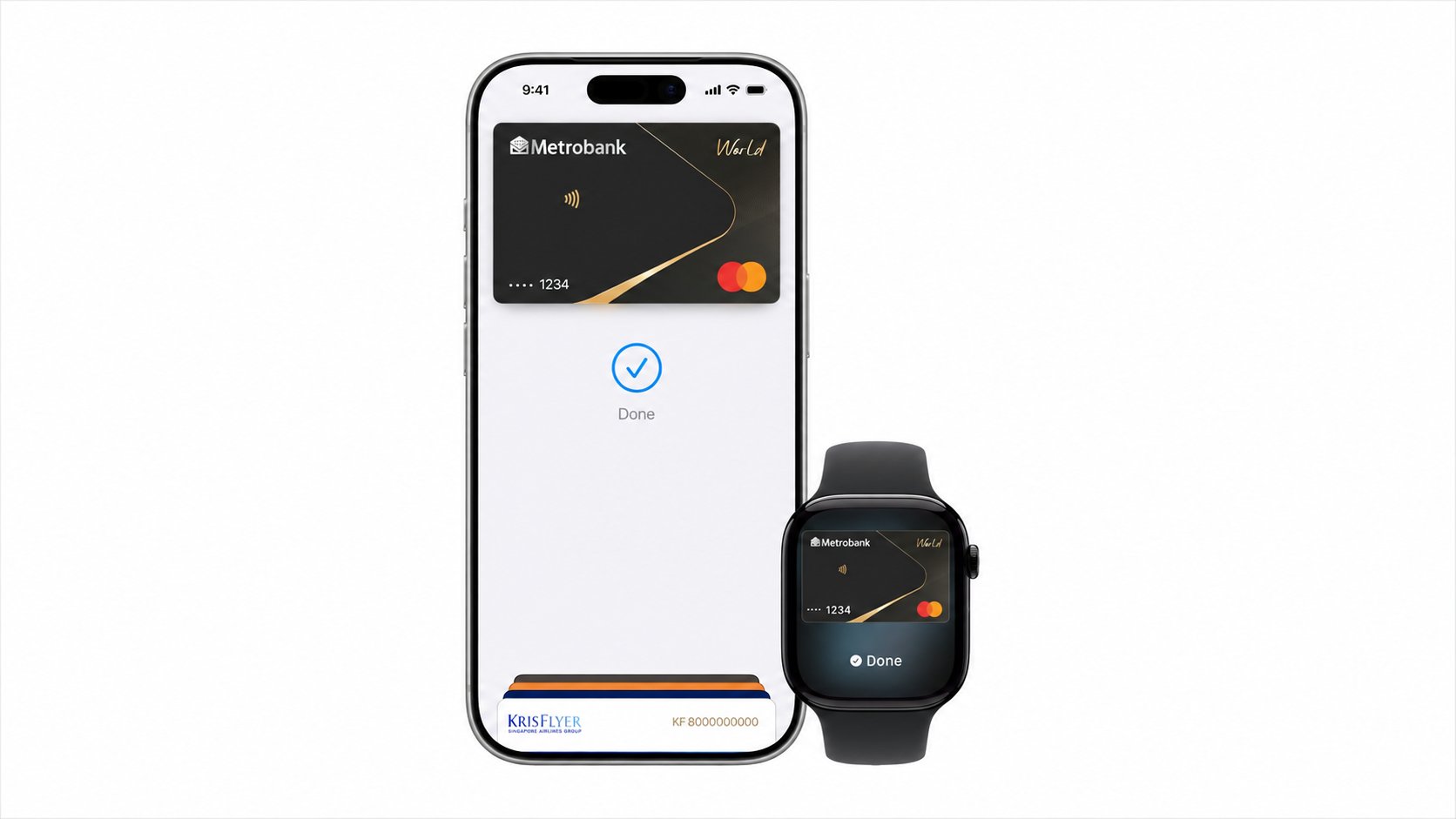

A payment app can be global and still stop at the border. Apple Pay launched in the Philippines in early August 2026, bringing the service to a market where digital payments were already widely used.
At launch, eligible Visa and Mastercard debit, credit, and prepaid cards from Chinabank, GoTyme Bank, Metrobank, and UnionBank were supported. The rollout highlights a basic constraint of digital payments: downloading an app does not guarantee that every customer, bank, or merchant can use it.
Apple Pay is available in more than 90 countries and regions and works with more than 11,000 banking partners worldwide, according to Apple’s Philippine launch announcement. Access still depends on participating financial institutions, eligible cards or accounts, merchant acceptance, and the payment infrastructure carrying each transaction.
The Philippines was hardly starting from zero. Digital payments accounted for 57.4% of retail transaction volume in 2024, up from 52.8% in 2023, according to the Bangko Sentral ng Pilipinas. Strong digital-payment adoption does not automatically bring every global wallet into a market.
The app is only one layer
Behind a payment app sit card issuers or wallet providers, payment networks, merchant-acquiring systems, and infrastructure for clearing and settling transactions. New products such as Alipay’s AI Wallet and Token Pay add another layer by allowing AI agents to initiate parts of the payment process within defined user controls.
Four factors largely determine whether a payment service works for a particular user: provider participation, customer eligibility, merchant acceptance, and interoperability. Merchant support can also depend on physical infrastructure, with contactless payments requiring compatible readers or Tap to Pay in some checkout setups.
Control of the underlying infrastructure is also becoming a policy issue. Europe’s proposed digital euro would introduce a public payment option alongside existing commercial payment systems, adding another model for how digital transactions can be routed and governed.
Southeast Asia is linking its payment networks
Southeast Asian central banks are increasingly connecting national payment systems. The number of live payment linkages involving ASEAN member states rose from 18 in January 2025 to 29 by the end of that year, according to Bank Negara Malaysia. Those connections include QR payments and person-to-person transfers.
Indonesia’s QRIS Cross-Border system shows how those links work in practice. Indonesian travelers can use participating domestic payment apps with partner QR networks including Malaysia’s DuitNow QR, Thailand’s PromptPay, and Singapore’s NETS QR. Bank Indonesia’s provider listings show that participating payment providers still vary between connected markets.
Regional connectivity does not guarantee universal compatibility. Organizations deploying payment platforms across Southeast Asia still need to verify participating institutions, supported payment rails, and merchant acceptance in each market, or risk rolling out services customers cannot reliably use.
Read more: As those payment ecosystems expand, security remains part of the equation: fake banking apps are targeting Android users across Southeast Asia, making trusted distribution and app verification important alongside payment compatibility.
Read the full article here